
Wichita lawsuit says developers owe the city $1.8 million. They may pay $400,000
The city of Wichita is poised to settle a lawsuit it filed in 2023 alleging broken promises and missed payments by developers on a $2.5 million loan that was backed by a verbal agreement.
Under the proposed settlement, the city would receive $400,000 — more than $1.4 million short of what the city said in court filings it was owed. In exchange, the city would dismiss the lawsuit against Old Town developer David C. Burk and Key Construction owner David E. Wells.
The settlement would leave H.H. Holding LLC on the hook for more than $1 million. The company, however, is dormant and has no assets or income.
“If the entity recapitalizes, it would be subject to the judgment amount,” Jim Jonas, director of communications for the city, said.
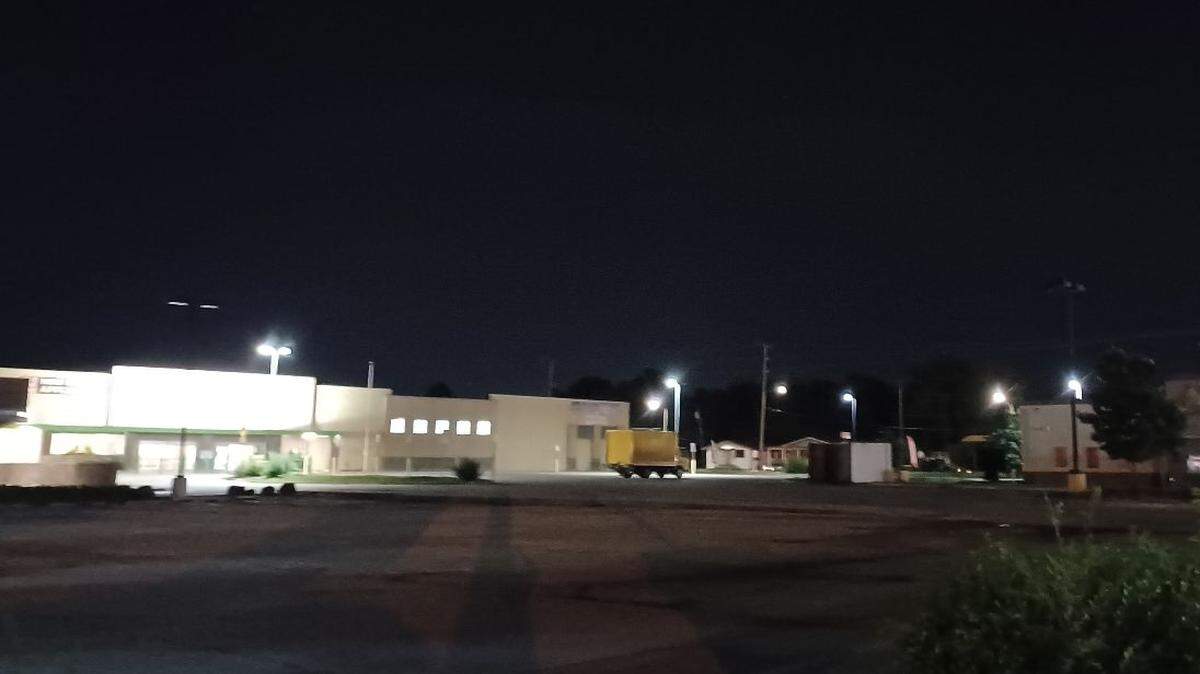
Wichita gave the developers a $2.5 million loan in 2011 to redevelop the Ken-Mar shopping center on the northwest corner of 13th and Oliver. Instead of redeveloping the site, the developers sold the property to Walmart for $2.4 million.
None of that money went back to the city, according to the lawsuit. Walmart opened a neighborhood market in 2012 and closed it in 2016.
H.H. Holding LLC, a Kansas limited liability company created for the sole purpose of developing Ken-Mar that was temporarily dissolved in 2022, is owned by Burk and Summit Holdings LLC. Summit’s principal owners are Key Construction owners David E. Wells and Kenneth A. Wells and Key Construction CEO Richard R. McCafferty, state business filings show.
The city sued H.H. Holding, Burk and Wells, saying they still owed the city more than $1.8 million of the loan it gave them.
The Wichita City Council is expected to vote Tuesday on the $400,000 settlement as part of its consent agenda, a list of routine items that are approved without debate or public comment.
The agenda item is labeled as a settlement agreement and names only H.H. Holding. It does not mention Burk or Wells.
Wells, a partial owner of H.H. Holding through another LLC, told the city in a 2022 email that the business was insolvent with no income or assets, court filings show.
Under the original development agreement, the city was supposed to use tax increment financing, which would capture new property taxes in the area to pay for the incentives. But the city did not issue TIF bonds on the site and instead gave the developers a direct loan of $2.5 million that the city labeled a “TIF Loan” in city documents.
The city said in the lawsuit that Burk and Wells “made oral representations to the City” that they would continue making payments at 3% interest through 2029.
The developers repaid the city $717,000 from 2013 to October 2019 but stopped responding to invoices after that, the city says.
Despite the stop in payments, the City Council continued to approve more public incentives and development agreements with the same developers, including large projects in Riverside and near the city’s new baseball stadium.
The city said in its lawsuit that the developers paid through 2019 to “maintain a standing performance record with the City that would enable their numerous incentive applications for other projects to successfully pass through the City’s vetting process.”
In 2022, Wells informed the city that the developers would no longer pay, according to an email attachment the city included with its lawsuit.
They stopped paying “because they had already secured the desired benefits for their other projects with the City,” the city’s lawsuit says.
Lawyers for Burk, Wells and H.H. Holding did not respond to requests for comment on Friday.
In court filings, the developers largely denied the city’s claims and said the city’s interpretation of the agreement did not “completely and accurately reflect the obligations of the parties to the Development Agreement.” They also said the city failed to hold itself to the original development agreement by not issuing TIF bonds.