
Did mayor violate law with Transgender Day proclamation? Here’s what we know
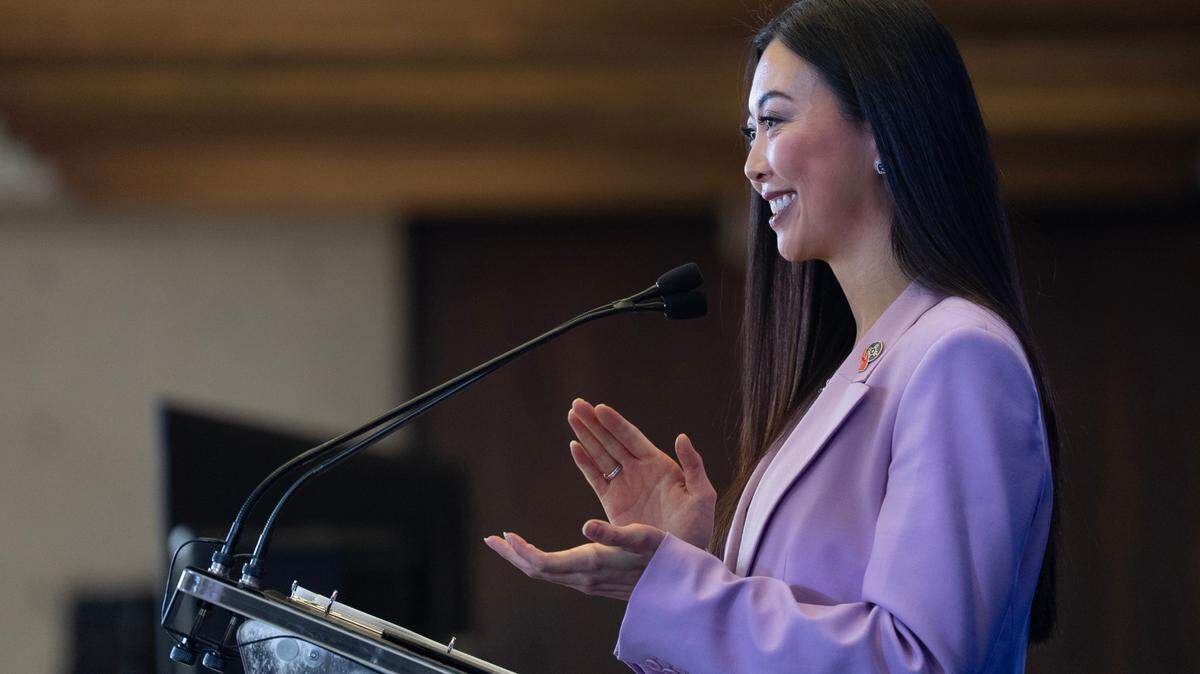
Wichita Mayor Lily Wu’s lack of action on a Transgender Day of Visibility proclamation is prompting questions from her predecessor and others about whether she violated city ordinance.
Wu did not read the proclamation at Tuesday night’s meeting, a duty the mayor traditionally performs while presiding over meetings. Wu did read proclamations at the same meeting for Developmental Disability Awareness Month and Into the Light Day. The mayor’s signature line was missing from the Transgender Day of Visibility proclamation but the other proclamations contained it.
In a Facebook post Wednesday morning, former Mayor Brandon Whipple questioned whether Wu violated city charter ordinances that outline the duties of the mayor. Whipple lost to Wu in 2023.
“I’ve had times as Mayor when I had to remind myself that it’s not about me, but about our community, the city council and my oath to uphold both city and state laws,” Whipple wrote. “This means I had to sign documents I voted against so long as it was the will of the council.
“It’s not just an ethical obligation, it’s also enshrined in our City Charter Ordinance.”
The city’s charter ordinance explains that the mayor has several duties, including presiding over council meetings and signing all resolutions and proclamations.
“The mayor shall preside at all meetings of the city council, shall sign all resolutions, proclamations, minutes, ordinances, contracts, revenue bonds and other official instruments approved by the city council; provided that, such documents and instruments may be signed in the manner provided in Section 2.04.035,” the charter ordinance reads.
The city’s legal department would not answer questions from a Wichita Eagle reporter, and instead directed the reporter to talk to the mayor or city council. Wu could not be reached for comment Wednesday afternoon.
Whipple said Wu did violate the ordinance.
“It’s very black and white,” he told The Eagle in an interview. “I don’t think that there is any guessing or legal theory you need on this.”
Proud of Wichita: The LGBT Chamber of Commerce, which requested the proclamation, also questioned whether Wu violated her duties as mayor.
“We all witnessed an unnecessary, embarrassing dereliction of duty from Mayor Wu last evening,” a statement from the group said Wednesday. “It’s regrettable the Mayor believes she is entitled to ignore city code and precedent, but it doesn’t change the fact that inclusion is smart business.”
In a Facebook post following the council meeting, Mayor Wu said people’s gender or religious choice is “none of my business.”
“If a proclamation came in wishing the exact opposite of this one, I wouldn’t vote for or read it either,” Wu said in the post. “I’m not here to virtue signal and I don’t stand for hate, of any kind.”
Whipple said there’s two ways an elected Wichita official can be held accountable for violating city ordinances: filing a recall petition or filing an ethics complaint through the board he created while mayor.
“There are a few different places in our ethics policy, where it talks about discrimination and also talks about duties,” Whipple said. “(It) explicitly talks about, you can’t discriminate against people in Wichita, and you can’t do so based on religion or political grounds.”
In Kansas, “failure to perform duties prescribed by law” may be grounds for local officials to be recalled and potentially removed from office by voters. Such a move initiated against Wu would require a petition drive with nearly 26,000 signatures by registered voters. A recall puts an elected official back on the ballot for voters to decide whether they should remain in office.
This story was originally published March 19, 2025 at 4:54 PM.
CORRECTION: This story has been updated to reflect that Mayor Wu did not refuse to read the proclamation at the March 18 City Council meeting, rather she yielded the floor to the members who voted in favor of the proclamation. The mayor has said that she did not ask for her signature to be removed from the proclamation about the transgender day and that its omission was the result of a clerical error.