
Kansas disability wait lists see major progress after legislative action
The number of Kansans waiting for disability waivers has decreased substantially after policymakers took steps to address stagnant wait lists during the 2024 legislative session.
Some Kansans with disabilities have had to wait for more than 10 years to obtain a disability waiver, which allows them to receive vital services through Medicaid.
During the 2024 legislative session, lawmakers decided to cap the number of people allowed to be on two wait lists — one for intellectual disability waivers and the other for physical disability waivers.
More than 5,300 people were on the intellectual disability waiver wait list earlier this year, and more than 2,300 people were on the physical disability waiver wait list. As of Oct. 10, the lists have seen a combined decrease of 1,900 people, a study found.
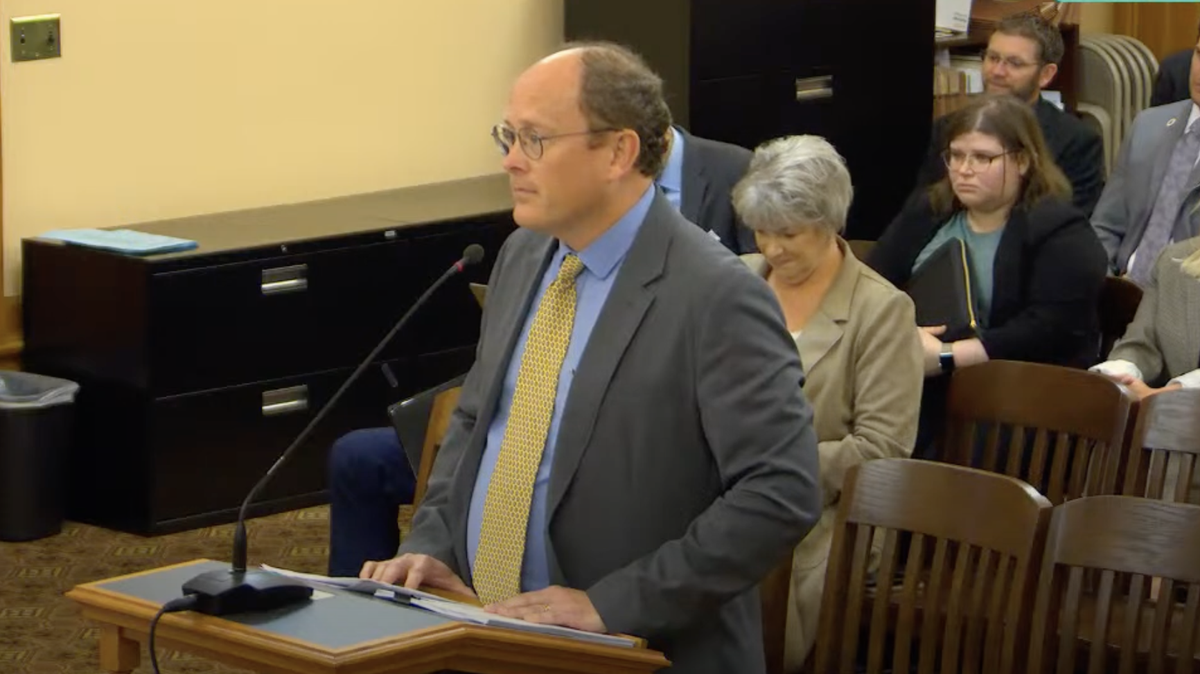
The Kansas Department for Aging and Disability Services contracted with the University of Kansas Center on Disabilities with the goal of informing the department of how to increase their capacity, reduce waiting lists and better assess the needs of people on those waiting lists, said Evan Dean, associate director at the KU center, at a legislative hearing.
The waiting lists for intellectual disabilities waivers has not dropped below 3,000 people in the past decade, according to KDADS documents from January.
Wait list numbers became worse before they became better, according to data Dean presented to legislators. When the study was first approved, approximately 4,500 Kansans were on the waiting list for the intellectual and developmental disability waiver program, and around 2,000 Kansans on the waiting list for the physical disability waiver program.
By January 2024, those numbers increased to 5,240 Kansans on the intellectual disability waiting list and more than 2,200 Kansans on the physical disability waiting list.
Lawmakers overrode a veto from Gov. Laura Kelly in the 2024 session to implement a provision that put a cap on the number of Kansans waiting to access waivers to receive disability services. As a result, the provision forbade the two waiting lists from exceeding 6,800 people — a 4,800-person limit on the intellectual disability waiver wait list and a 2,000-person limit on physical disability wait list — during fiscal year 2025, which began in July.
The Legislature also directed $17.8 million to both waiver programs so a combined 1,000 people could get off of the waiting lists. As of Oct. 10, around 4,500 people are on the intellectual disability waiting list and just more than 1,000 are on the physical disability waiting list.
Dean offered potential solutions to the ongoing woes of people on the waiting lists.
“We’re seeing people get sicker and their health risk increase while they’re on the waiting list, so being sure that there’s some minimal amount of support for people to be able to maintain their health, I think, is something to be considered,” Dean said.
The state needs a process to stay in contact with people on the waiting lists, and those on the waiting list need a minimum amount of personal care services, Dean said. People on waiting lists need more support overall, the study found.
Mike Burgess, the director of policy and outreach at the Disability Rights Center of Kansas, estimates Kansas could eliminate its intellectual and developmental disability, or IDD, waiver wait lists in four years if it continues on its current track
“The goal should be to have an IDD system where waiver services are available to anyone who needs them when they need them. That will not only require enough IDD waiver slots, but it also requires reimagining how we track the IDD waiver waitlist,” Burgess wrote in testimony to the legislative committee that oversees KanCare, as Medicaid is known in Kansas.
The study found that 60% of people on the waitlists are 20 years old or younger, and most of them are covered under Medicaid. Burgess said it is possible that many people put themselves on the waitlist years before they need care because it takes so long, and knowing the number of people who need immediate care could help the state.
Even after the study, Dean admitted much is unknown about those on the waiting lists for both waivers.
“While KDADS can track their basic information (e.g., age, address), there is not a process established to gather information about current needs or anticipated needs,” the study report said.