
After criticism, Wichita officials back away from downtown parking changes they approved
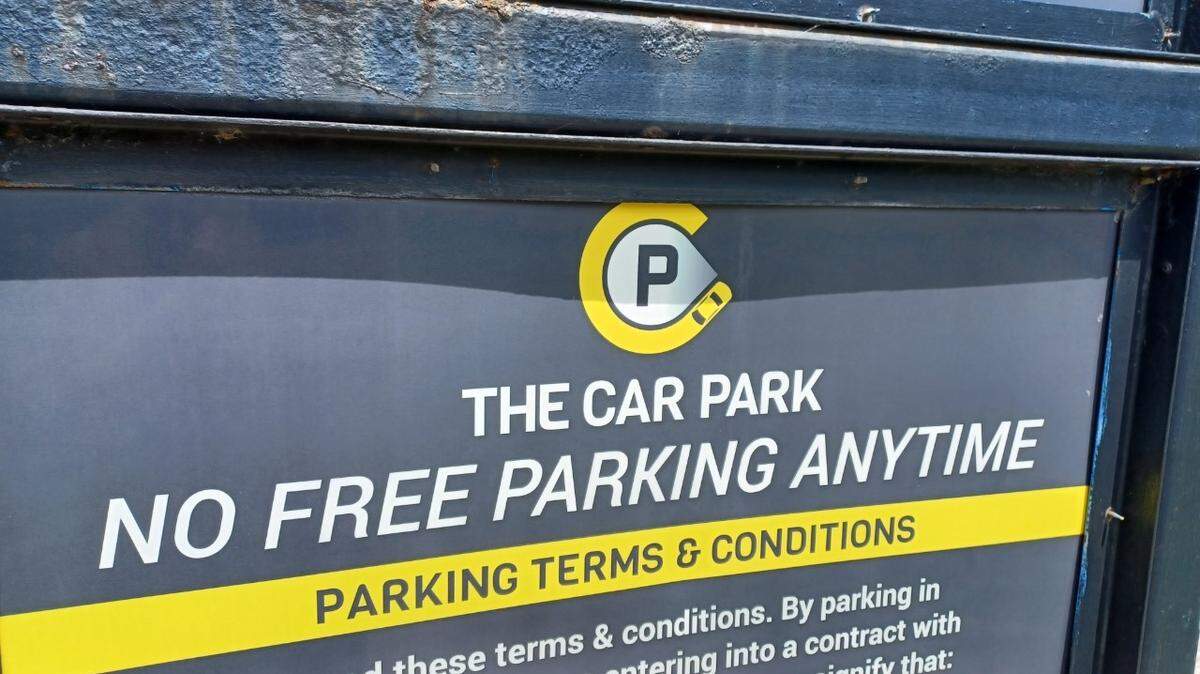
The Wichita City Council has come under intense scrutiny for eliminating free parking downtown after the city shared the news on its Facebook page on Saturday: “Beginning January 1, 2025, all public parking in the downtown area will convert to paid parking.”
Wichitans flooded the city’s Facebook post with more than a thousand angry comments. The anger continued at a series of heated in-person meetings hosted by the city.
A downtown small-business owner started a petition that had more than 5,200 signatures by Tuesday calling on the city to halt the plan and offer free parking areas.
It was a strong rebuke of a plan that received overwhelming support from the city’s elected officials over several years and as recently as June, when they voted 6-1 to hire a private contractor to implement the paid-parking plan.
Council members had approved the changes earlier this year, as part of a plan adopted in 2023. On Jan. 9, they unanimously voted to designate all public parking downtown as metered parking, increase parking fines for any violations and deputize a fleet of private parking enforcers to issue parking tickets using automated license-plate readers.
But some of them appeared to be blindsided by the changes in response to the backlash. The City Council voted unanimously on Tuesday to halt the purchasing of any equipment for the parking plan and to discuss it again in September along with options to change directions.
Earlier in Tuesday’s meeting, Mayor Lily Wu called for a full briefing on the history of the parking plan during a public hearing on the city budget.
Wu then attempted to invalidate the Jan. 9 vote.
She said that she and other council members didn’t understand what they were voting on because the printed agenda packet she received from city staff did not include a charter ordinance change that allowed private parking officers to issue citations.
The parking changes approved Jan. 9 were outlined in two ordinances — Ordinance No. 52-326, which designated all public parking downtown as regulated parking areas where meters would be installed and patrolled by private parking enforcers, and Charter Ordinance No. 239, which authorized independent contractors to be “parking control officers” and issue citations for violations of the new ordinance.
Wu indicated that Ordinance No. 52-326 was included in a list of ordinances up for a second reading in the agenda packet she and the other council members received.
The listing did not mention parking changes and read: “AN ORDINANCE AMENDING SECTIONS 11.04.191, 11.04.210, 11.16.040, 11.52.010, 11.52.020, 11.52.050, 11.52.055, 11.52.090, 11.52.130, 11.52.150, 11.52.160, 11.52.170, 11.52.180, 11.68.010, 11.68.020, 11.68.030, 11.68.090, 11.68.100, 11.68.110, 11.68.111, 11.68.120, 11.68.130, 11.68.140, 11.68.150, 11.68.160, 11.92.040 AND 11.96.050 AND REPEALING SECTION 11.68.040 OF THE CODE OF THE CITY OF WICHITA, KANSAS, PERTAINING TO TRAFFIC.”
A later version of the agenda packet — posted online at 5 p.m. the day before the meeting — did list the charter ordinance, but Wu said she and her colleagues didn’t have time to look at it before the meeting because she was attending her own swearing-in ceremony. It did not mention the parking changes either and instead listed the change as “A CHARTER ORDINANCE AMENDING CHARTER ORDINANCE 237 PERTAINING TO MUNICIPAL COURT PROCEDURES BY CREATION OF A SUBSTITUTE PROVISION.”
“So I believe that this is an error in us actually never voting on it,” Wu said. “If we were only going according to the printed packet . . . and two council members and myself were going over just printed material, I would say that we have a procedural error in that we did not know that we were voting on a parking second reading.”
But City Attorney Jennifer Magana said the charter ordinance in question “was lawfully adopted on January 9” and would require a new agenda item with a 5-out-of-7 majority to overturn.
Council member Dalton Glasscock said he would support such a move while other council members indicated they want to stay the course.
“I received the agenda packet,” Glasscock said. “I voted based on the agenda packet that was printed and received to me. And so for the sake of accountability, for the sake of standing by our votes up here, I would be interested in a vote to bring this back before this body, given public discussion.”
Wu and Glasscock had blamed “the previous council” for the parking changes in Facebook posts in the immediate aftermath of the city’s announcement.
The previous council held a public hearing on the ordinances and voted Jan. 2 to place them on a second reading for final approval on Jan. 9. Second readings are typically buried in the consent agenda section of the agenda packet, where routine items are approved in bulk without debate or public comment.
Wu, Glasscock and the rest of the council unanimously approved the ordinances on second reading January 9.
Wu later signed the ordinance changes as one of her first official acts as mayor. Then, in June, she voted for a $12 million contract with The Car Park to install parking meters and act as the city’s private parking enforcement officers (Glasscock was the lone dissenting vote).
On Tuesday, Wu said she wants to vote again.
“I believe it’s prudent for us to either halt this plan, as no equipment has been bought, and have another vote regarding this specific item,” Wu said.
Assistant City Manager Troy Anderson said Tuesday that the contract could be terminated without cause but it would require a 180-day notice to The Car Park. “And basically we just have to pay them whatever . . . the monthly reimbursements are, that are owed over that 180 days,” Anderson said.
That contract went into effect in July. It’s unclear how much the city would have to pay to get out of the contract.
Other council members, as well as Anderson, said undoing the changes would unravel a plan that has been taking shape since 2009.
Anderson said Wichita city staff spent years — more than a decade — developing the plan that ultimately called for privatizing parking-ticket enforcement and eliminating free parking downtown.
They secured a federal grant to study the issue, using parking and transit funds to subsidize the study. They hired an out-of-state consultant to outsource community engagement and the study itself. They held committee meetings. They met with stakeholders. They gathered parking data six years ago. They presented to district advisory boards, posted an online survey and held open house meetings. The pandemic hit. They rehired the consultant to hold more meetings with some of the same small groups that favored the proposed changes.
They did not update their data. But they brought a master plan to the City Council for approval, one that teased the idea of outsourcing parking enforcement, buying license-plate readers and installing parking meters in the highest traffic areas downtown to encourage turnover.
The plan says it will allow the city to better control and maintain its parking infrastructure, cut off any property-tax funding for the city’s parking and transit funds, and clear a path for the city to sell-off underused parking lots and garages to developers.
As with most planning documents, it received almost no pushback when it was approved in March 2023. It would require several changes to city ordinances to have any real effect.
Those changes came up for discussion on Jan. 2, the last meeting for outgoing Mayor Brandon Whipple and council members Jeff Blubaugh and Bryan Frye. The council voted 5-2 to place the ordinance changes on a second reading at the next council meeting, with Blubaugh and Mike Hoheisel voting against it. The current council voted unanimously to approve the changes Jan. 9.
Council members Brandon Johnson and Becky Tuttle pushed back on Wu and Glasscock for “moving the goal posts” on contracts it signs with companies.
“Here we are again, considering breaking a contract with somebody who has made an investment, made a commitment. We’ve signed it, they signed it,” Johnson said. “And if the details of said agreement aren’t maybe the best, that’s work that we should have did on the front end before making an agreement.”
The contract does not require all of downtown Wichita to be paid parking. But the more paid spaces downtown, the more likely the city is to generate enough money to pay The Car Park to install the meters and patrol downtown.
“There seems to be a new pattern of breaking — of changing things, moving the goal posts, and I don’t think that’s what our community wants us to do,” Tuttle said. “I also understand that change is hard. I get that this is a shift in our community, but our community is changing and growing, and this is a response to that.”
Tuttle also defended the city’s process that led to the changes to downtown parking.
“We had a plan with robust community engagement over many years,” Tuttle said. “(We) voted for the plan and then selected the vendor. And now we’re in this kind of precarious position where we’re thinking about changing or moving the goal posts again, but we don’t have a plan for what we’re going to do, and we’re probably going to end up pretty much in a similar situation.”
City Council member Maggie Ballard defended the parking changes and suggested Wu and Glasscock were too focused at the Jan. 9 meeting on changing campaign finance law to allow corporate and PAC donations to candidates.
“It seemed to be at the first meeting one of the main priorities was undoing campaign finance, and potentially this was overlooked,” Ballard said. “And it is, you know, frustrating sometimes when things are added to our agendas at the last minute. But I also know we’re a big city, and things change.”
This story was originally published August 13, 2024 at 7:44 PM.