
Residents in polluted area told to seek cancer screening but not how to pay for treatment
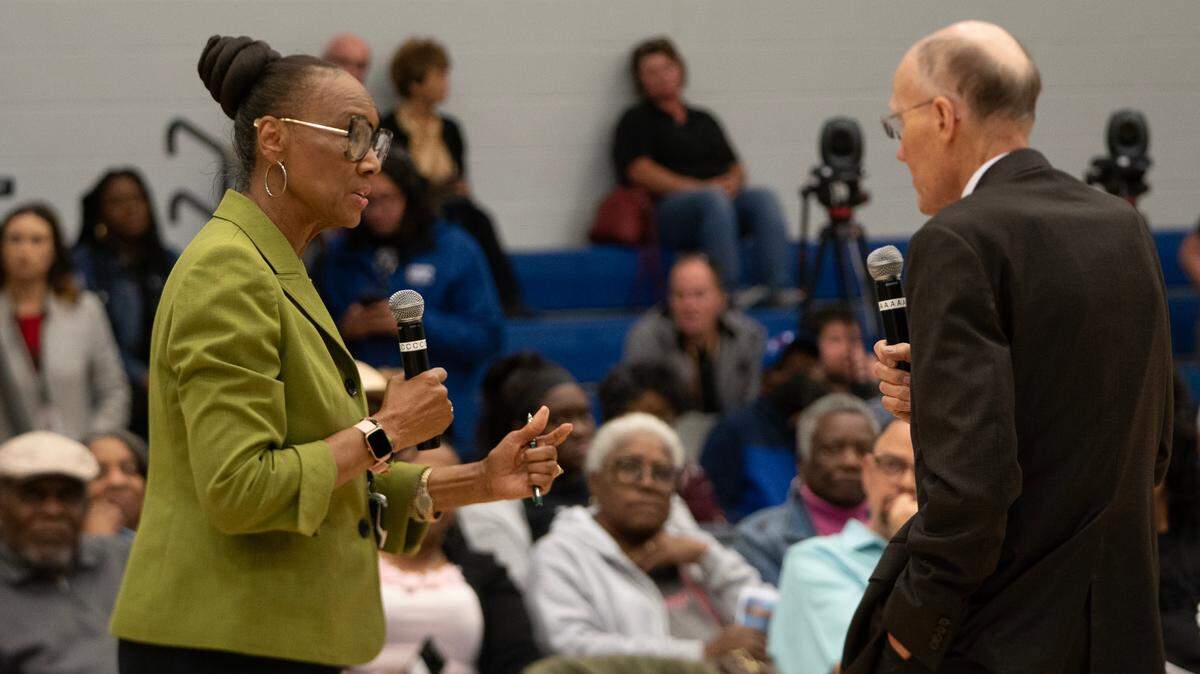
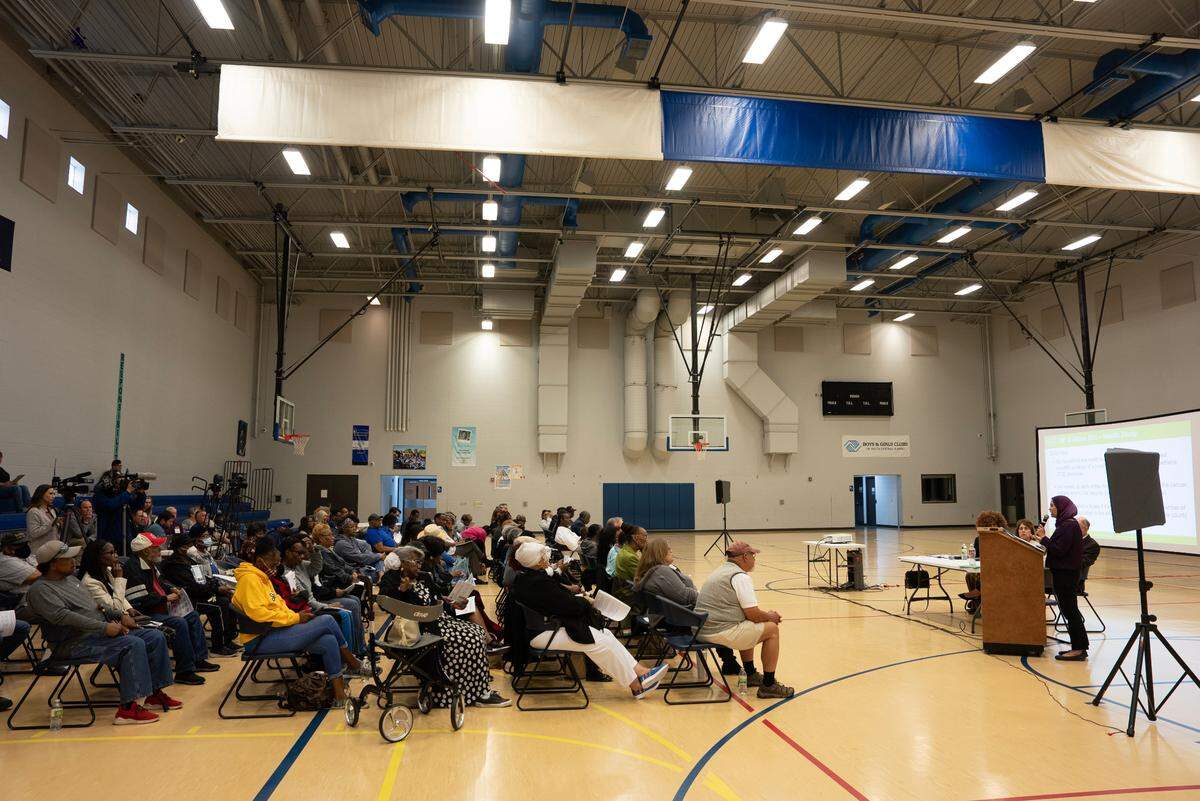
State and local officials urged people who live in the 29th and Grove groundwater contamination site in northeast Wichita to talk to their doctors about getting screened for liver cancer. But at a community meeting Friday night, officials couldn’t say who would pay to cover medical costs if anyone is diagnosed with cancer.
A Kansas Department of Health and Environment study earlier this month found elevated rates of liver cancer diagnoses in the affected area, including rates for Black residents that are more than twice the state average.
“I’m listening to ‘Get with your provider,’ and a lot of people in the neighborhood, the area in question — it’s not that simple for everybody,” said Warren Pyles, who has lived there his whole life.
“Since we’re telling everybody to go see their providers, and we’re happy to see them, are you going to give us the ability financially to treat them?” GraceMed Health Clinic CEO Venus Lee asked.
Low-barrier health centers and community clinics including GraceMed provide consultation for patients regardless of their ability to pay.
Attendees suggested that KDHE, Sedgwick County, the city of Wichita or Union Pacific, whose rail yard was the site of the chemical spill, should step in to cover costs associated with any necessary treatment. No entity has committed any money for treatment costs, and although residents are being told to talk to their doctors, there is no systematic plan in place for screening.
“Access to knowledge without access [to care] is dangerous and destructive,” community activist Joseph Shepard said. “So it’s one thing to be passing out pamphlets and information. It’s another thing to say, ‘Here’s how we’re going to make it happen.’”
Area contaminated with TCE
The 2.9-mile-long plume of groundwater polluted with trichloroethene (TCE) runs under several of Wichita’s historically Black neighborhood.
For all residents in the nearly 2,800 affected addresses, the health study found a liver and biliary tree cancer diagnosis rate of 15.7 per 100,000 people compared with 6.4 and 8.0 diagnoses per 100,000 people in Kansas and Sedgwick County, respectively.
“You cannot link TCE to any of this because there’s too many other factors involved,” Sedgwick County Health Department Director Adrienne Byrne told The Eagle.
“We definitely know the social determinants of health affect people. There’s so many different factors that tie in. I think of lifestyle — just like with anybody. There are some areas that have less access to medical care, lower income, diet — fast food, that’s cheaper. Vegetables are more expensive.”
State officials, too, cautioned against drawing inferences about TCE based on the health study findings.
“What it’s really important to understand is what we didn’t do [in the study], which is, we didn’t look at each individual’s exposure,” State Epidemiologist and Environmental Health Officer Dr. Farah Ahmed said.
TCE, a common solvent used to clean off paint and remove grease, can cause cancer in humans — “especially kidney cancer and possibly liver cancer and non-Hodgkin lymphoma,” according to the Environmental Protection Agency.
Two thirds of the 66 water quality tests conducted in May 2021 found samples of more than the acceptable 5 parts per billion of TCE, including some of up to 64 times the EPA’s threshold.
TCE exposure occurs when a person breathes, ingests or touches the chemical. Experts think the chemical spill occurred in either the 1970s or ‘80s.
“Most people are exposed by drinking contaminated water, right?” Ahmed said. “Thankfully, for the vast majority of the residences in the area, that wasn’t the case because they were on city water before we think that the spill occurred.
“A lot of what we know about how these chemicals can affect somebody’s health comes from studies of people who have been exposed to really high levels, usually through their work. What we know about people who are exposed to lower levels — that’s a lot more limited.”
‘For that many people to die of cancer’
Marie Florence said the house that she lives in has been in her husband’s family for generations and was only recently connected to city water.
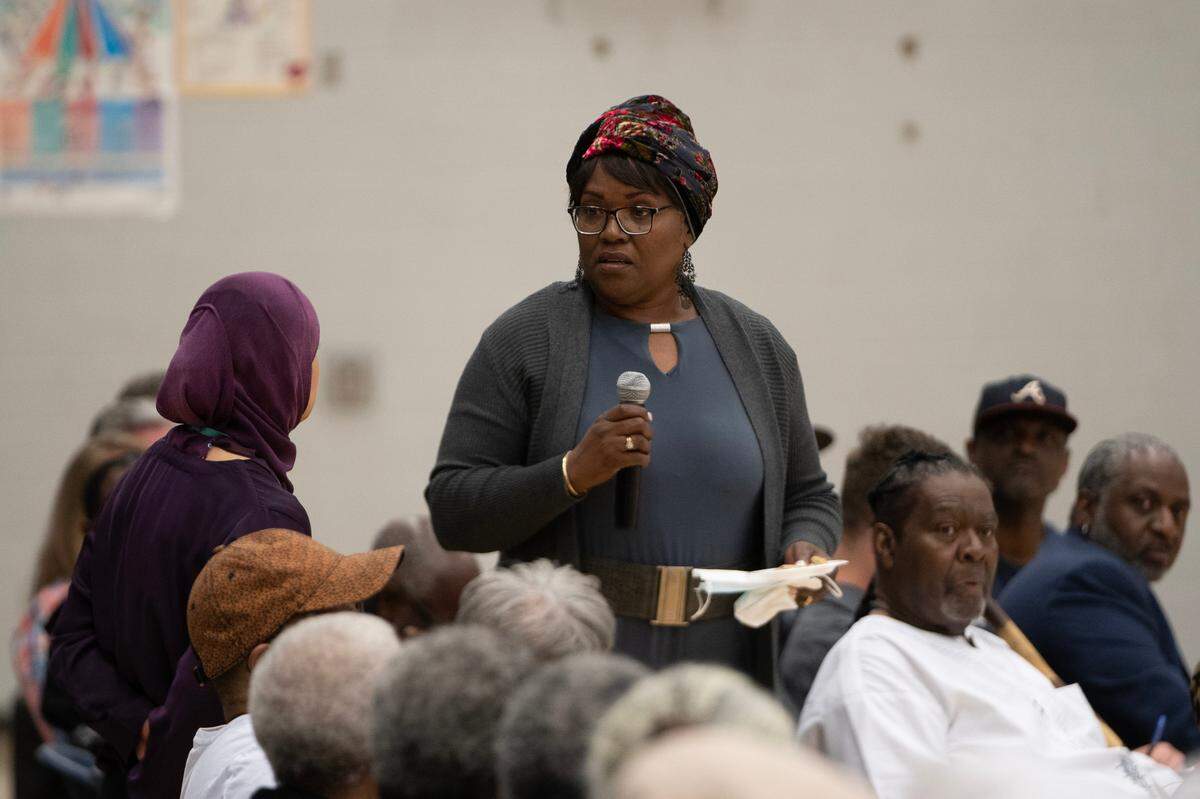
“I have a sister in law that passed from pancreatic cancer. My husband had prostate cancer. My mother-in-law had bladder cancer. My father-in-law passed from prostate cancer. Two other sisters who died of cancer,” Florence said.
“For one family, for that many people to die of cancer — not including the birth defects and the miscarriages that they had throughout the family that lived in that house.”
The health study tested for a number of other cancers, including kidney cancer, renal pelvis cancer, urinary bladder cancer, myeloma and lymphomas, but did not find any other elevated rates. It did find a higher-than-average rate of infants born with low birth weights.
Union Pacific to hold another meeting in June
Another community meeting is expected to be held in June, when Union Pacific will update residents on ongoing remediation efforts. The railroad has agreed to pay just under $14 million for the cleanup, which began in 2004.
“We came here to hear the experts,” Union Pacific spokesperson Robynn Tysver said after the meeting.
“Union Pacific has been the only ones that have been aggressively trying to do anything about this situation,” said Aujanae Bennett, president of the Northeast Millair Neighborhood Association.
She said the city, county, state and railroad have a responsibility to pay for treatment associated with liver cancer diagnoses in the affected area.
“I need to be certain that we don’t avoid the testing simply because we don’t have the financial means to get that done,” said state Rep. Ford Carr, who grew up in the area.
“This community has always been at the bottom of the list and nobody cares.”
This story was originally published May 20, 2023 at 1:10 AM.