
Wichita mayor free to block people on Facebook, ethics board decides in first case
Wichita’s elected officials are free to block members of the public from their personal and campaign social media pages without fear of violating city policy, the city’s ethics advisory board has decided.
The Wichita Ethics Advisory Board — created in May 2021 — issued its first decision Thursday evening, two days after the City Council approved changes that allowed the board to issue findings after being practically dormant for 22 months.
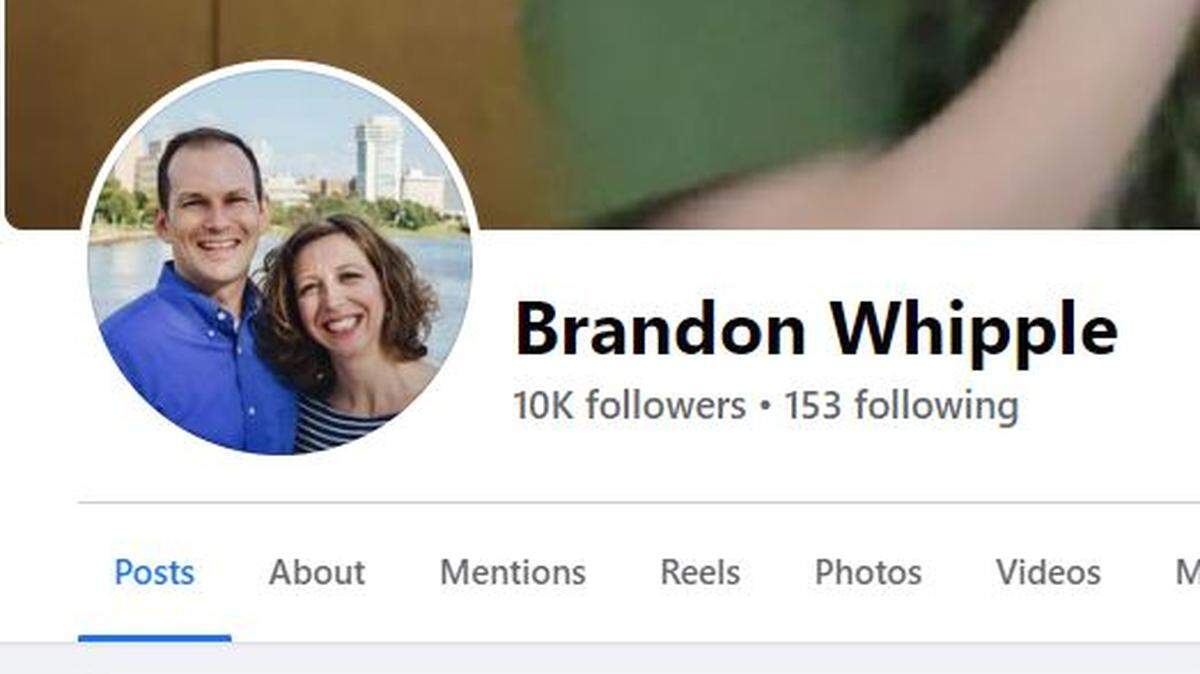
The board’s first decision stemmed from a December 20, 2022 complaint filed by Wichita resident Bill Stout against Mayor Brandon Whipple. Stout claimed Whipple violated the city’s ethics policy by blocking him and others from the mayor’s campaign and personal Facebook pages around October 2022, citing case law that actually affirmed a government official’s right to block someone from his personal page.
Whipple argued that his Facebook pages — a personal page and a campaign page — are not official government public forums because they were not created or controlled by the city.
“Upon review of the parties’ arguments and the relevant caselaw, the Ethics Advisory Board (“EAB”) finds Policy 39 was not violated by the Mayor if he blocked citizens from his personal Facebook pages,” the board’s unanimous written decision says.
Neither Whipple nor Stout attended the ethics board meeting Thursday night, and the complaint did not become public until after board members deliberated for 50 minutes in a closed-door session.
Stout, who regularly speaks at City Council meetings both in-person and online, told The Eagle that he is waiting to receive the report from the board to comment on the findings. He has seven days to appeal.
Whipple, in a phone interview, said he was not surprised by the ruling. He said Stout will continue to be welcome at City Hall and on the city’s online platforms.
“I don’t know if this helps, but there are folks who believe that because I’m elected they should have access to my private space or my personal campaign space,” Whipple said.
Whipple said he was surprised the ethics board even heard the case, as complaints about social media were not what he had in mind when he pushed for an ethics policy and a board to enforce the rules.
“Someone who’s overly aggressive on social media and winds up getting blocked, and then files an ethics complaint, we didn’t set up this policy for those types of situations,” Whipple said. “We set this policy up as a check and balance against unethical to unlawful behavior that we all worry about when we think about responsible government.”
“What we’re trying to avoid is city contracts going to people who had undue influence with elected officials,” he said. “We’re trying to avoid people taking advantage of their positions or being taken advantage of by others because of their position. So I think as these types of decisions start to roll out, the gotcha politics you’re seeing will become less and more of the actual major issues can be looked into, the type of stuff that leads to corruption in government.”