How will Kansas spend $1.6B in COVID aid? Charities, sheriffs, theaters make their pitch
Help for the homeless. Grants for movie theaters. Hydroelectricity.
As Kansas prepares to allocate $1.6 billion in federal COVID-19 aid, business groups, non-profit organizations and civic advocates from across the state are pushing a sweeping range of proposals for spending it. They are all angling for a piece of the one-time funding that could prove transformational for a host of programs and initiatives.
The money holds the potential to ultimately touch residents in all corners of the state through dollars for affordable housing, business start-ups, new and improved public buildings, better access to higher education and faster broadband internet.
How this funding is spent largely rests with a panel of state, civic and business leaders who have been touring the state, listening to local CEOs, non-profit executives and residents make their case for their particular project.
Known as SPARK (Strengthening People and Revitalizing Kansas), the committee will produce recommendations that will go to the State Finance Council, a body made up of Gov. Laura Kelly and legislative leaders, for final approval.
On Monday, SPARK arrived at Kansas City Kansas Community College to hear proposals from the region. The college’s president, Greg Mosier, made his own pitch, asking for $30 million to help build a $70 million health and wellness center in Kansas City, Kansas, aimed at eliminating socioeconomic disparities between eastern and western Wyandotte County.
“We really have the tale of two cities, or you can say counties, in Wyandotte County,” Mosier said, describing a prosperous western half and an eastern half that has “really gone into great despair over the last 30 years.”
Kansas’ state government is receiving $1.6 billion under the American Rescue Plan Act, which Congress passed and President Joe Biden signed into law in March. In total, the law is expected to provide Kansas with $4.9 billion, with $1.2 billion going toward education, nearly $1 billion to local governments and the rest split among social services, housing and health care.
WaterOne, the Johnson County public water utility, wants $12 million to replace two aging transmission mains. Darci Meese, WaterOne’s manager of legal services and government relations, acknowledged the project isn’t glamorous but is nevertheless important.
The utility is also considering a one megawatt hydropower plant on the Kansas River, a roughly $8 million project. Another nearby facility owned by the utility could run “pretty much completely off the grid most of the time” using the plant’s power, Meese said.
Dred Scott, representing an alliance of Boys & Girls Clubs in Kansas, didn’t name a specific dollar amount publicly, but asked SPARK to help with staff wages and training workers in providing trauma-informed care. He noted that Boys & Girls Clubs were one of the few groups serving children in person during the height of the pandemic, even when schools were closed or remote.
Kimberly Weaver, a Wyandotte County resident, said housing should be the number one priority for the federal funds. She noted the county doesn’t have a homeless shelter and voiced fears that an increasing number of people will end up homeless in the weeks and months ahead amid rising housing costs and the end of eviction moratoriums.
“Our focus needs to be on ensuring that people don’t lose their homes in the first place. Rent, utility and property tax assistance need to be more widely available,” Weaver said.
Bobbie Bagby Ford, an executive at B&B Theatres, a family-owned movie theater chain with locations in Kansas and 12 other states, asked for a grant program for theaters in Kansas that could provide support until 2024. By then, she said, analysts anticipate the industry will be back to full health.
The family-owned company is operating at about 70% of its 2019 revenue, Bagby Ford said, calling the situation devastating. She warned that movie theaters are expensive to build and maintain and smaller communities have only a small chance of getting a new theater if the current one closes, she said.
“B&B Theatres operates in many smaller communities across Kansas and in many instances, it is the only form of out-of-home entertainment. It’s an opportunity to see the rest of the world,” Bagby Ford said. “And we’ve been disproportionately hurt.”
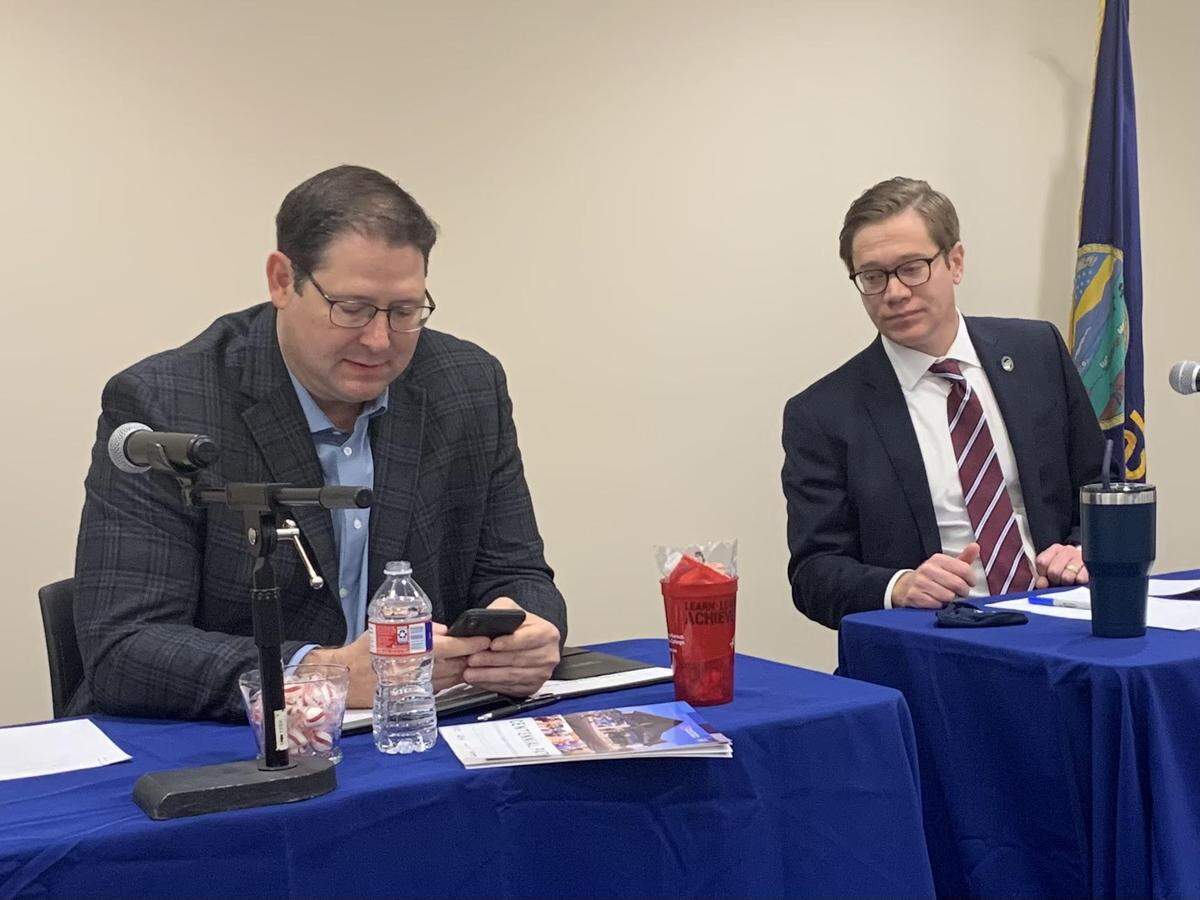
SPARK didn’t act after hearing public comments Monday. Lt. Gov. David Toland, who chairs SPARK, said he expects decisions will be made before the end of the year on “immediate needs” with other requests going through a more complete process. The entire $1.6 billion will be approved in three chunks, with up to $500 million spoken for by the end of 2021 and the full amount allocated by late summer 2022.
Toland didn’t have an estimate of the total value of the funding requests made so far, but said the overall figure “far exceeds” the aid available. That will likely mean potentially excruciating decisions by the committee — and later, the State Finance Council — over what gets funded and what doesn’t.
Toland, a Democrat, named growing the tax base and providing long-term benefits as elements in how he will judge proposed projects. By way of example, the 44-year-old said a swimming pool he went to growing up was a Depression-era Works Progress Administration project.
“We have an opportunity here to make investments that can pay dividends for the state and its people for the next three or four generations,” Toland said.
Senate President Ty Masterson, an Andover Republican and a SPARK member, indicated he would emphasize how the funds are one-time money. He called for infrastructure-based projects, such as improvements to facilities.
“We can’t set Kansas up to fail when the federal money runs out,” Masterson said.
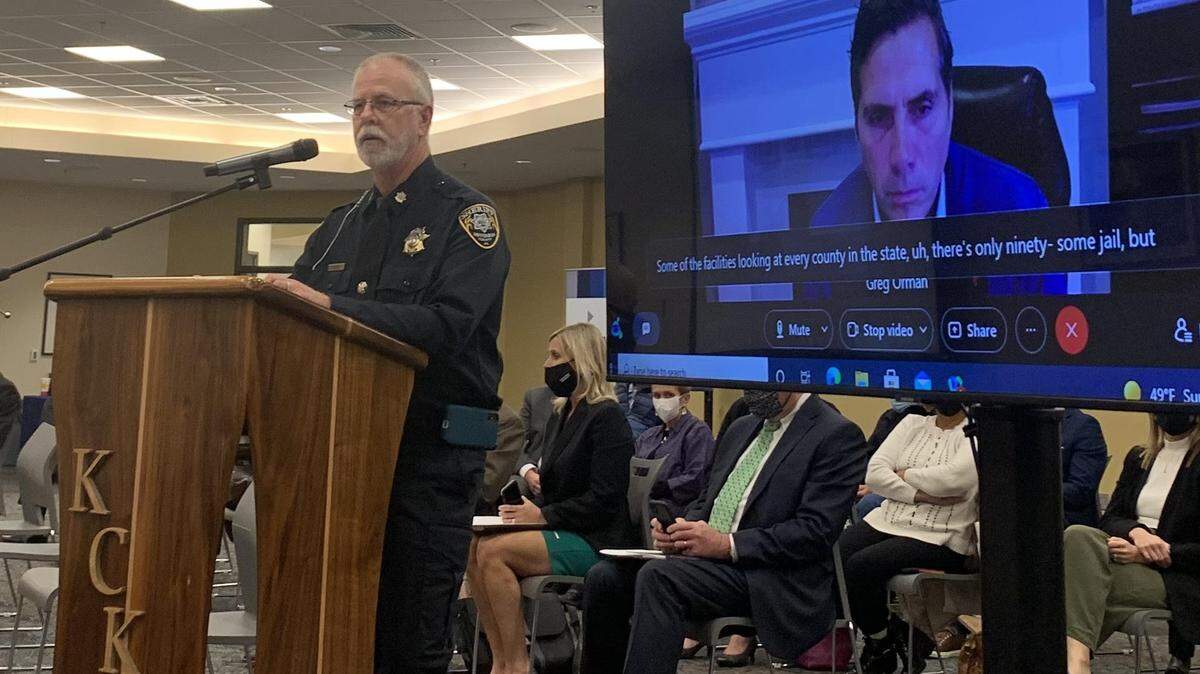
Jefferson County Sheriff Jeff Herring, who is asking for help paying for a $3 million project to add quarantine and mental health beds at his county jail, nodded to difficult choices facing SPARK as he made his presentation.
“You folks have a tough job ahead of you,” Herring said.
This story was originally published November 15, 2021 at 2:54 PM with the headline "How will Kansas spend $1.6B in COVID aid? Charities, sheriffs, theaters make their pitch."