New CDC eviction ban should cover renters in Sedgwick County and most of Kansas
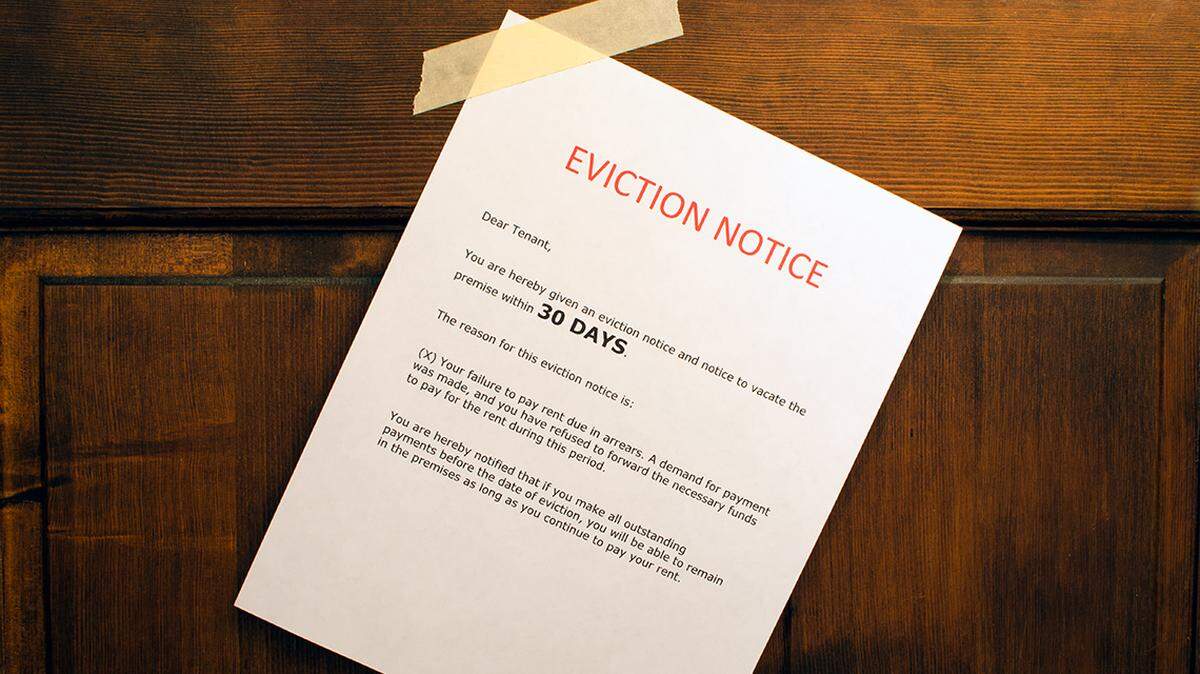
Most Sedgwick County and Kansas renters should be covered under a new eviction ban issued by the Centers for Disease Control and Prevention on Tuesday.
The new temporary moratorium is slated to cover tenants until Oct. 3. It replaces a prior national ban from the same agency that expired on Saturday.
The new eviction ban is more narrow in scope. Rather than covering the entire country, it encompasses only counties with “heightened levels” of COVID-19 spread — defined as “substantial” or “high” transmission levels.
Sedgwick County is experiencing a “high” level of COVID-19 transmission as of the time period through Monday, according to a map of community spread from the CDC. The rolling 14-day average of the positive percentage of tests was 8.1% as of Tuesday, according to Sedgwick County COVID-19 data, also falling within the CDC’s threshold for eviction protection. (The rolling 14-day average can be revised.)
Most counties in Kansas are experiencing “high” levels of COVID-19 transmission and would fall under the new CDC protection, according to the agency’s map.
Only 11 Kansas counties are seeing “low” or “moderate” transmission and would remain unaffected by the eviction ban as of Wednesday: Decatur, Jewell, Sheridan, Graham, Osborne, Gove, Ellsworth, Greeley, Hamilton, Edwards and Elk counties.
Each county’s updated transmission level can be found here.
In step with the previous eviction moratorium, the new order only covers residents who show their landlord that they have used their best efforts to obtain emergency rental aid from the government. It also covers only tenants who either made no more than $99,000 in 2020 or expect to make no more than $99,000 in 2021.
The new eviction ban comes as the delta variant of coronavirus continues to increase cases across the country. President Joe Biden had signaled that the prior extension of the ban until the end of July would be the last extension, but he received pressure from congressional Democrats and housing advocates to do more to prevent evictions during the pandemic.
Eviction bans issued by the CDC have faced legal challenges and criticism.
Biden’s administration previously said it did not have the authority to again extend a national moratorium on evictions after a Supreme Court opinion by Justice Brett Kavanaugh in June said any further extensions would need approval from Congress.
Biden acknowledged the new moratorium is also likely to face continued legal challenges. Bans on evictions have been allowed to expire and then be reinstated throughout the coronavirus pandemic since spring 2020.
The CDC’s new ban is the only moratorium covering Kansas renters, after top state lawmakers allowed a statewide eviction and foreclosure ban to expire in late May.
Past extensions of the moratorium were intended to allow states and cities more time to distribute the millions in federal COVID-19 relief funds earmarked for emergency rental assistance.
In Wichita and across the country, governments have been slow to get that rental relief into the hands of landlords. The Wichita Emergency Rental Assistance Program, called WERAP, had only distributed about $1 million in aid two months after launching.
Last month, however, WERAP picked up the pace: it approved more than $3 million in funds in July alone.
This story was originally published August 4, 2021 at 12:22 PM.