Drug offenses can cut you off from food stamps in Kansas. Biden wants to end that.
If you live in Kansas, you could serve a 25-year prison sentence for murder and be eligible for food stamps when you get out.
Two felony convictions for marijuana possession? That’s a lifetime ban from food assistance.
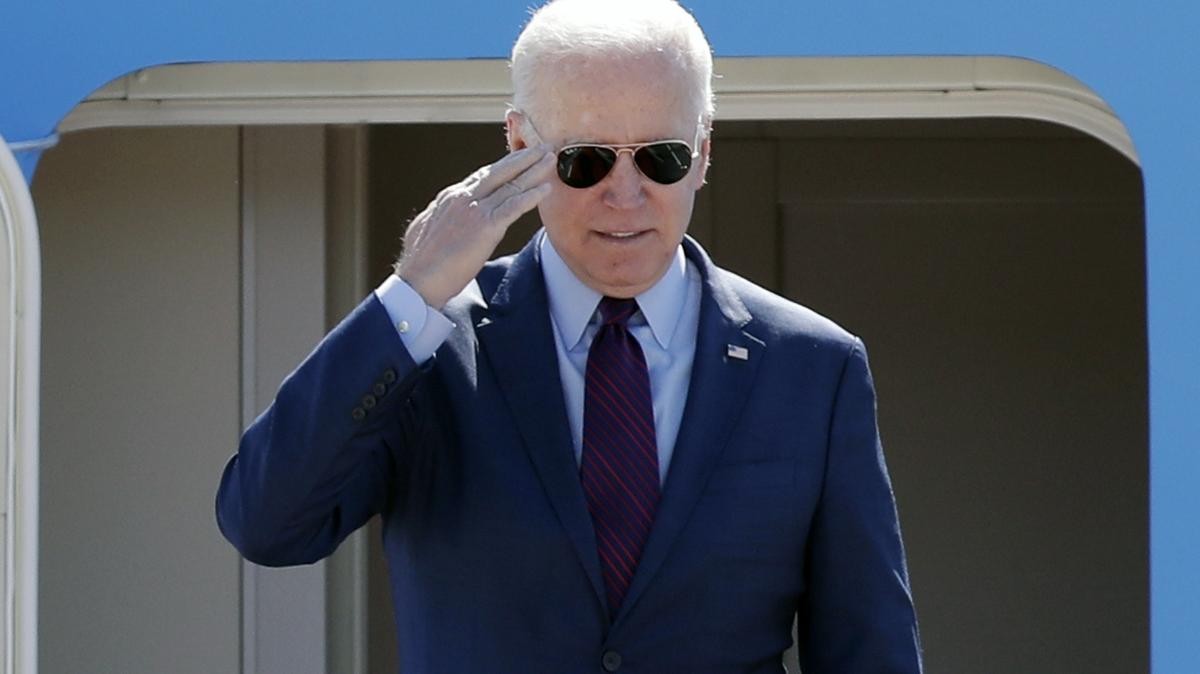
President Joe Biden has proposed ending a federal policy that enabled states, such as Kansas, to restrict people with drug convictions from accessing food programs. A provision in the administration’s American Families Plan would end the prohibition for the Supplemental Nutrition Assistance Program (SNAP), the food stamps program’s formal name, effectively overturning state-level restrictions for food assistance.
Activists who work on food insecurity issues say the change is long overdue.
“Do we really consider a drug felony to be the worst of all crimes? A crime that one should be punished for for the rest of their lives, even after they’ve served out their sentence?” said Karen Siebert, a public policy adviser for Harvesters, a food bank network which works with food insecure people on both sides of the Kansas City metro.
The prohibition stems from the 1996 welfare reform law signed by President Bill Clinton that banned drug offenders from SNAP and Temporary Assistance for Needy Families (TANF), welfare’s legal name.
Enacted at the height of the War on Drugs, it allowed states to opt in or out of the ban or enact their own restrictions.
Twenty-five years later, only one state, South Carolina, still enforces a permanent food assistance ban for first-time offenders. But 23 states, including Kansas, enforce modified versions of the policy, with Kansas’ law among the strictest in the nation.
Kansas bans people for life from SNAP after a second drug felony conviction, but allows those with one conviction access to SNAP if they undergo substance abuse treatment and drug testing.
The restrictions apply only to drug offenses.
“I think it’s also important to understand that a person can have a felony drug conviction for possessing marijuana, which is now legal in many states,” Siebert said in an email. “The inequities from state to state are confusing and significant. For example, if an ex-drug felon from Oklahoma (which doesn’t have the lifetime ban) moves to Kansas, he or she could potentially lose his or her SNAP benefits.”
The Kansas rule was adopted in 2015 as part of the HOPE Act, a broader initiative by then-Gov. Sam Brownback to overhaul the state’s welfare and food assistance programs. It came with an array of new restrictions and requirements to spur beneficiaries to find jobs.
Advocacy groups say the rule is counterproductive. It doesn’t meaningfully deter drug use and increases recidivism by putting up roadblocks to anti-poverty programs for people who struggle to find work after they’ve served their sentence, they argue.
“People with a criminal record already have trouble finding employment,” said Grant Smith, deputy director with the Drug Policy Alliance, one of the main organizations that has pushed for repeal of the federal policy.
“Food insecurity is a major impediment to successful reentry and not having those basic forms of support through TANF and SNAP can really hinder someone.”
Smith said that the policy affects people who would otherwise qualify for the programs, meaning they already fall below the poverty line.
The HOPE Act and SNAP
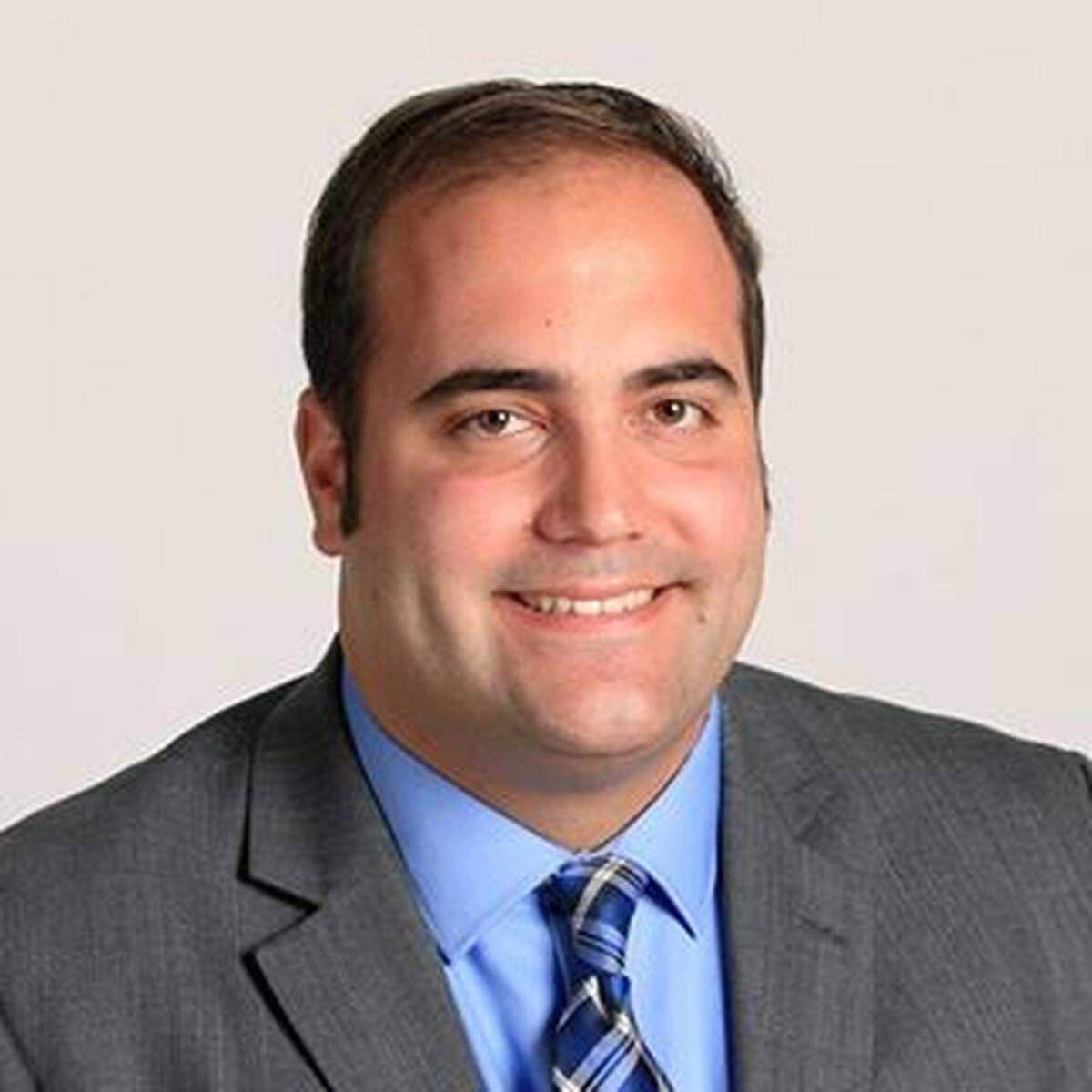
Kansas Republican Rep. Jake LaTurner, a member of the state Senate when the HOPE Act was passed in 2015, defended Kansas’ restriction.
“Hardworking Kansans want to give a helping hand to those that need it AND discourage drug use. That’s exactly what the HOPE Act does in a compassionate and balanced way,” LaTurner said in a statement. “The law provides drug treatment after a first offense to the violating individual, and even after a second offense, it still ensures the benefits get to innocent children.”
SNAP usage in Kansas has declined steeply since implementation of the HOPE Act, which also included work requirements and other restrictions.
Kansas had a monthly average of 123,567 SNAP cases in fiscal 2015, the last before the bill’s took effect, compared to the current 97,239 cases, according to the Kansas Department Department for Children and Families.
However, research has raised questions about of the effectiveness of state-level restrictions in deterring drug use.
A 2017 study by Harvard Law School professor Crystal Yang found that access to food stamps and welfare at the time of release made offenders 10 % less likely to return to prison in one year. Drug offenders with full eligibility for food stamps were 2.2 percentage points less likely than non-drug offenders to return to prison.
Rates of poverty among drug offenders in states without a ban were nearly half that of those in states with a ban, according to a 2020 study by Amanda Sheely, a professor at the London School of Economics.
The Heritage Foundation raised concerns about restrictions for drug offenders, saying in a 2017 paper that “depriving broad swathes of ex-offenders of the ability to get assistance for themselves and their families… is hardly conducive to helping them become productive citizens.”
Demonizing the poor
A spokeswoman for Kansas Republican Sen. Roger Marshall, who sits on the Senate Agriculture Committee, which has oversight of the SNAP program, declined to comment on the potential change to the program.
It’s unclear at this point whether Kansas would have to pass new legislation to ensure compliance if the federal rule was changed. But Ashley Burnside, a policy analyst for the Center of Law and Social Policy, said a revision at the federal level would supersede any state restrictions.
Legislation to repeal the Kansas ban failed to get a hearing in Topeka during this year’s legislative session.
Haley Kottler, a campaign director for Kansas Appleseed for Law and Justice, the group advocating for the bill to lift the Kansas ban, tied the restriction to a broader trend of demonizing people who rely on assistance programs.
“What we know is SNAP is the best way to pull people out of poverty in the United States… It allows flexibility for families to put food on the table, so when we vilify families it’s a big problem,” Kottler said.
This story was originally published May 19, 2021 at 2:58 PM with the headline "Drug offenses can cut you off from food stamps in Kansas. Biden wants to end that.."