
Wichita City Council approves city-owned land bank to handle ‘challenging properties’
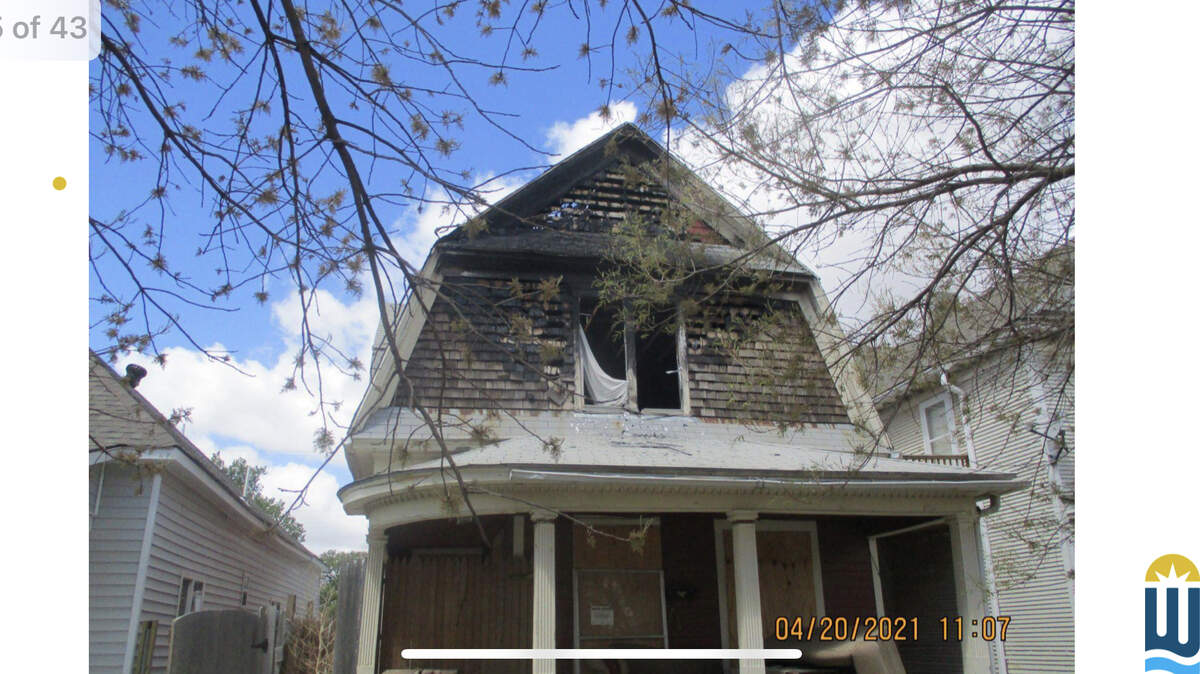
The Wichita City Council has unanimously approved the creation of a city-funded and -operated land bank that will be overseen by trustees each council member appoints.
The concept of a land bank is to acquire distressed houses and get them into the hands of local nonprofit groups that can repair or replace them, such as Habitat for Humanity or Mennonite Housing.
Money could also be used to acquire abandoned commercial properties and help develop, for example, neighborhood grocery stores to address Wichita’s “food desert” problem, where low-income residents have to travel long distances by bus to get fresh meat and produce, Assistant City Manager Scot Rigby has previously said.
The Wichita Land Bank will target the central area of the city — bounded by 29th Street North, Rock Road, 31st Street South and Ridge Road.
Scott Wadle, director of the Metropolitan Area Planning Department, called the land bank a “tool to deal with challenging properties.”
“The community has indicated a desire to see reinvestment in our neighborhoods,” Wadle said. “A land bank is a tool that helps us get there. It’s not a silver bullet.”
The land bank can acquire properties through tax sale, donations and direct purchase from willing sellers. It cannot seize property under eminent domain.
Under the ordinance approved by the council Tuesday, each council member will appoint one person to the board of trustees that will oversee the land bank. Trustees can serve a maximum of two two-year terms, and they will not receive compensation for their work or be reimbursed for personal expenses.
State law prohibits trustees, city employees and elected officials from purchasing properties from the land bank.
The land bank’s budget will be approved by the City Council, and trustees will give the council an annual financial report. The ordinance approved by the council did not specify where funding for the land bank will come from.
The trustees can recommend that the city purchase, transfer or sell a property, but it’s ultimately up to the council to accept or refuse these recommendations.
‘Skin in the game’
John Todd, a developer and former Metropolitan Area Planning Commission member, said unpaid trustees won’t be incentivized to make the best transactions because they have “no personal skin in the game.”
“Why should they care if something is too high or too low, since it does not involve their personally owned money or real estate?” Todd asked the council.
Council member Cindy Claycomb said the purpose of a public land bank is to revitalize neighborhoods with vacant and abandoned properties.
“The land bank is not in this to make a profit,” Claycomb said. “Generally, private developers, as we would expect, that’s how they do business and make their livelihood. So we have a different — our purpose is different.”
Kansas land banks are also authorized to clear back taxes and nuisance abatement liens, which could incentivize owners of tax-delinquent properties to sell or donate them to the land bank.
Todd said that in his experience, such programs create rental tenants, not homeowners.
“This is the tragedy of most government housing projects. They create housing dependency and lack the desired housing independence of home ownership,” Todd said.
He said there’s also no assurance that the board of trustee model will safeguard against impropriety.
“What does ‘independent and accountable’ really mean?” Todd asked. “How can these two different concepts actually square with each other, and what penalties if any is a land bank board member held accountable to if he or she actually makes bad investment decision or tries to sell a property to one of their friends?”
After the meeting, Wadle said the community will have ample opportunity to weigh in on land bank transactions. Under the adopted ordinance, the board of trustees will be required to hold open meetings at a fixed time and location.
“The land bank can only operate in large part as long as there’s public trust and willingness to do it,” Wadle said. “Because the council can decide at any time to make modifications or changes, or eliminate it.”
Before casting his vote, Vice Mayor Brandon Johnson stressed the importance of bringing neighborhood stakeholders to the table when discussing what should happen to property.
“I have been very vocal about some of my concerns about neighborhood representation,” Johnson said. “I just wanted to say today, for the record, I had some really good conversations with stakeholders about what that looks like.”
Johnson and Claycomb indicated that they plan to appoint trustees who support creating ad hoc neighborhood committees that can provide guidance on land bank transactions.
Contributing: Dion Lefler of The Eagle
This story was originally published May 18, 2021 at 6:27 PM.