After KS Senate leader’s arrest, lawmakers weigh tougher penalties for fleeing police
The Kansas Senate is preparing to consider bills reforming DUI policy and increasing penalties for fleeing police and driving on the wrong side of the road — one week after one of its top leaders was arrested and accused of taking those same actions.
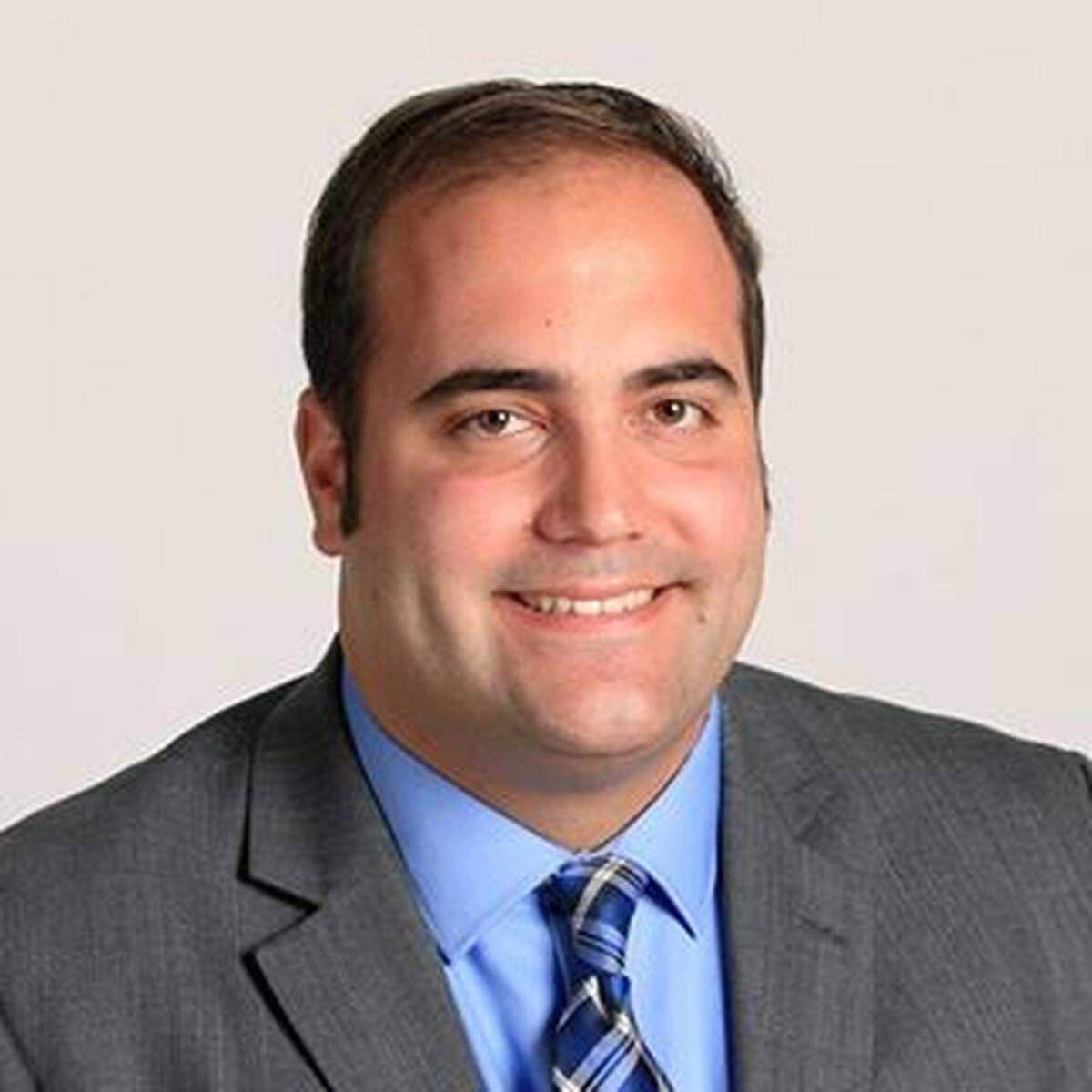
Senate Majority Leader Gene Suellentrop, a Wichita Republican, was arrested early Tuesday morning on suspicion of driving under the influence, fleeing officers, speeding and driving the wrong way down a divided highway.
A judge released Suellentrop Tuesday morning, ruling that missing information in a police report indicated there was no probable cause to hold him. Dispatch audio and 911 calls, however, indicate that Suellentrop was driving the wrong way on a Topeka highway for at least 10 minutes, at one point nearly hitting another car. The Kansas Highway Patrol says Suellentrop led Capitol Police on a five-minute chase on Interstate 70.
The Kansas Senate Judiciary Committee held a hearing Monday on a bill that would toughen the law on eluding police. It would create a new felony charge for a driver who “willfully drives the wrong way into an opposing lane of travel on a divided highway” or “willfully departs the appropriate lane of travel into an opposing lane of travel on any roadway causing an evasive maneuver by another driver.”
The bill passed the Kansas House unanimously last month. Lawmakers Monday, did not mention the allegations against Suellentrop and conferees focused on portions of the bill relevant to stolen cars.
A separate bill modernizes DUI laws to expand the use of ignition interlocks in place of license suspensions and revocations in some instances. That bill is slated for a hearing Wednesday.
Suellentrop is not currently facing charges, but if he is charged in the future it’ll be under the current statute rather than the proposed changes.
But the measures, which passed with bipartisan support and little fanfare in the House, may take on new significance and face increased scrutiny in the Senate after the majority leader’s alleged wild ride.
“It’s my sincere hope that the circumstances involving Sen. Suellentrop will not throw this reform process off in the Senate,” said Rep. John Carmichael, a Wichita Democrat and attorney who serves as ranking Democrat on the House Judiciary Committee. “What Sen. Suellentrop is accused of is more than just DUI, it’s flee and elude.”
As he had yet to closely read the bills, Senate Vice President and vice chair of the Judiciary Committee Rick Wilborn said it was too early to say whether Suellentrop’s arrest would impact the chances for the legislation.
Wilborn said he has historically supported modernization of DUI laws but didn’t want to make a judgment before he heard committee testimony.
“Just because it passes by a wide margin in one body doesn’t mean that will happen in the other body,” Wilborn said “There’s no correlation between what happened with the majority leader and these bills.”
The committee chair, Sen. Kellie Warren, a Leawood Republican, said she expected no impact as it is “just our regular legislative business.”
But Sen. David Haley, a Kansas City Democrat and ranking minority member of the Senate Judiciary, said he was surprised to see the two policies scheduled for hearings in light of Suellentrop’s arrest.
“I imagined that given the events of this week that if it had been left entirely up to Vice Chair Wilborn to direct, that this bill will not be heard. If he felt that he could do it without pulling strings, he probably would,” Haley said. “I will be asking that every bill that is heard that (the chair) … at least give the committee an opportunity to weigh in on for or against.”
Next week is the last for hearings in most committees.
When bills pass through committee it is typically the job of the Senate Majority Leader, in coordination with the Senate President, to place them on the debate schedule. That job was passed to Assistant Majority Leader Sen. Larry Alley after Suellentrop announced plans to step back Wednesday.
The DUI legislation is a result of a multi-year effort by the Kansas Judicial Council to modernize the state’s law roughly a decade after its last major overhaul.
Rep. Bradley Ralph, a Dodge City Republican, said the goal is to expand the use of ignition interlocks, which will prevent people from driving under the influence but still allow them to use their vehicle to get to work and conduct other essential travel.
“We want to make sure we’re helping people disconnect the use of alcohol with the operation of vehicles… but we need to get people off those suspended licenses in a safe manner,” said Ralph, vice chair of the House Judiciary Committee.
“This bill will bring compliance-based practices. A person will have to demonstrate they’ve been successful in the use of that device before they can have it removed.”
Carmichael said the shift from suspended licenses to interlocks shouldn’t be seen as a push for leniency. It’s about what’s more effective in stopping drunk driving.
“It’s not for the purpose of making the law less stringent… It’s for the purpose of bringing our law into the 21st Century,” he said. “What we have found is telling somebody that they can’t drive doesn’t stop them from driving.”
Carmichael, an attorney, said he believed Suellentrop’s alleged conduct would be a felony under the proposed bill related to fleeing and eluding police rather than the potential misdemeanor in current law.
“Pretty certain if that bill were law at the time of these events, it would be a felony,” he said.
The state constitution says legislators cannot be arrested “except for treason, felony or breach of the peace” during session or coming and going from the Legislature’s meeting place.
However, Ed Klumpp, a lobbyist for the Kansas Association of Chiefs of Police which advocated for the bill, said cases like Suellentrop’s were not the focus of the bill.
“The thing we’re trying to address is way too often in our pursuits on multi-lane divided roads, the people we’re chasing intentionally go across into the oncoming lane in an effort to get us to drop the pursuit for them to get away,” Klumpp said. “It’s different than what the events of this week were. That wasn’t a maneuver as part of the attempt to elude.”
Klumpp said wrong-way collisions hold the potential to be “far, far, worse than other types of collisions that could occur.”
Suellentrop did not respond to The Star’s request for comment on the legislation and how he would vote if it reached the Senate floor. In the 12 years since he joined the legislature, Suellentrop has voted in favor of seven changes to DUI law including policies allowing Kansans to refuse a field sobriety test and adjustments to sentencing and expungement guidelines.
While those policies often gained broad support, Suellentrop was in the minority, voting against changes twice. In 2015 He was one of 38 representatives to reject a bill allowing DUI offenders to drive themselves to get ignition interlocks installed.
In 2013, Suellentrop was one of two representatives who voted against a bill specifying that, in order to request a field sobriety test, an officer must believe a person was driving intoxicated “at the time of the request.”
The Star’s Jonathan Shorman contributed to this report.
This story was originally published March 22, 2021 at 5:00 AM with the headline "After KS Senate leader’s arrest, lawmakers weigh tougher penalties for fleeing police."