City task force, WSU to study litter as part of debate on banning plastic bags
This spring, volunteers will begin collecting litter around the city to determine how big of a problem plastic bags pose and whether they should be banned locally.
A decision is at least a year away.
The Wichita City Council created the Wichita Single-Use Plastic Bag Taskforce in February 2020 to assess the possibility of banning plastic bags. The task force will use the litter study, which it announced Thursday, to help make its recommendation to the city.
The study will be paid for with a $15,000 grant from the Environmental Protection Agency to the city of Wichita and the Wichita State Environmental Finance Center, one of 10 centers across the nation that uses federal and state funds for environmental research, training and technical assistance.
The project will identify locations to pick up litter, organize volunteers in the litter collection and categorize and count the type of trash and where it came from. WSU’s center will then identify significant sources of litter and develop recommendations to reduce litter.
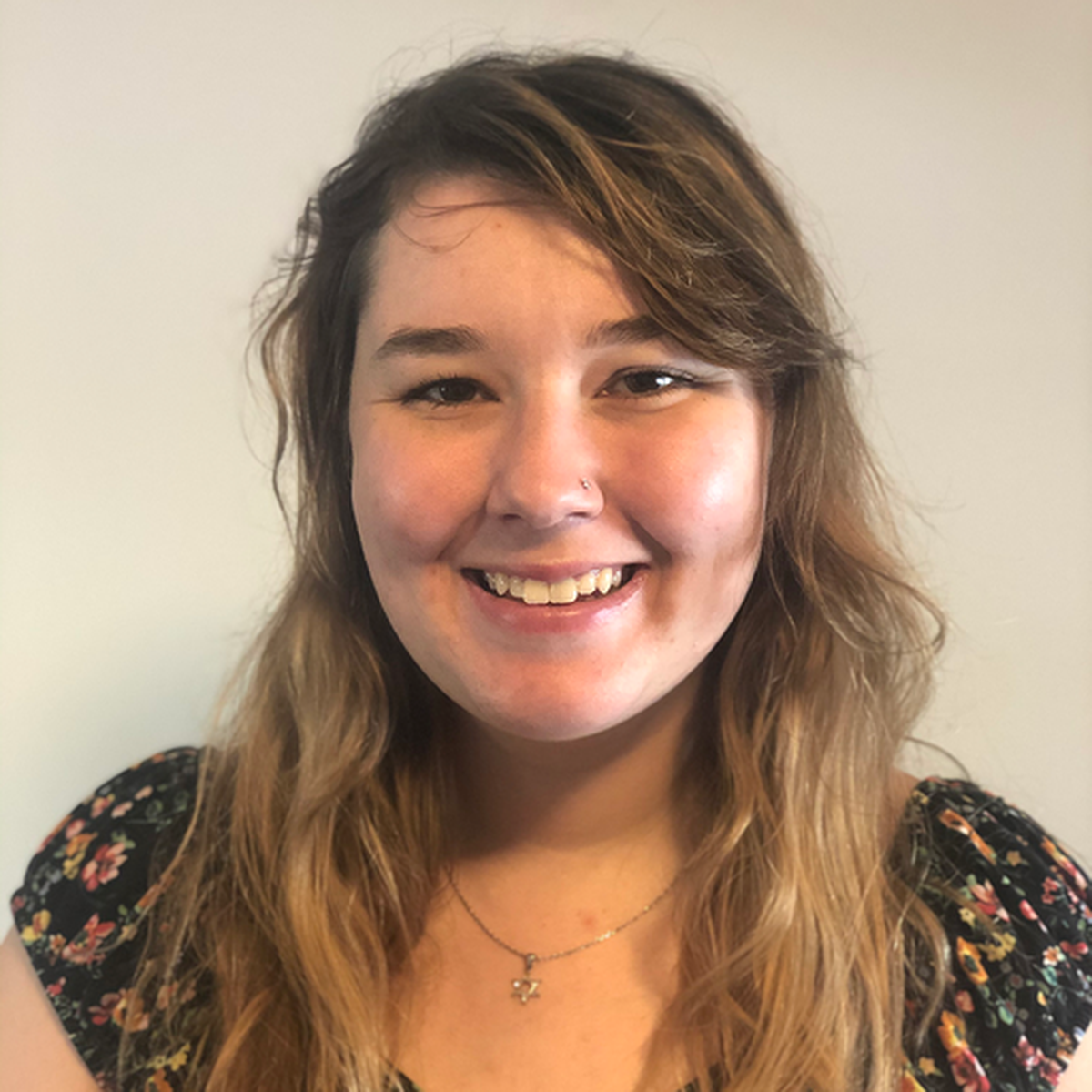
“The goal of this is not to identify stores or restaurants and villainize,” said Tonya Bronleewe, director of WSU Environmental Finance Center. “We want this to be a group effort with our local businesses. In no way do we want to identify something and then just point fingers and walk away. We want to really create a program that lifts everyone up. What’s good for business is good for our community.”
The $15,000 will cover the cost of pick-up supplies, such as gloves, grabbers and trash bags, and the rest of the grant will go to the WSU center, which will process the data collected during the litter study.
“It really is a steal, compared to some of the private industries we reached out to last year,” said Baylee Vieyra, senior management facilitator for The City of Wichita, who leads the task force. “We got a quote back for $137,000, so this is just a miracle, and we’re just really excited.”
The grant is part of an EPA project called Trash-Free Waters, which gives financial support to programs that remove trash from marine and freshwater environments.
“The big, overall goal of Trash Free-Waters is to reduce the amount of litter and trash going into our oceans, but we all know that that starts on the land and in the rivers,” Bronleewe said. “Our rivers all flow directly to the Gulf of Mexico, into our ocean, so we have a part to play in that.”
The task force expects to begin the litter study this spring and hopes to work with students who need volunteer hours or are interested in citizen science to help with collections. A report could be ready by the last quarter of 2021 in time for the task force to make its recommendations to the city at the end of the year.
The task force will meet again in February to hear the results of a survey to gauge Kansas citizens’ interest in reducing the use of plastic bags or banning them altogether.
This story was originally published January 14, 2021 at 3:01 PM.