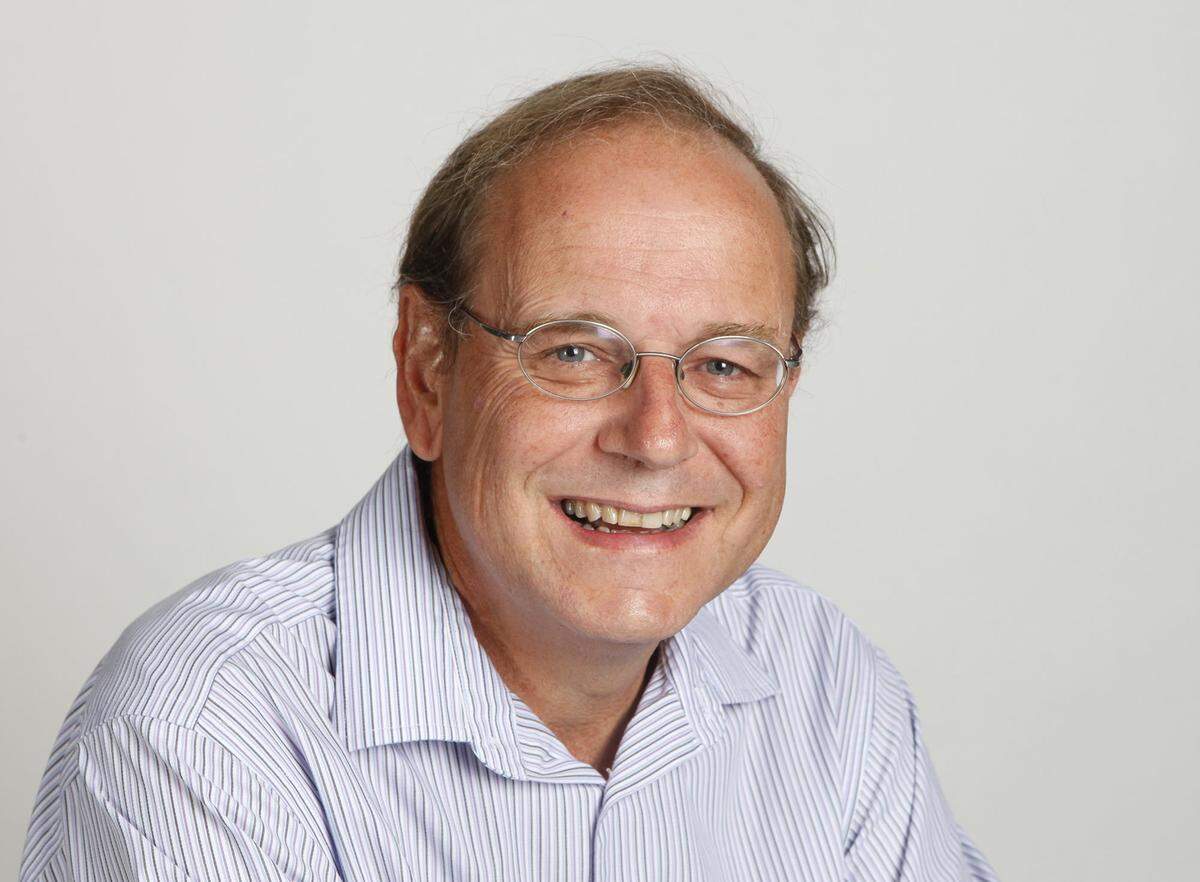
Disregarding opponents, Wichita mayor pushes through panel on street protesters’ issues
Despite misgivings from some of his colleagues on the Wichita City Council, Mayor Brandon Whipple forced through his plan for a special committee to address racial and police-brutality issues raised by the street protests that have roiled Wichita and most other major American cities.
In the face of opposition from council members Becky Tuttle and Cindy Claycomb, Whipple took the rare step Tuesday of shutting down debate and demanding an immediate vote on his proposal for a diversity, inclusion and civil rights advisory council.
When that vote came, Whipple began to announce four votes in favor of creating the committee, but the dissenting members voted for it at the last second and it passed 7-0.
Whipple floated plans to create a special advisory panel during a massive Wichita protest Saturday reacting to the killing of George Floyd, a black Minneapolis man who died with a police officer’s knee on his neck.
Video of the death has been widely circulated and touched off protests — in some cases violent — across the nation.
Protesters have shut down the intersection at 21st and Arkansas in north Wichita the past two nights.
Early Tuesday, a Wichita Police Department SWAT team fired tear gas and flash grenades at protesters after shots were fired in the residential neighborhood near the intersection.
Claycomb, who represents that part of the city, said she didn’t approve of Whipple’s approach to appointing the council.
“I don’t think we’ve been asked for any input,” Claycomb said. “We’re just being expected to vote. I’m a little uncomfortable with that.
“I think that inclusion, diversity and civil rights of course are important, but the last council that we approved, I was misled on what that was going to be and then I voted yes, so I feel a little uncomfortable with no true explanation in writing. “
Tuttle took exception that she first heard about Whipple’s council in the media, “which is not usually the preferred way for how we hear about things and how we can make the best decisions,” she said.
Whipple shot back that if they had questions, they could have asked him, laying bare a rift on the council since Whipple unseated former Mayor Jeff Longwell.
“In one week, I will have been mayor for six months,” Whipple said. “And there are three people on this council who have never once stepped in my office and had a conversation with me.
“For those of you who don’t know, my office is right by the bathroom,” he added. “We have people who walk past my office three to four times a day when we’re here . . . Not once has one of these people — two of whom spoke today — came in and asked, ‘Hey mayor, what’s going on?’”
Claycomb and Tuttle told The Eagle that’s not the case, but Whipple said he stands by his statements.
Whipple basically dared other council members to vote against the plan.
“You don’t have to vote for a council on diversity, inclusion and civil rights if you think that we don’t need more discussion on diversity, inclusion and civil rights,” Whipple said.
In deference to the ongoing COVID-19 pandemic, members of the panel will meet by teleconference twice a month and serve a three-month initial term.
Whipple said he shut down the debate because each member who wanted to speak had a chance to speak, and he felt “the conversation was going from inclusion and civil rights to their expression of more of a personal grudge against me.
“This moment is too important for this type of dysfunction. I think it’s disrespectful to the protesters, to people who are fighting for change and wanting a voice, to have a continuation on if we should have a public vote on a mayors’ council. ... They could have voted no, and then we would have been back to debate.”
Committee members
Council member Brandon Johnson will co-chair the committee.
Other members include Davontae Harris, Pam Mason, Kevin Graham, Alicia Sanchez, Karen Cayce, LaWanda DeShazer, Tariq Azimi, Emily Schlenker, Marquetta Atkins, Abi Boatman, Sean Gates, Chad Rico, JJ James, Faith Martin, Ngoc Vuong, Brandon Trotter, Dalton Glasscock, Willie Scott Jr., Hussam Madi and Allen Stoker Jr.
Whipple intends to add another round of appointments next week, “if needed,” he said.
Whipple had publicly announced the idea Monday in a video posted to Twitter and over the weekend while attending protests, promising the members would include pastors, community activists and “voices that traditionally have not been at the table.”
State Rep. Gail Finney, who has advocated for civil rights and against police excesses in the Legislature, said she was heartened when Whipple mentioned creating an advisory council while he attended a protest march Saturday.
“That was a surprise to me and I was glad to hear it, because I definitely think we need a commission or organization like that to have some type of oversight and suggestions that we can work to improve community relations not only with police officers and city council and county commission,” Finney said. “I think it’s going to take a collective conversation so that we can get some kind of healing going on because we want to prevent what happened in Minneapolis from happening here.”
The council will look at “what are we doing well, what aren’t we doing well and what can we improve,” Whipple said, and “look at action steps that can turn into policy.”
“My goal is to work towards progress and to let people know we’re listening,” Whipple said. “We want to work together to make Wichita the best it can be today and in the future.”
City Council member Johnson said now is the time for change, and the city is open to hearing any ideas for local policies to improve community-police relations.
But he said it will take federal and state law changes on racial profiling, hate crimes, justified homicides and use of force before the problem of police brutality is eradicated.
“The energy right now feels different,” Johnson said. “There seems to be more people willing to speak out about injustice. But until I see real progress that is really voted on, that really becomes law, I’m not optimistic because my whole life my parents and grandparents have been talking to me about the same issues that I’m fighting now at 34.
“Locally, we can look at policies with our police department, which we have and we are. But when you have instances like what we have with George Floyd, if we wanted to charge that as a hate crime, we couldn’t because the Legislature won’t pass a bill. So they really limit it.”
Johnson said state and federal lawmakers must take action.
“The problem is that many of the folks in elected office think that accountability is anti-law-enforcement, and it’s not,” he said. “But they continue to push it as anti-law-enforcement. And the truth is we support law enforcement, we just want accountability because without accountability you see what we’ve seen throughout the nation.”
Sen. Oletha Faust-Goudeau applauded Whipple’s move as a step toward trying to overcome the city’s history of segregation and economic disparity between white and black communities.
Tens of millions of tax dollars have been spent on creating downtown amenities, but there’s been little investment in the historically black neighborhoods northeast of downtown, Faust-Goudeau said.
“You know, we’ve built up downtown quite a bit and we’ve got Old Town,” Faust-Goudeau said. “But to be quite honest, when I’m talking to African-Americans, they don’t feel comfortable in Old Town.”
The bar and restaurant district can be entertaining, but only if you have the money to enjoy it, she said.
“Most black people are working those essential jobs,” such as aviation manufacturing, services and education, Faust-Goudeau said. “They’re struggling anyway and then if they go somewhere and they’re made to feel uncomfortable, then it leads to what we see.
“Even though we have all this stuff in Wichita and there’s a lot to do, if you cannot afford it, you don’t get to do anything. So when you’re young and you’re poor and you’re black and they keep creating things to keep you back, that’s what creates tension.”
Faust-Goudeau said the only way she sees to solve the problem is to increase interaction between groups.
“I trust that Mayor Whipple will have a diverse group on that panel,” She said. “We’ve got to include the entire community of Wichita.”
Editor’s note: Ngoc Vuong’s name was misspelled in an earlier version of this story.
This story was originally published June 2, 2020 at 1:59 PM.