
City of Wichita to purchase nine buses
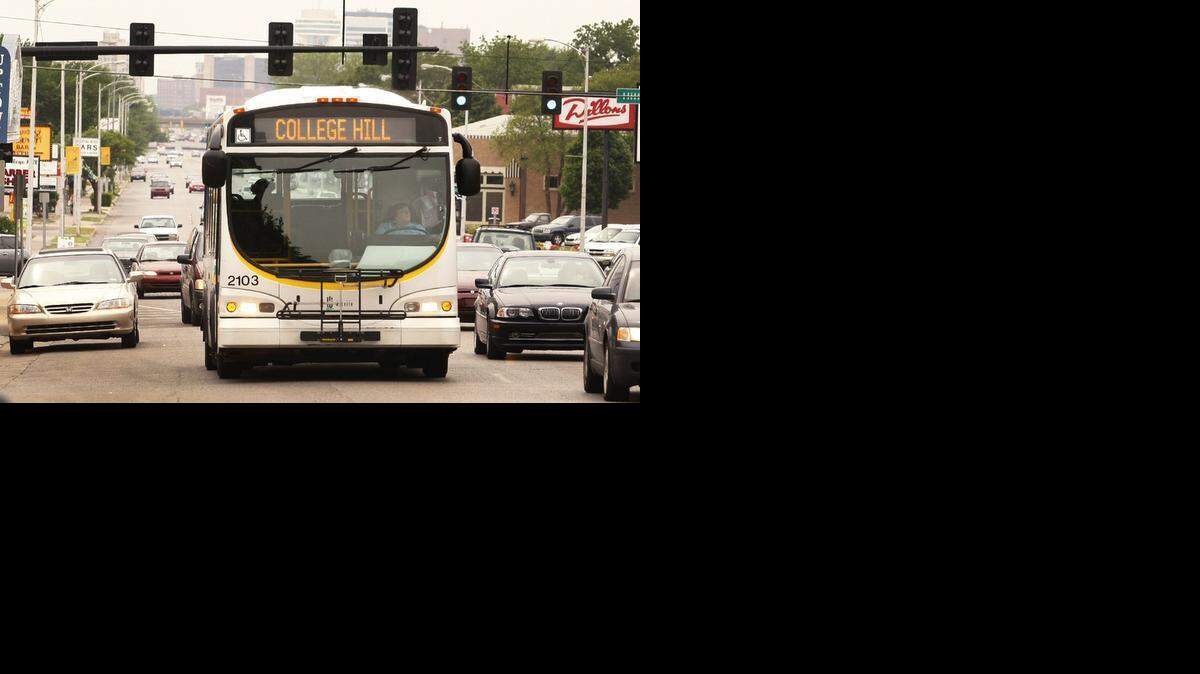
The city of Wichita plans to purchase nine, 35-foot diesel buses for Wichita transit, according to city documents.
The diesel buses are part of a transit replacement plan approved last year by the City Council with Hayward, Calif.-based Gillig Corp. for at least 10 and as many as 60 new buses in the next five years.
Wichita Transit operates a fleet of 56 buses and trolleys. According to transit director Steve Spade, about 60 percent of those are more than 12 years old, the useful life expectancy established by the Federal Transit Administration.
Cost for the proposal is $433,669 per bus – or $3,903,021 for all nine – with 83 percent paid through Federal Transit Administration funds. The local portion will be paid using general obligation bonds.
The Eagle previously reported the total cost of bus replacement and possible expansion was expected to be between $21 million and $24 million.
It could be up to two years before the city gets the new buses, Spade said.
There are less than five major bus manufacturers nationwide, Spade said, and that, combined with delayed orders from the recession and increased transit ridership nationally, has resulted in higher demand for new buses.
“That’s the reason it’s so critical to stay on top of it. With this bus market, you can wait a long time trying to get extra miles out of those buses,” Spade said.
Wichita’s transit system has suffered for a long time from buses in bad repair, low ridership and funding problems.
Poor people in the past have said they depend on the buses to get to and from work or grocery stores. But city officials have estimated that 70 percent of Wichitans have never set foot on a city bus.
City officials say the struggling transit system needs a new permanent funding source to stay afloat. Part of a failed 1-cent sales tax last fall would have helped pay for transit upgrades and route expansions.
Before the sales tax failed, city officials said the transit service would have to be reduced by 25 percent if it did not receive additional funding. In order to stabilize transit, the city estimates it would require an overall property tax increase of $8 million annually, although no specific proposals to do that have been made.
City officials are now considering other options for funding, including shifting Capital Improvement Program dollars from other projects to help pay for the system.
About 2.25 million rides were taken on the transit system in 2012, compared with about 2.15 million in 2013. Last year followed the same trend. City officials say the number of riders decreased because of the city’s decision several years ago to cut service on the west side and to raise fares.
Reach Kelsey Ryan at 316-269-6752 or kryan@wichitaeagle.com. Follow her on Twitter: @kelsey_ryan.
This story was originally published March 25, 2015 at 6:13 AM with the headline "City of Wichita to purchase nine buses."