1,900-year-old settlement found near ancient Roman road. See what’s inside the ruins
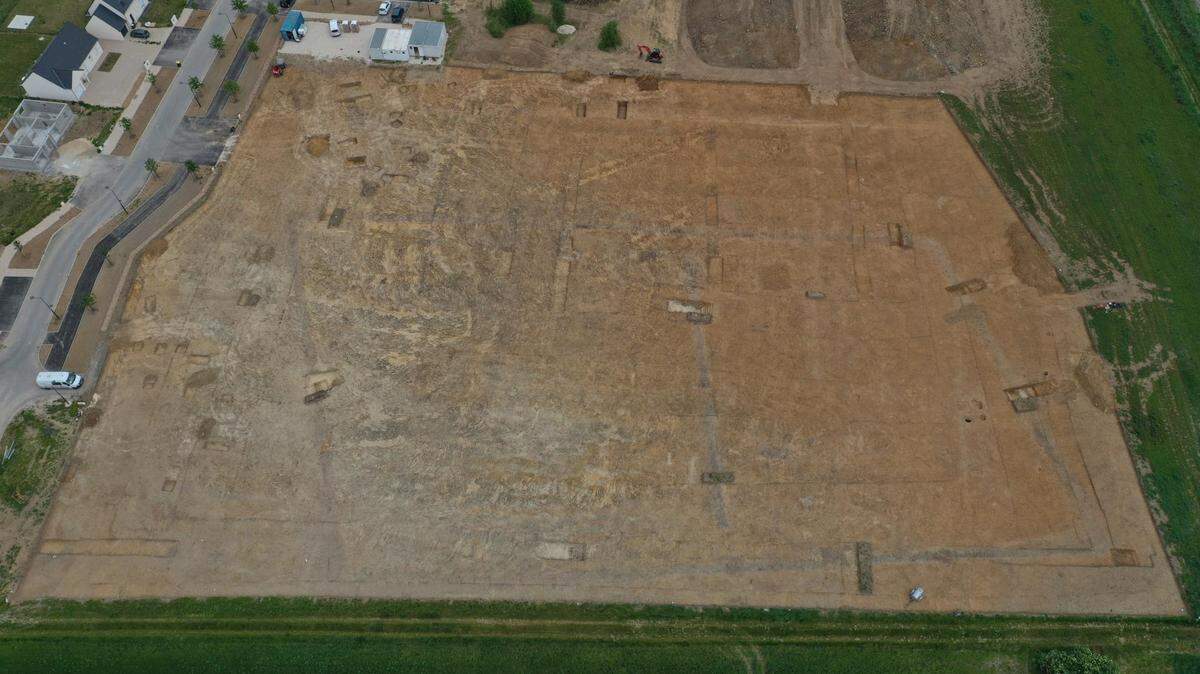
Sometime before 50 A.D., a rural settlement in France was abandoned. Its former inhabitants left behind structures, including wells and postholes, which soon became used as waste disposal areas for future inhabitants.
Now, archaeologists have rediscovered the ancient, approximately 3-acre site — along with the collection of artifacts left behind as waste.
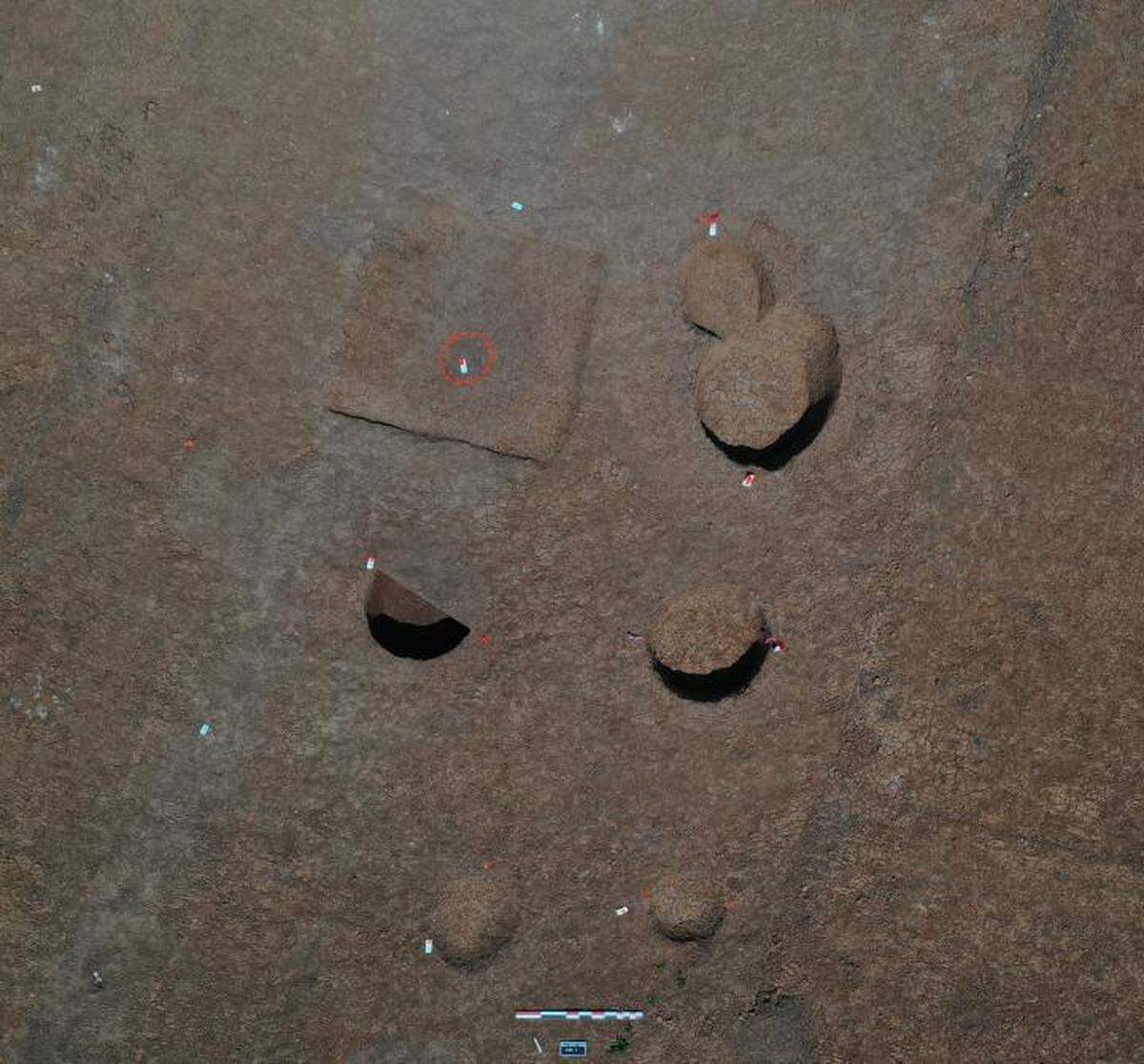
The ruins include a sprawling area of land enclosed by ditches, according to a Feb. 5 news release from the Institut national de recherches archéologiques préventives (INRAP). Within this enclosed area, archaeologists found at least two wells and a sets of postholes.
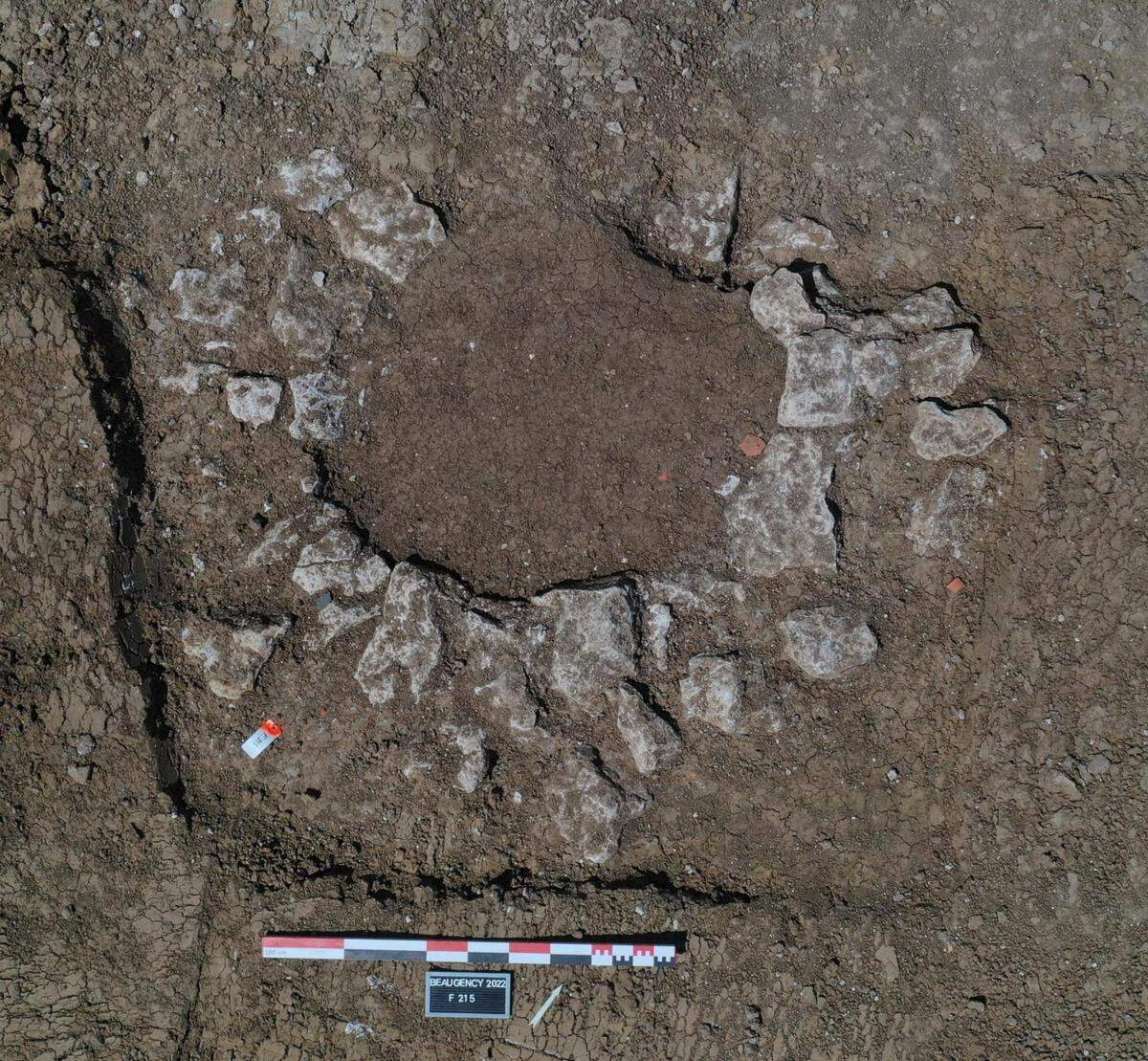
Experts said the postholes indicate buildings used to stand there. The organization of the posts resembles well-known construction patterns from the Iron Age.
One of the buildings had an area of about 270 square feet, archaeologists said.
Partitions built into the land indicate the site was separated into different activity zones, experts said.
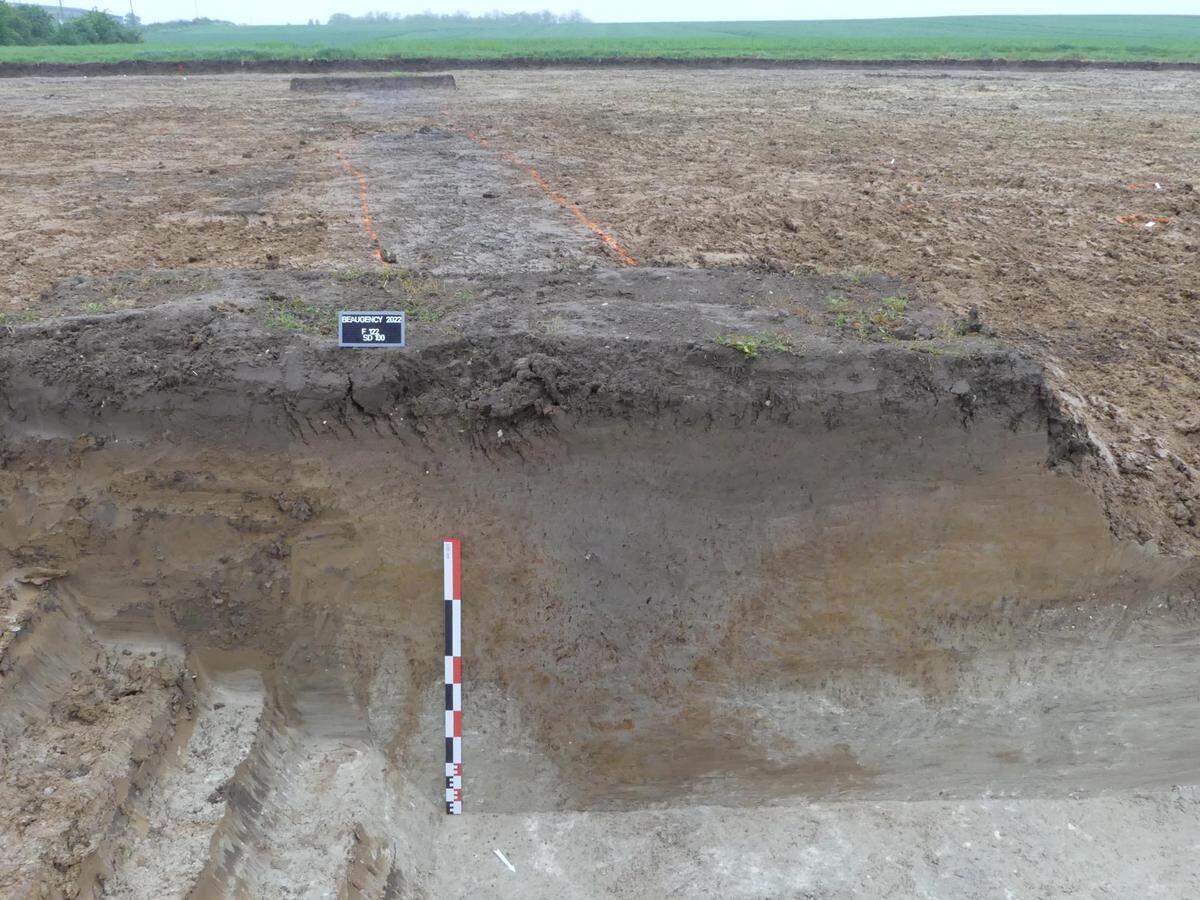
After it was abandoned during the first half of the first century, the site and its ruins were used as a waste disposal area, according to officials.
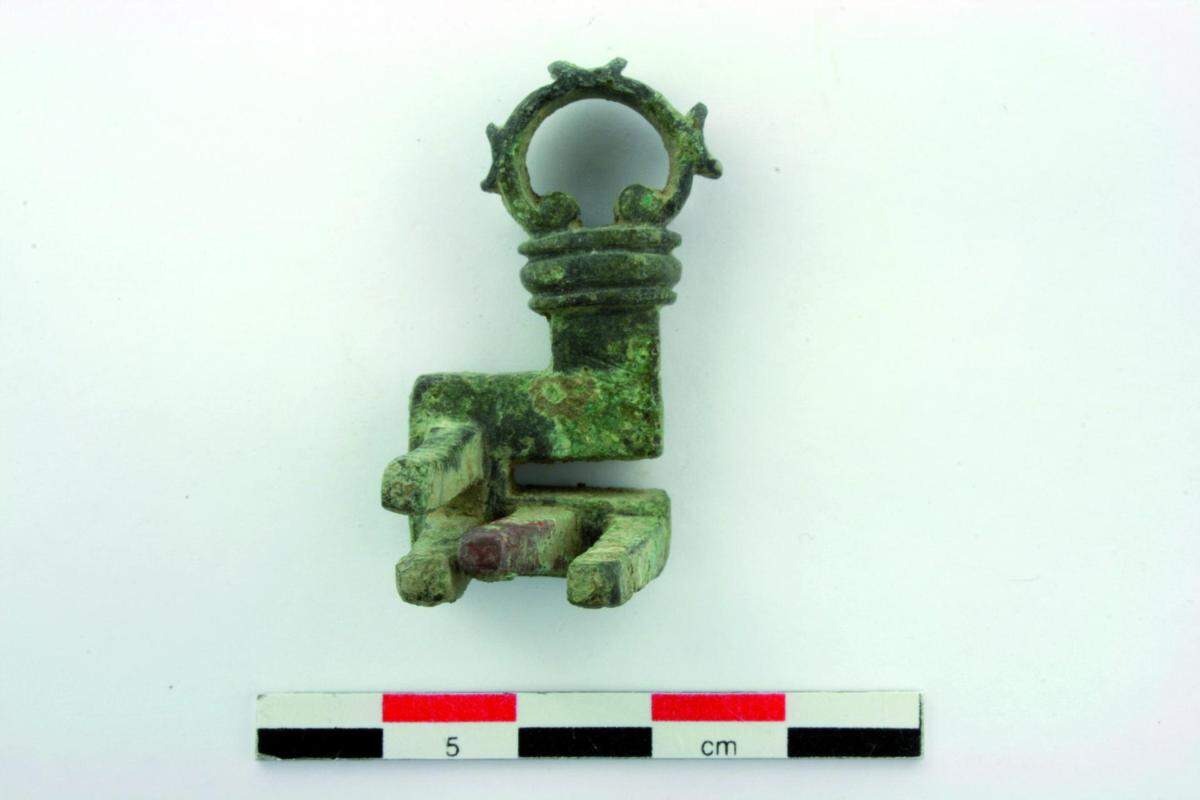
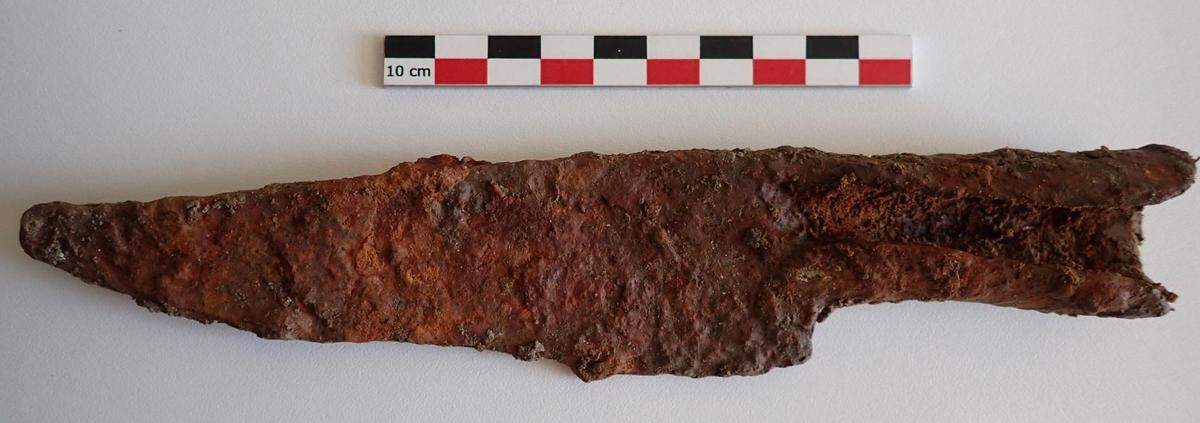
Archaeologists unearthed ceramic fragments, animal bones, iron tools, bronze tools and other waste linked to iron working.
Photos show some of the artifacts, including a complete iron knife and a copper key.
The ruins were found near a Roman road that was unearthed during a 2013 excavation, officials said. The road likely connected two cities and replaced an earlier Iron Age route of transportation.
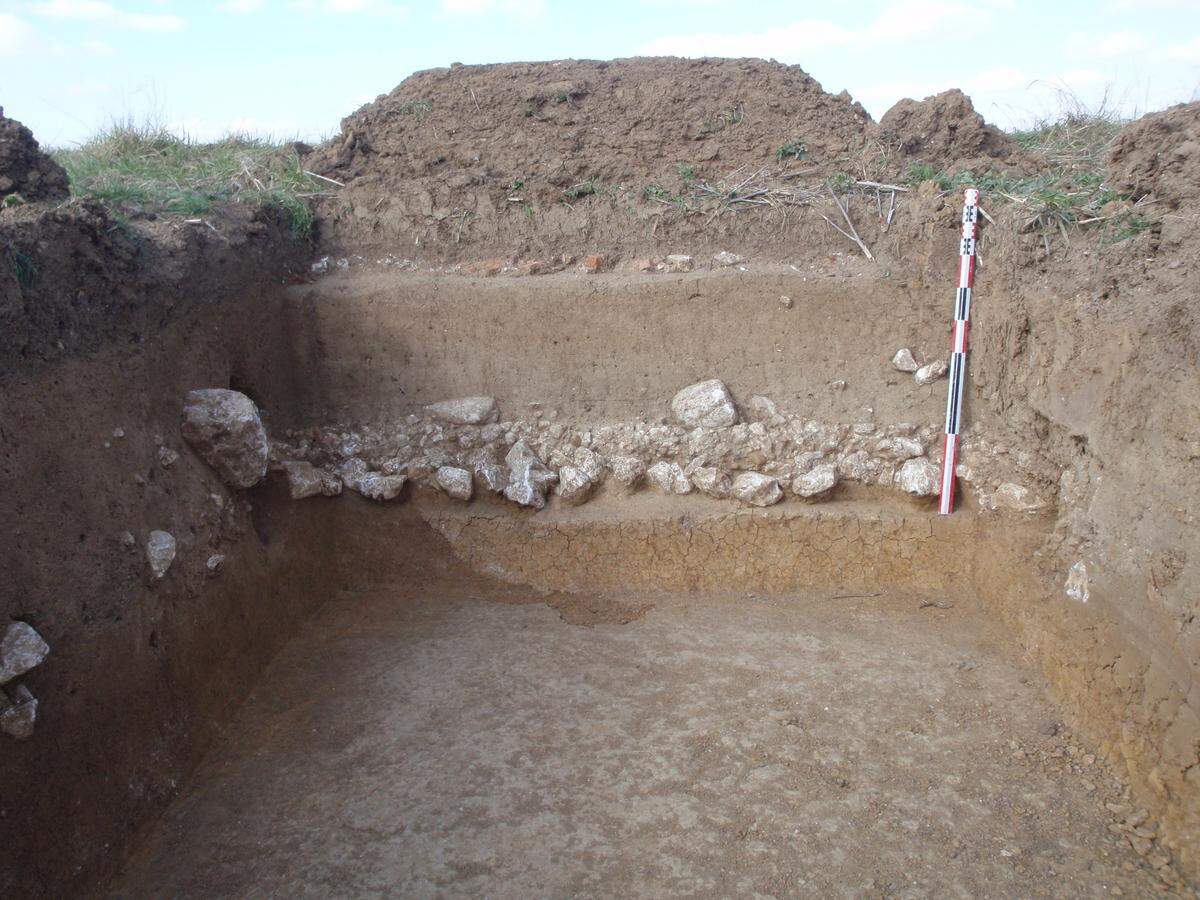
Experts said the site was found in Beaugency, an area previously unknown to have been inhabited during the Iron Age.
Beaugency is about 100 miles southwest of Paris.
Google Translate was used to translate a release from INRAP.
This story was originally published February 6, 2024 at 3:50 PM with the headline "1,900-year-old settlement found near ancient Roman road. See what’s inside the ruins."