Tomb hid under jungle floor for 1,700 years — until now. See ‘extraordinary’ contents
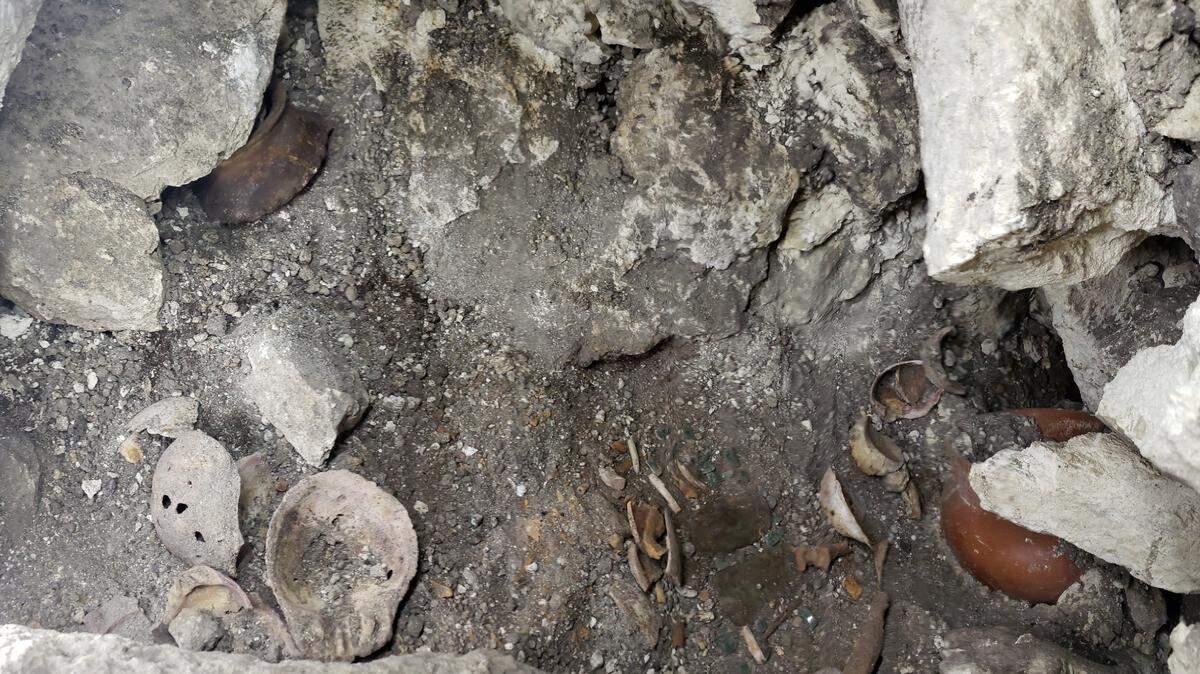
Hundreds of years ago, during the height of the Mayans’ rule in Guatemala, someone was buried in a huge tomb filled with “extraordinary” and “rare” offerings.
The burial barely survived an aggressive looting campaign, which included extensive underground tunnels that allowed robbers to unearth ancient artifacts left by the Mayans. It stayed hidden by the jungle for nearly 1,700 years.
That is until now, according to archaeologists from Tulane University in New Orleans.
The team of experts, led by Francisco Estrada-Belli, found the burial in 2022, the university said in a Jan. 29 news release. They used lidar technology — “which shoots laser beams from an airplane through dense jungle foliage to map what’s on the ground.”
“It’s like taking X-rays of the jungle floor,” Estrada-Belli said in the release.
The lidar scans revealed the looters’ underground tunnels. About 6 feet from where they had stopped digging, the archaeologists spotted something in the ground.
It was the tomb.
Because the looters stopped short of the actual burial, they only caused damage to the exterior of the stone tomb, according to Estrada-Belli.
“That was the first amazing thing about it,” he said. “It was very lucky.”
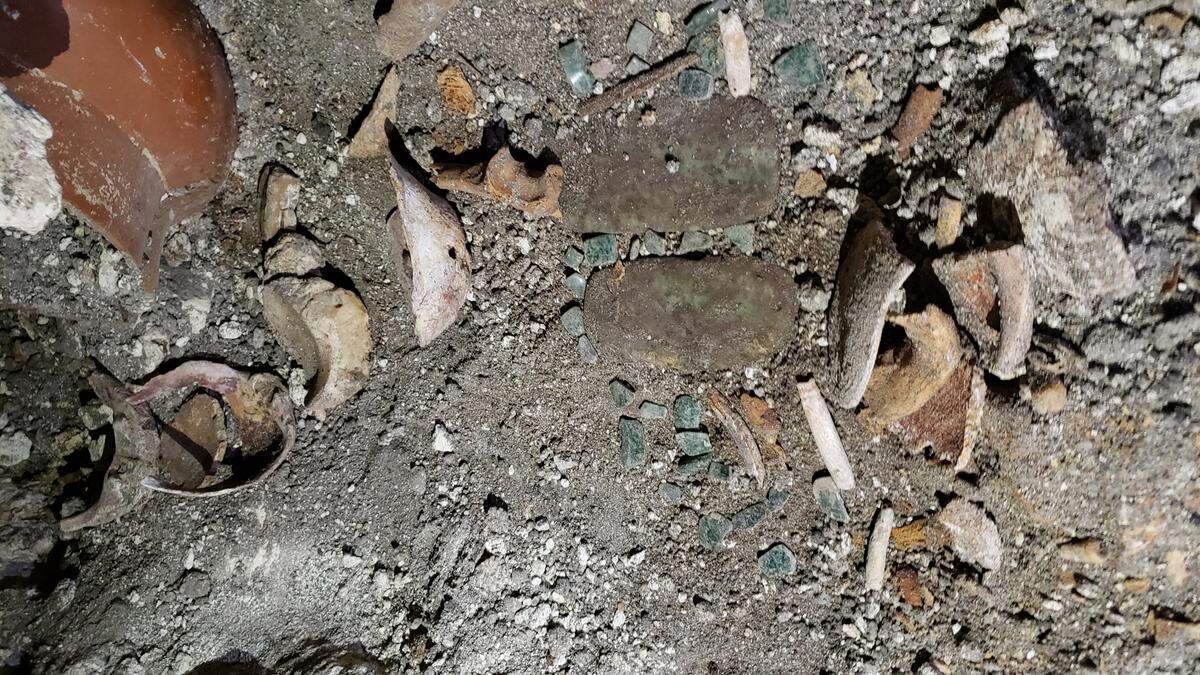
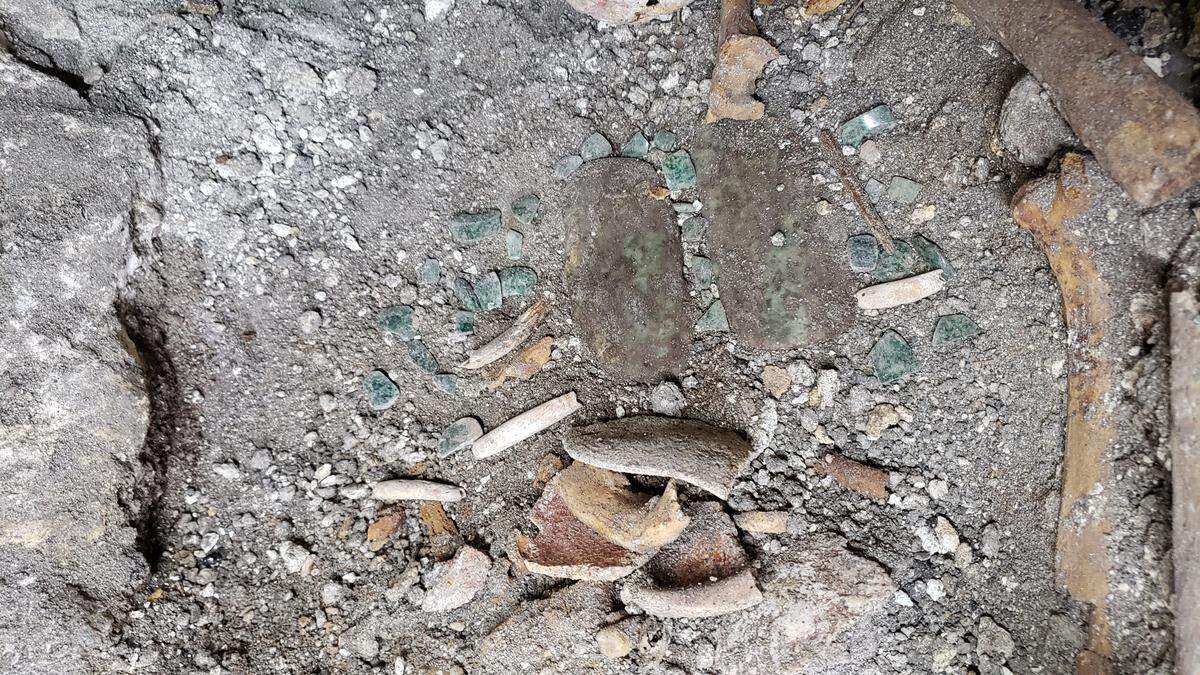
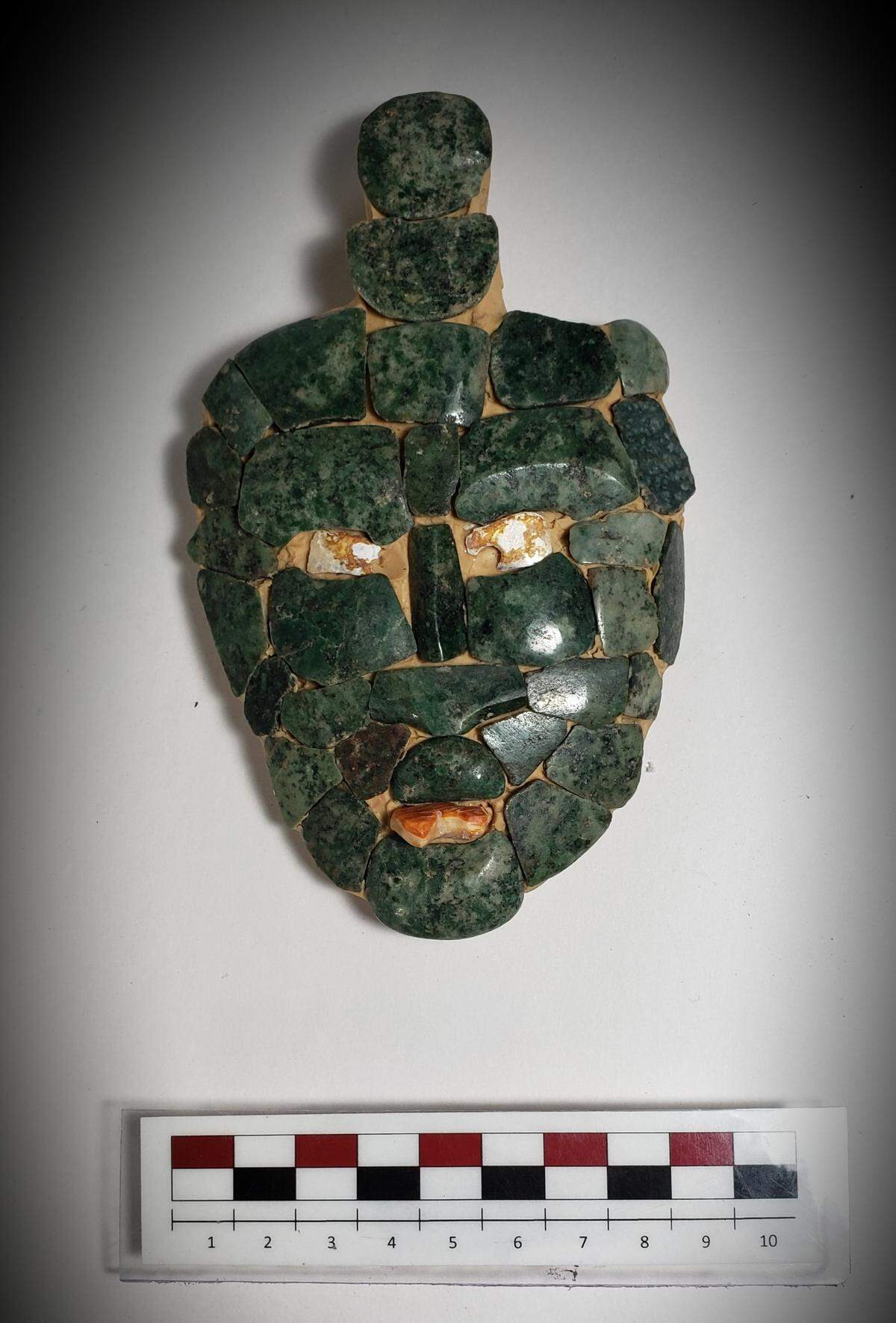
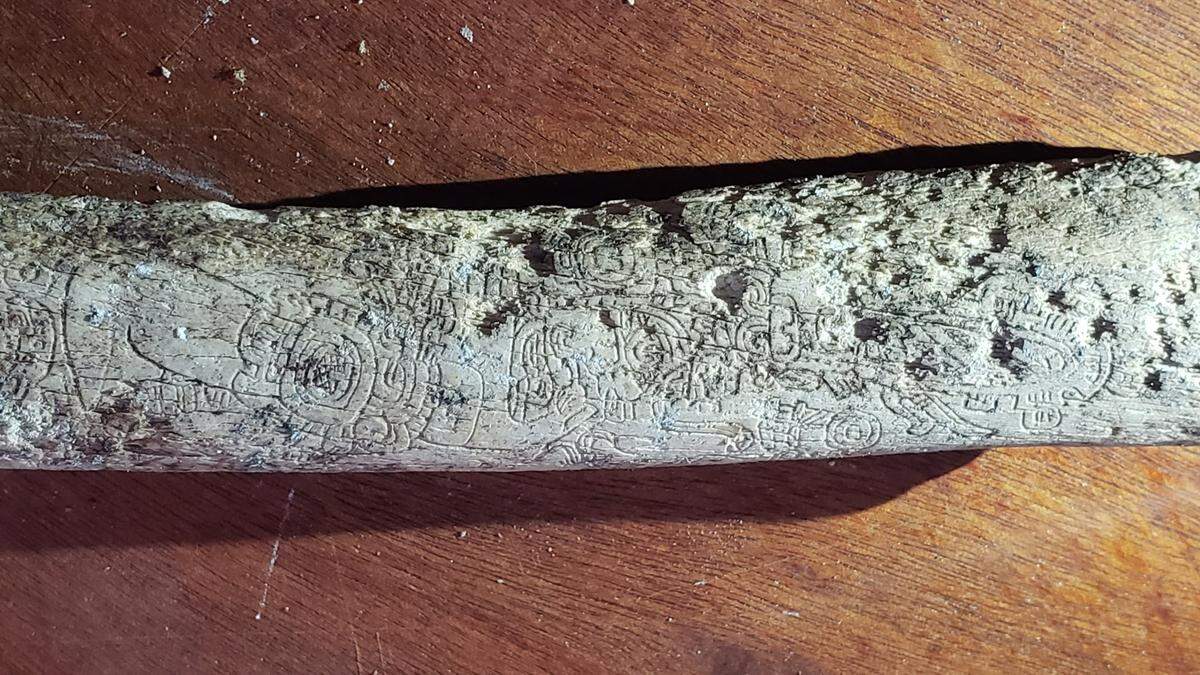
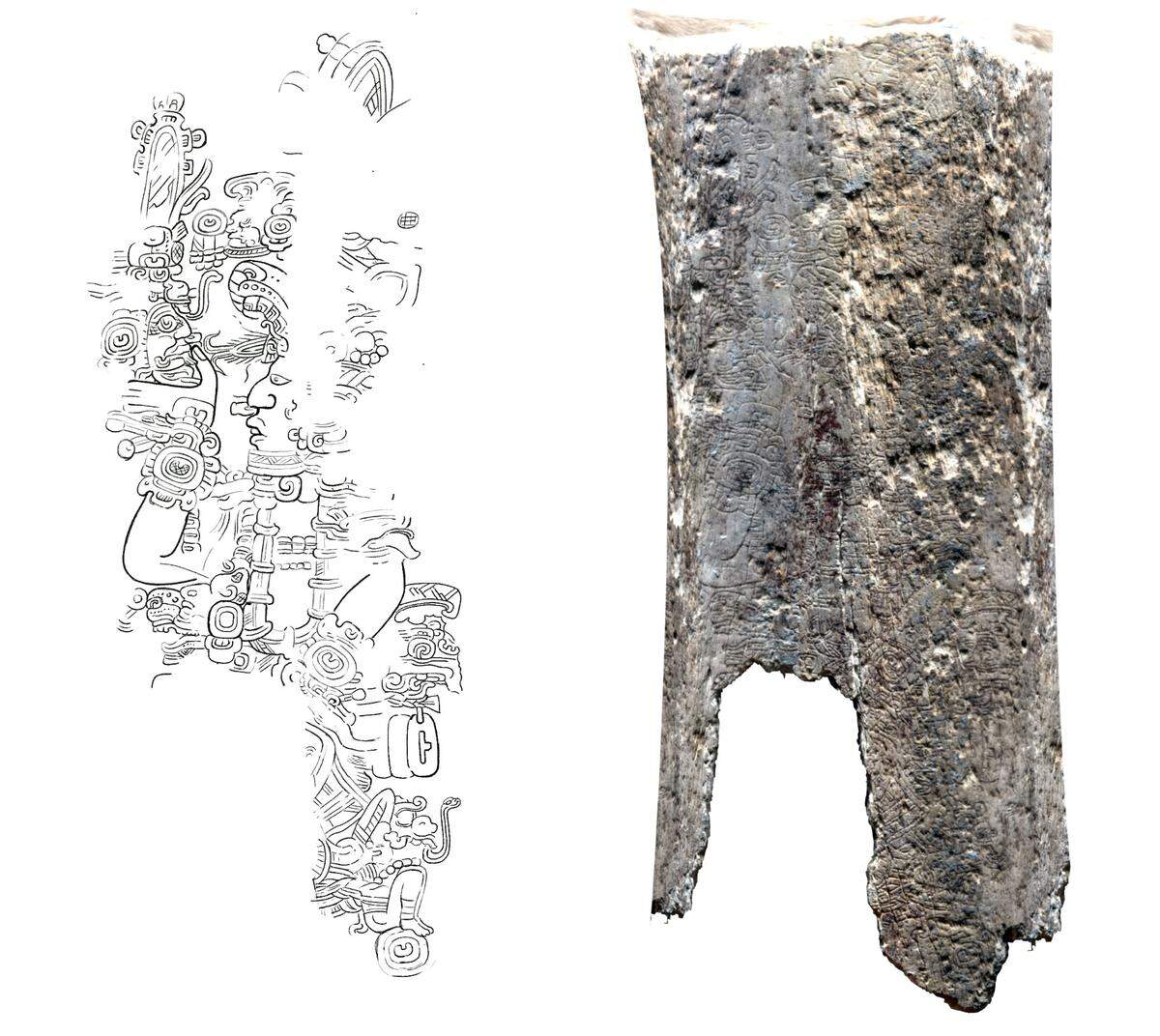
When researchers looked inside the tomb, they were even more shocked to find an assortment of “extraordinary funeral offerings, including a mosaic jade mask, rare mollusk shells and writings carved in human femur bones,” the university said.
“A discovery like this is a bit like winning the lottery in terms of information,” Estrada-Belli said. “It opens a window into an obscure time we have very little texts about.”
Sixteen shells of “a rare spiny oyster” known as spondylus were fond in the burial, according to archaeologists. The shells were used by ancient royalty “as jewelry and currency as well as in religious and sacrificial offerings.”
One of the engraved femur bones depicts a profile believed to be an unknown king, experts said. He’s holding a jade mask similar to the one unearthed from the tomb. Hieroglyphics on the bone appear to identify the man’s father and grandfather, creating a link to other Maya states.
The height of the Maya Classic Period was between 250 A.D. and 900 A.D., according to the university. Archaeologists know little about that time because most sites have been looted.
The relics date to about 350 A.D., experts said. They have connections to another Mayan settlement, Tikal, and the central Mexican site of Teotihuacan, “which influenced Maya rulers at the time.”
Archaeologists found the tomb at Chochkitam, a site in northeastern Guatemala, according to a 2022 study co-authored by Estrada-Belli. Chochkitam was “a center of average size,” but it had an important role as a royal city.
This story was originally published February 2, 2024 at 10:21 AM with the headline "Tomb hid under jungle floor for 1,700 years — until now. See ‘extraordinary’ contents."