‘Game changer’: New tech is reducing Parkinson’s symptoms in South Florida patients
Ozzie Echemendia’s “second chance of life” came in the form of a wire that runs from his brain all the way to his upper chest.
Echemendia is in a battle with Parkinson’s disease, a movement disorder that affects the nervous system and usually worsens over time, causing tremors and making it difficult to walk and speak. It wasn’t long ago that the 54-year-old father of two found himself on the couch, unable to work or even walk without help. He had frequent tremors. He could barely speak. He was taking 60 pills a day, on average.
“Parkinson’s steals. It doesn’t care what you owe to the bank. It doesn’t care about keeping the lights on or feeding your kids,” Echemendia, who lives in the Redland area of South Miami-Dade, told the Miami Herald during a recent video interview. “The fact that I’m here sitting with you, it’s a miracle.”
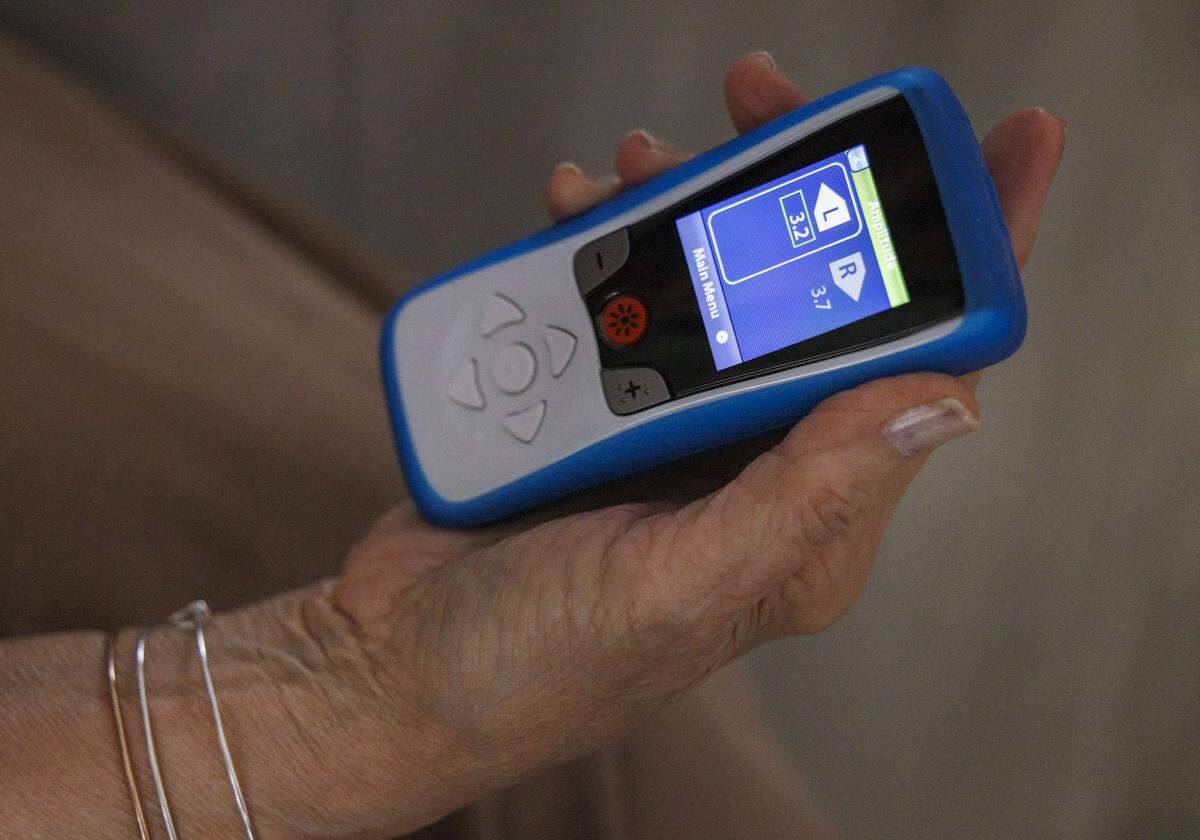
In May 2025, he underwent a minimally invasive brain surgery to implant a device in the area of the brain that largely controls movement and is connected to a battery implanted in his upper chest. Shortly after recovery, the “programming” started. Doctors began to touch and slide buttons on an iPad.
At first, there was no change. By the third try, Echemendia began to move.
“They hit the bull’s-eye,” Echemendia said. Within a few days, he was able to walk to the bathroom by himself for the first time in years.
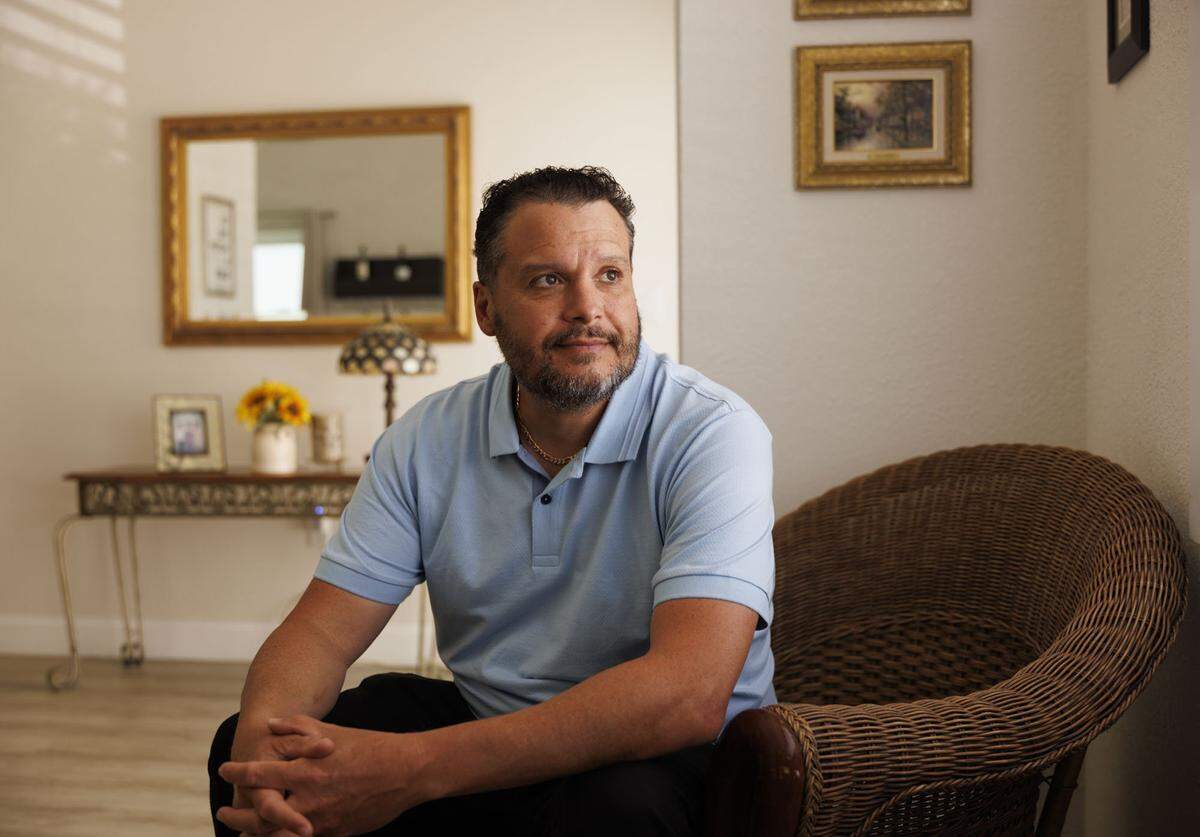
He’s still undergoing treatment for Parkinson’s, a disorder that currently has no cure. But he’s working again. Dancing. Walking.
“I can’t describe — words can’t describe now the change,” Echemendia said, tearing up. It “was a game changer for me, a life changer.”
What sounds like a miracle is the effects of a deep brain stimulation procedure Echemendia underwent at Memorial Regional Hospital in Hollywood. The procedure, most commonly known as DBS, implants thin wires into a specific area of the brain that controls movement to “control the symptoms of Parkinson’s” and other movement-related disorders without medication, according to Dr. Christopher DeMassi, chief of the Memorial Neuroscience Institute. A small battery, similar to a pacemaker, is implanted in the chest.
“It’s almost like a light switch. You turn the device on, and they’re moving totally normal,” DeMassi said. “They’re able to walk. They get rid of their walker. They start eating. It’s a huge change in life.”
The tech has been around for decades but has been honed over time to no longer require patients to stay awake as doctors poke around in their brains. The robot-assisted surgery takes less than an hour to do compared to traditional DBS surgery, which can sometimes take up to 10 hours to complete, according to the hospital. And unlike traditional brain surgery, no head shaving is needed.
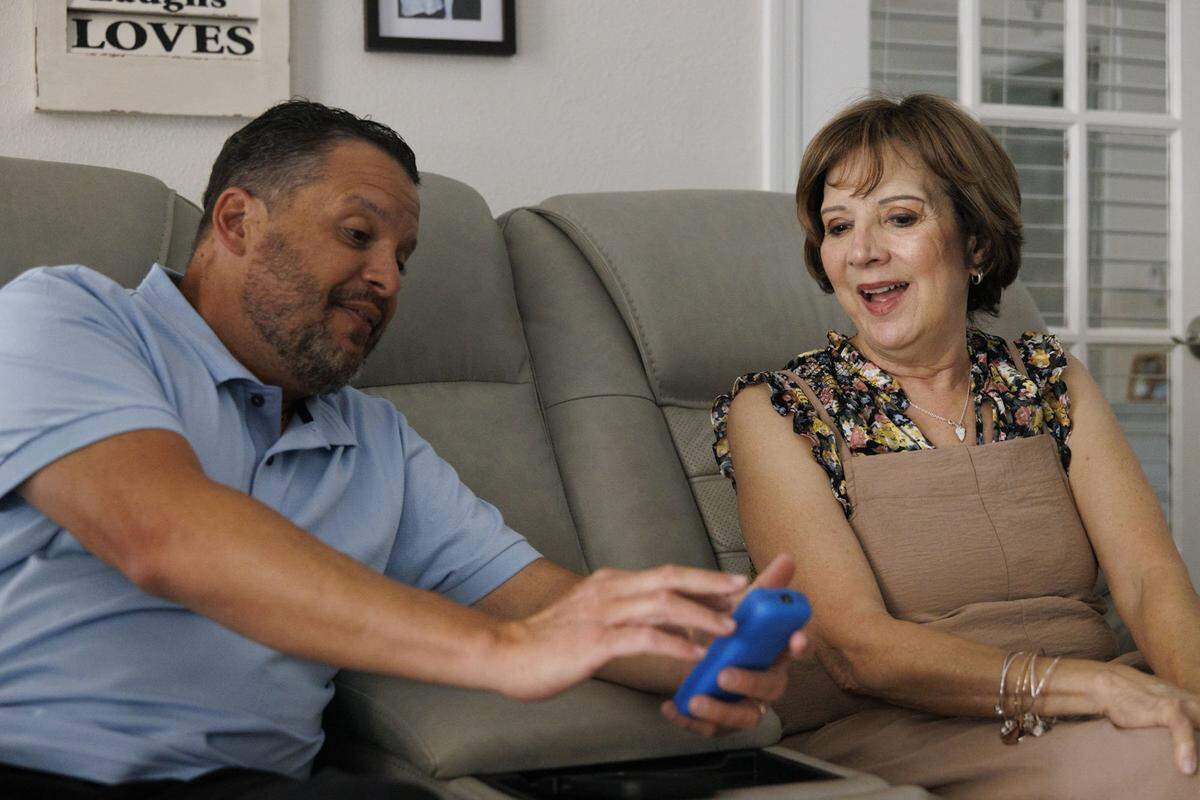
Those were key selling points for Ivonne Gonzalez, who underwent the procedure in late December after she was connected to Echemendia by his wife, her former co-worker. Gonzalez, who was diagnosed with Parkinson’s in 2022, said she realized something was wrong when her handwriting began to change. She struggled to walk. Her speech began to slur. It became difficult to play with her grandchildren.
Now, she’s walking without her walker. And her speech has improved, though she’s still in her own programming process.
“People have to be their own advocates,” Gonzalez told the Herald, stressing how important it is to find a doctor who listens and pays attention to symptoms and other changes that patients notice in their life.
The robot-assisted DBS surgery is just one of the innovative technologies being used at South Florida hospitals to combat the difficult symptoms of a life-changing disorder that affects nearly 1 million people in the country.
How ultrasounds are being used to slow Parkinson’s
At Baptist Hospital, a similar — and newer — technology is being used to lessen Parkinson’s unbearable tremors, without the need for anesthesia. The MRI-guided procedure uses high-intensity focused ultrasounds to burn and kill the tremor-causing cells, according to Dr. Justin Sporrer, the director of functional neurosurgery at Baptist Health’s Miami Neuroscience Institute.
There are no stitches. No implanted devices. Patients go home the same day. And the effects are instantaneous.
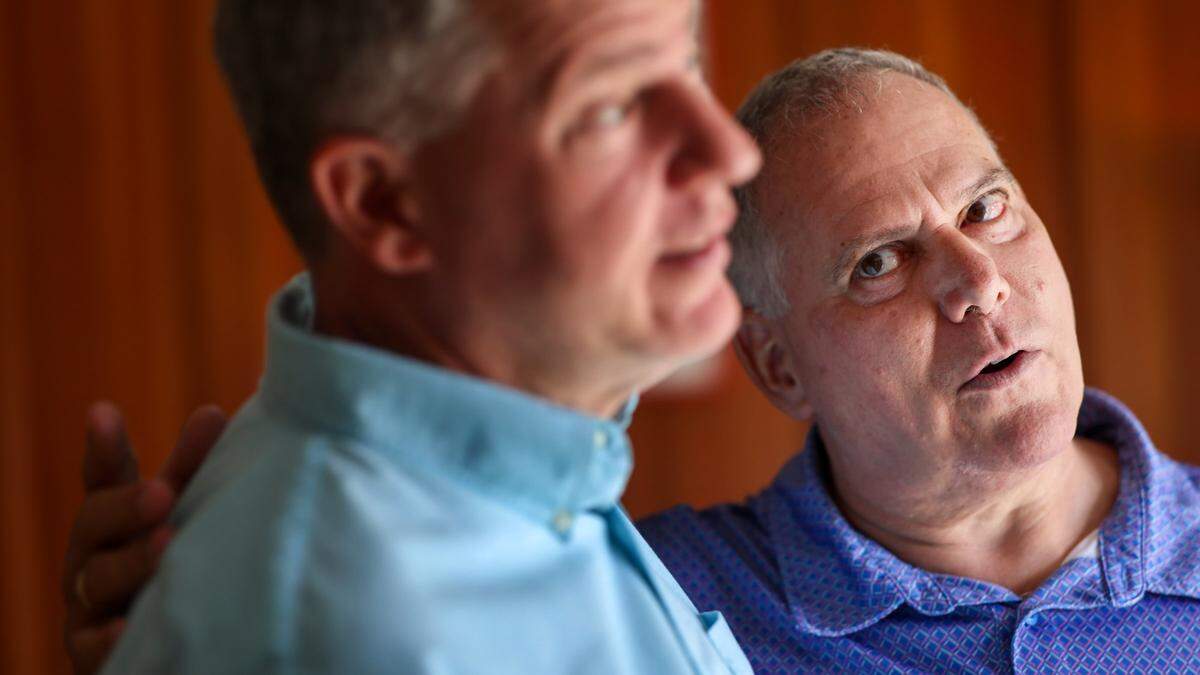
“It was a miracle. I literally started crying,” said Timothy Sick of Fort Lauderdale, who for six years and two months lived with tremors. “I came out of the machine. My hand didn’t quiver at all, and [the doctor] high-fived me.”
No two Parkinson’s patients are the same. The disease affects every patient’s body differently, similar to cancer. It’s why treatment is so difficult.
In Sick’s case, his “tremor dominant” Parkinson’s wasn’t responding well to medication, making it difficult to work. He and his partner Sal Zambito went everywhere — 48 different specialists from London to Boston to Miami — looking for a treatment that could bring some sense of normalcy back.
They found it at Baptist. Just like DBS, the high-intensity focused ultrasound procedure commonly referred to as HIFU is approved by federal regulators to treat patients with essential tremors and Parkinson’s and is often covered by insurance.
“A year ago, I couldn’t even get out of bed, and we had medicine, adjustments, more physical therapy,” the 66-year-old Sick said. “And then when the procedure came, I like, hopped out of bed.”
“I have my purpose in life again,” he added.
This type of procedure is for people whose symptoms, like tremors, are not responding well to medication, according to Sporrer.
Before his procedure began, Sick remembers being asked to draw a swirl, following the lines on the page. It was difficult. His lines were shaky and all over the place. Shortly after the procedure began, he was asked to do it again. This time, he drew a near-perfect swirl.
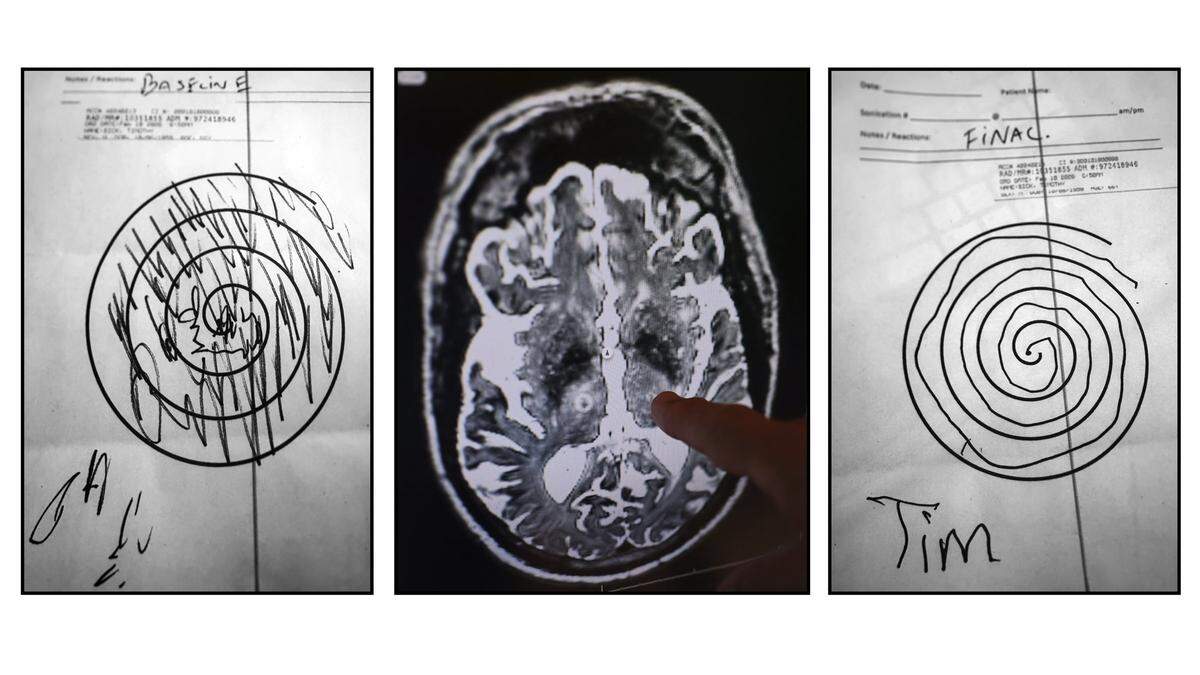
“It was unreal. ... I literally just walked yesterday well over a mile,” Sick said in a recent interview. “I was lucky if I could walk 100 yards before with a cane and assistance from my partner.”
For neurologists like Sporrer, the goal is to improve the quality of life for patients with Parkinson’s disease, a condition that often worsens with time and, while not deadly on its own, is known to contribute to a shorter lifespan.
With HIFU, patients are awake for the procedure and undergo tests so Sporrer can monitor the effects and make adjustments as needed. “The tremor is gone” before the patient leaves the procedure table, the doctor said.
Each side of the brain is done nine months apart to minimize the risk of side effects. Patients need to shave their head and wear a large helmet-looking device with what Sick describes as a “water balloon to keep your head from getting too hot.”
“The hard part of this procedure really is identifying those [tremor-causing] cells, and we do that with an MRI,” Sporrer said, explaining that the MRI gives them a picture of the brain. Then comes the ultrasound.
“The beauty of ultrasound is that we can heat up those cells a little bit at first without causing damage yet, and so basically we’re temporarily turning those neurons off to see what the effect is going to be,” he added. “It’s a little test drive.”
While every patient differs, most report significant tremor reductions, the doctor said. Some become tremor free. Sick is now waiting to do the procedure on the other half of his brain.

Baptist Health South Florida, the region’s largest not-for-profit health system, plans to expand its neuroscience division within the next five years, increasing to over 90 physicians at the Baptist Health Miami Neuroscience Institute at Baptist Hospital in Kendall.
“The community is hungry for care and hungry for appropriate care” as Miami-Dade’s population continues to age, said Dr. Diego Torres-Russotto, chair of neurology and the distinguished endowed chair in neurology at Baptist Health Miami Neuroscience Institute.
Parkinson’s stem cell trial is underway at UM
At the University of Miami, neurologists are testing AI’s capabilities to shuffle through patient data to spot patterns that can help predict which patients may experience rapid decline. The hope is that the data will help doctors determine effective treatment options faster to reduce worsening disease advancement.
One of those potential treatments: stem cells.
The university is involved in an ongoing clinical trial testing whether lab-created stem cells can replace critical movement-related cells that tend to disappear in the brains of moderate to advanced Parkinson’s patients, lessening the disease’s effect. The job of those disappearing neurons is to release dopamine, which most people know as the “feel good” hormone that helps regulate mood. But dopamine is also key to speech and movement.
“Dopamine unlocks movement. Without it, you stay stiff and slow and potentially shake,” said Dr. Ihtsham Haq, a neurology professor and chief of the movement disorder division at the University of Miami Miller School of Medicine.
Haq said most existing Parkinson’s treatments focus on reducing the disease’s debilitating symptoms. This stem cell therapy, on the other hand, tries to fix one of the factors that can trigger the disease, potentially helping to restore motor and other functions.
And initial trial results are promising, according to BlueRock Therapeutics, the company behind the trial of the investigational cell therapy bemdaneprocel. UM’s medical school, which previously served as a surgical site to inject patients with the stem cells, has enrolled its own participants for the next phase of the trial, which will be recruiting over 100 patients across 37 medical centers in the country.
Haq describes the experimental procedure as a minimally invasive brain surgery, where a small piece of a patient’s skull is removed, the stem cells are injected into their brain and the hole is closed. The patient usually stays overnight for monitoring before being discharged.
The goal is to help reduce the symptoms of patients with moderate to severe symptoms whose medication is no longer working well while the search for a cure continues.
“We’re in a situation where no kind of Parkinson’s is curable, but I think that’s going to change,” Haq said.
“There’s more research in this direction then there ever was before,” he added.
This story was originally published April 30, 2026 at 4:00 AM with the headline "‘Game changer’: New tech is reducing Parkinson’s symptoms in South Florida patients."