Michael Jordan and NASCAR just settled a bitter lawsuit. Here’s who won and why
AI-generated summary reviewed by our newsroom.
- Michael Jordan and his co-plaintiffs secured permanent charters for all NASCAR race teams.
- Settlement came mid-trial, after eight days of testimony in Charlotte.
- Jordan will stay in NASCAR, along with the 23XI race team he co-owns with Denny Hamlin.
The trial that threatened to end NASCAR as we know it stopped well short of that cliff on Thursday, when Michael Jordan and NASCAR executives shook hands, stood together on the federal courthouse steps in Charlotte and proclaimed the new settlement agreement they had just reached was good for all sides.
Absolutely, it was. Jordan and his racing team partner Denny Hamlin can count this one as a big win, because the race teams finally got the permanent charters they sought. Jordan, the ultimate competitor, can reasonably say that he came out with another victory.
And after NASCAR caved in on the permanent charters, what did it get in return?
The most popular motorsport in America got to avoid a large-scale decimation. In exchange for a lighter checkbook, NASCAR got to largely preserve its status quo. And it got to dodge the question of whether or not it is an unlawful monopoly. That one ultimately didn’t have to be answered, since the jury never had to reach its own verdict.
NASCAR also got to keep Jordan in the sport. If Jordan had lost, he and his race team almost surely would have been out. His fame is no small thing to a sport that needs all the eyeballs it can get.
Jordan knew just how to handle things after the settlement, treating it much like he used to after an NBA game against a bitter rival. When it was over, Jordan flipped a switch, just like he used to. He started smiling and hugging people, shaking hands with the men who had been his rivals just a few minutes before. If this had been soccer, everyone would have been exchanging suit jackets.
In the impromptu press conference on the courthouse steps afterward, Jordan was statesmanlike while standing side by side with NASCAR CEO Jim France. Jordan towered over France literally, but also in charisma and the ability to explain the settlement and why it had happened mid-trial.
“When you get to the finish line,” Jordan said, “sometimes you have to think not just for yourself, but you’ve got to think about the sport as a whole. And I think both parties got to that point.”
As Jordan pointed out, it took about 15 months to get to this point. Earlier settlement talks had gone nowhere. But finally, a compromise was reached.
“I grew up watching his father build this sport,” Jordan said, in a nod to France and his family. “I didn’t want to have to tear it down. I don’t think he wanted it to be torn down. ... I’m very happy we stand on this step to move forward, as opposed to moving separately.”
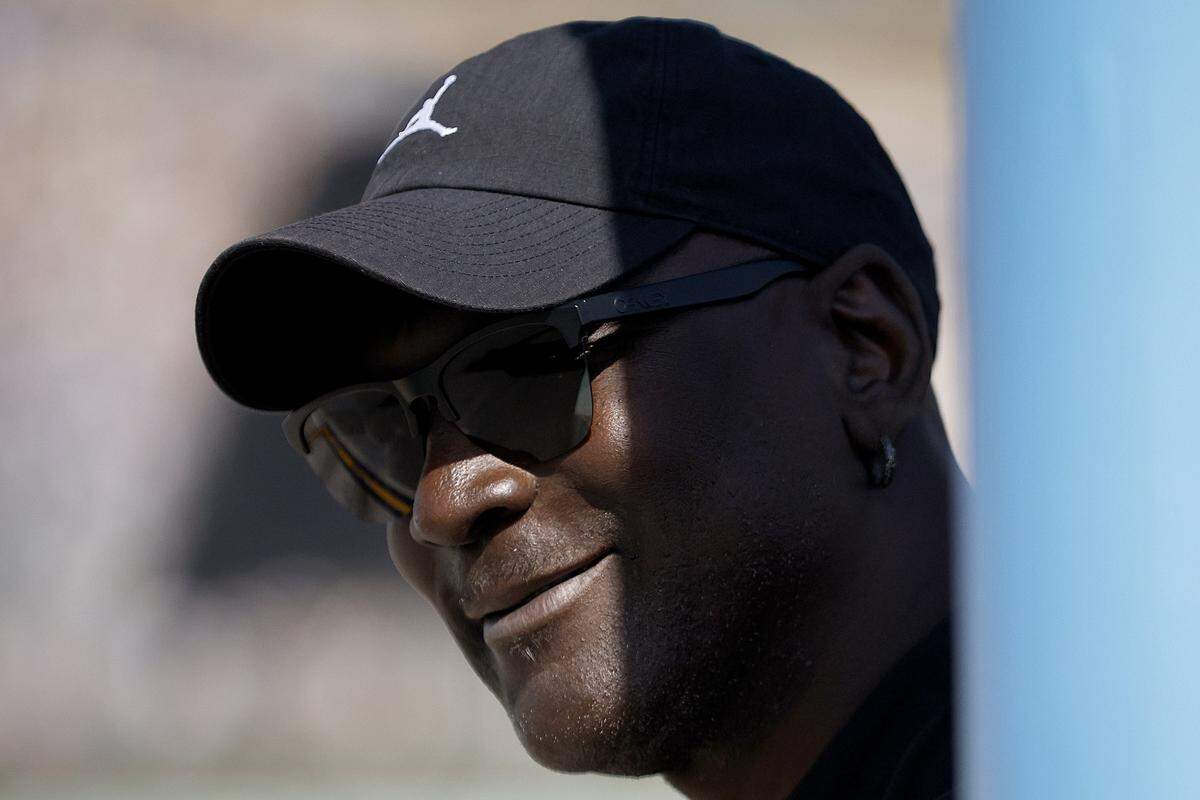
The trial’s testimony stretched over eight full days in Charlotte. I followed it closely and sat inside the courtroom for two of those days.
My layman’s impression: NASCAR was losing.
Jordan, Hamlin and Front Row Motorsports head Bob Jenkins were co-plaintiffs, and they all generally came across as likable and believable in their testimony. It didn’t hurt that Jordan is one of the most well-known men in the world due to his hall of fame basketball career. But it wasn’t just that.
That Jordan, 62, could ever be reasonably thought of as an underdog seems hard to believe these days, but this trial was evidence of it. He and his co-plaintiffs were on the side of the struggling race teams trying to make a profit, while NASCAR was “The Man” — lots of money, lots of mystery and a colossus so large that it made for an easy target.
By the time NASCAR got to present its side of the case — which it hadn’t completed at the time of the settlement — it felt a little like the sport was trying to limit the damages more than prove that it’s not an unlawful monopoly.
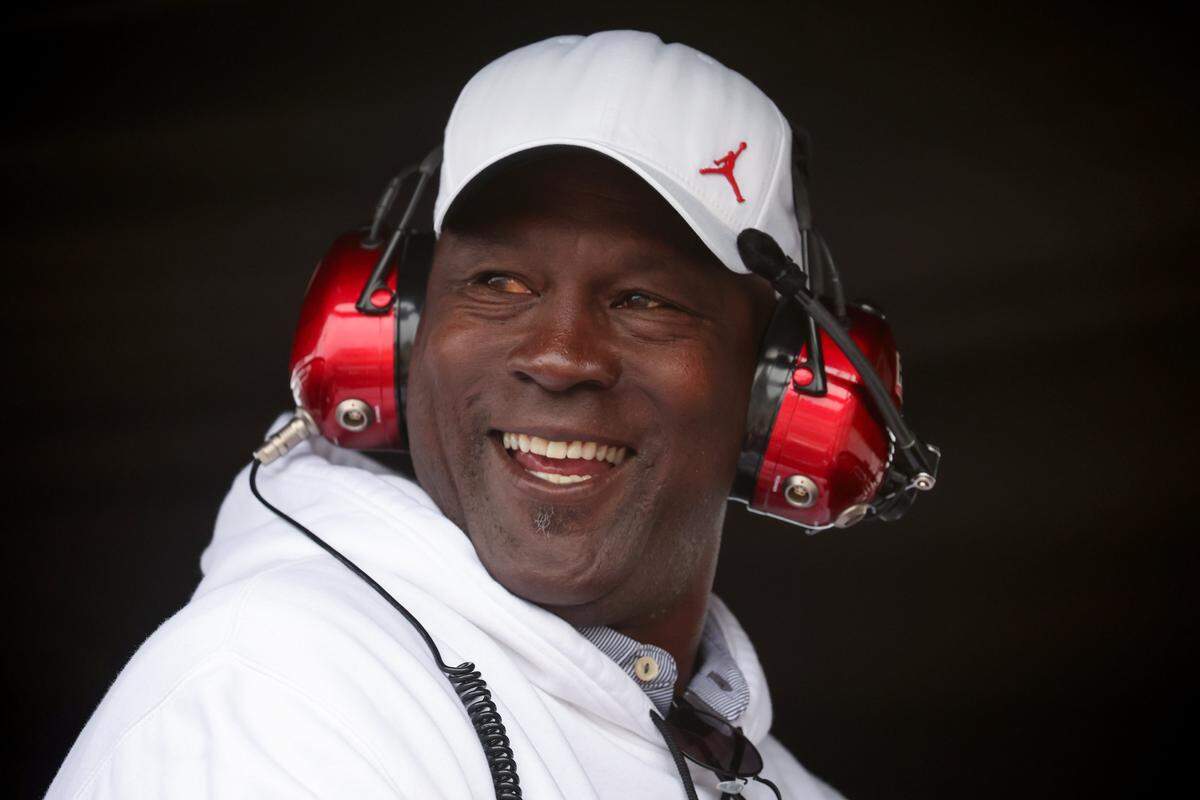
In any case, the settlement was the right thing to do, and the only real wrong part about it was that it didn’t happen months earlier. It was a bruising trial for a sport that doesn’t need any more bruises, and parts of it are going to linger for a long time.
The discovery process had shown internal NASCAR communications in which Steve Phelps, NASCAR’s commissioner, called legendary NASCAR team owner Richard Childress a “stupid redneck who owes his entire fortune to NASCAR” and said he should be “taken out back and flogged.” Those comments were never even brought up during the trial, but they were well-publicized, and you can bet Childress will never forget them.
The charters that the plaintiffs were fighting so hard for, by the way, guarantee the 36 teams that have them a spot in every NASCAR Cup-level race, as well as certain fixed revenues.
Honestly, I never understood why they weren’t permanent already. Re-negotiate the economic terms every few years, sure. But the charters needed to be permanent, just as franchises in other major league sports are. It should have already happened, without this trial. Jordan, Hamlin and Jenkins were on the right side of history on that one.
Let’s not get too deep in the weeds, though, about NASCAR finances. The bottom line is that NASCAR goes on and the race teams caught a break. The settlement seemed to be universally cheered by the NASCAR community Thursday; no one really wanted this protracted legal fight to continue. It’s time to go racing again — the 2026 Daytona 500 is coming up on Feb. 15.
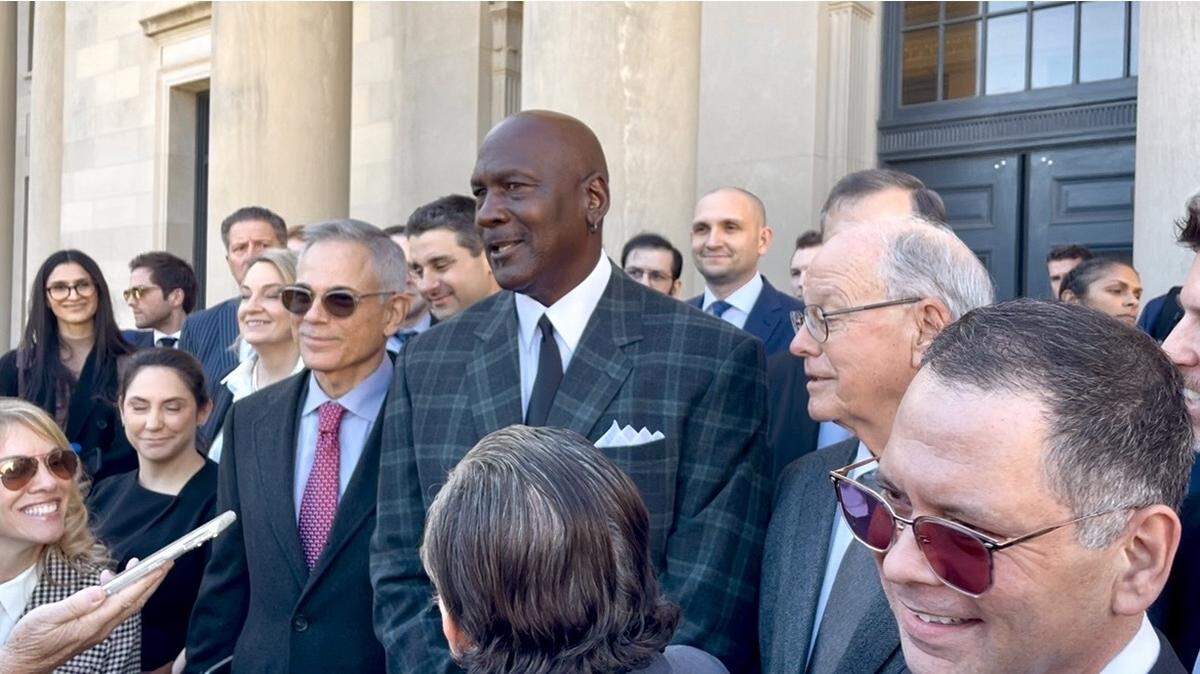
Said France on the courthouse steps as he stood next to Jordan: “We can get back to focusing on what we really love, and that’s racing. ... I feel like we made a very good decision here together.”
“We realized that we could have an opportunity to settle this,” Jordan said, “and we dove in. And we actually did it. Unfortunately, it took us that long. But we got here. That’s all that matters.”
This story was originally published December 12, 2025 at 4:00 AM with the headline "Michael Jordan and NASCAR just settled a bitter lawsuit. Here’s who won and why."