
Florida crocodile relocated 95 miles away was back again 2.5 years later, study shows
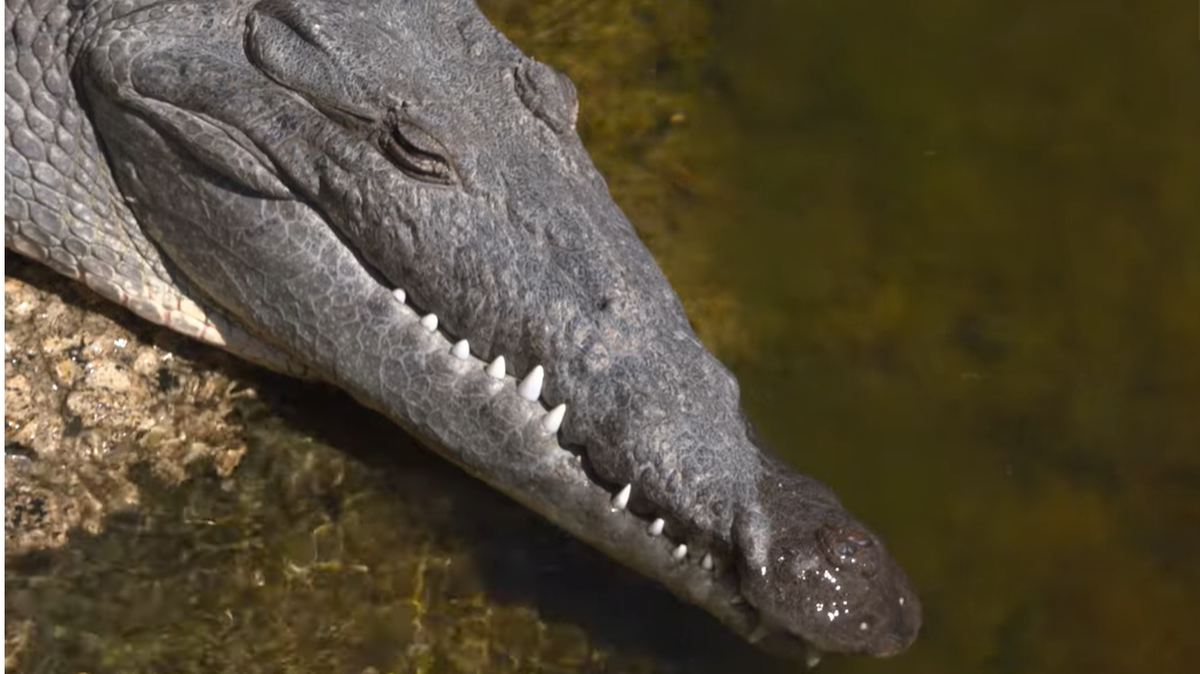
Crocodiles that are trapped and relocated due to conflicts with humans in South Florida have a “remarkable ability to return to their original capture site,” according to a study published in The Journal of Wildlife Management.
Among the most stunning examples cited by researchers was a female crocodile that returned after being moved 95 miles.
“Because of concerns regarding crocodiles returning as well as the stress associated with capture and translocation ... the study concluded that crocodile translocations have limited conservation value in Florida and may only be worth considering after all other reasonable options are exhausted,” the FWC Fish and Wildlife Research Institute reported in a July 14 Facebook post.
That conclusion was reached after researchers attached GPS trackers to 17 Florida crocodiles and relocated seven to see what would happen. The other 10 were released where they were captured to compare their travel habits, officials said.
“Findings showed that although crocodiles have a remarkable ability to return to their original capture site, distance does seem to play a role,” the institute reported.
“Three crocodiles translocated 28 miles or less returned in under two weeks, while three more moved over 68 miles were not documented returning. One female crocodile was translocated 95 miles and was recaptured just (a quarter) mile from its original capture site over 2.5 years after its release!”
The study noted another crocodile relocated 90 miles from its home “may have died attempting to return.” That assumption was reached after GPS data showed it “passively drifted out into the Gulf of Mexico” for three days, then stopped transmitting.
American crocodiles are a federally threatened species, and it is estimated only about 2,000 adult crocodiles survive in South Florida. Males can reach 20 feet in length, “but rarely exceed 14 feet in the wild,” the National Park Service reports.
The translocation study comes as human-crocodile conflicts are increasing, as both populations grow along the South Florida coast, officials said.
Trapping and moving troublesome crocodiles “several miles away” is one method being used to reduce those conflicts. However, the study shows it may be futile.
“We identified two states of characteristic movement patterns,” the study reports. “State one indicated individuals moving slowly and somewhat randomly, and state two indicated individuals exhibiting fast, active directional movement. Translocated individuals were more likely than reference individuals to switch to, and stay in, state two.”
The study did not offer options to translocation, but FWC officials believe one solution is teaching Floridians how to safely coexist with crocodiles, which are known to be “shy and reclusive.”
“The FWC uses every opportunity to educate the public on living with crocodiles (https://bit.ly/3PVKV32) while focusing on public safety and the safety of the crocodiles. Translocations are only used as a last resort to resolve conflicts if other strategies are unsuccessful,” institute officials said.
Currently, the Florida Fish and Wildlife Conservation Commission works with the U.S. Fish and Wildlife Service to determine how to deal with crocodiles of concern.
“We rely on scientific studies like this one to continually evaluate and refine our management practices,” the FWC said. “We assess the history and circumstances of every crocodile complaint before making a management decision to take action.”
This story was originally published July 19, 2023 at 8:10 AM with the headline "Florida crocodile relocated 95 miles away was back again 2.5 years later, study shows."