
Mystery revealed at Florida construction site when ‘very old’ human bones discovered
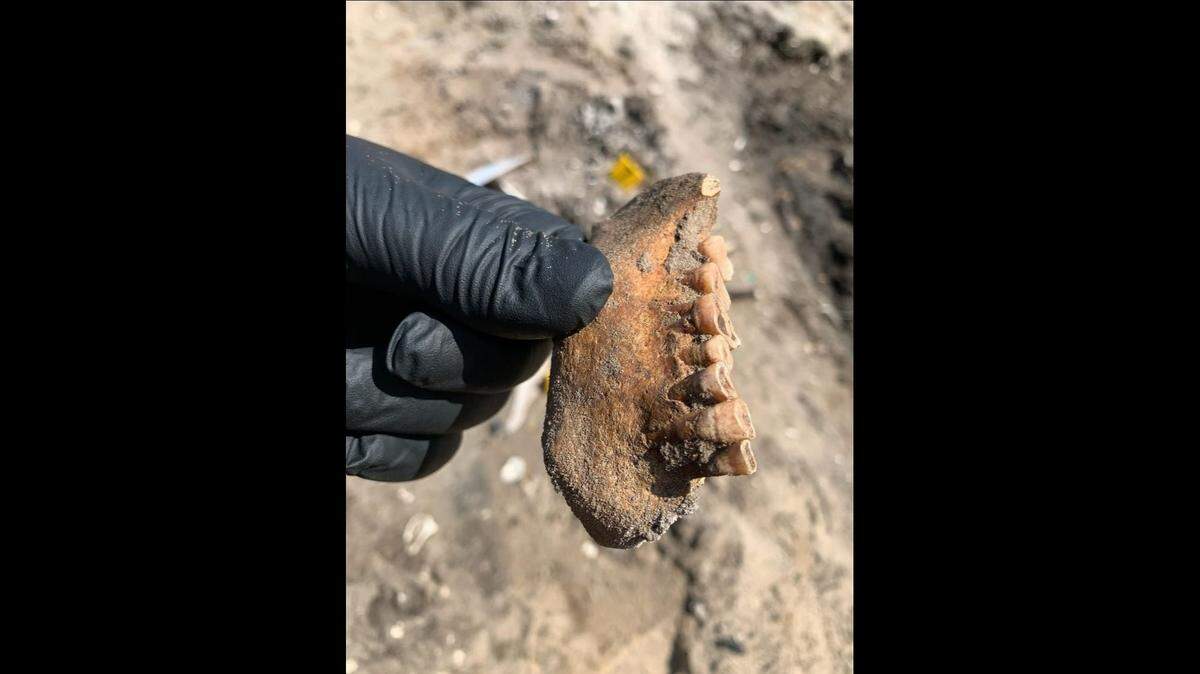
A mystery has been uncovered at a Florida construction site, involving a suspicious collection of bones that turned out to be human.
The remains — including a lower jaw — were found around 11:30 a.m. on Tuesday, April 12, at a worksite on Bonnieview Road in Fernandina Beach, according to the Nassau County Sheriff’s Office. Fernandina Beach is about 35 miles northeast of downtown Jacksonville.
“Construction workers dug up what appears to be human bones,” the sheriff’s office wrote on Facebook. “It appears that the bones have been there for a long period.”
A medical examiner confirmed the bones are human, the sheriff’s office reported April 14.
“The Nassau County Sheriff’s Office believes these are very old bones and they have called in an anthropologist with Florida Gulf Coast University to study them and help determine who died, how they died, and how long ago this individual may have been deceased,” the sheriff’s office said.
“Once these bones have been analyzed we will be able to provide an update to the public.”
The possibilities could be historical in nature. Fernandina Beach, on Amelia Island, has a dramatic past that includes periods under the control of the Indigenous Timucuan people, Spanish and French explorers, British colonists and pirates.
It’s suspected the earliest North Americans to live on the island moved there around the year 1,000, according to Exploring Florida.
“The first recorded European visitor to the island was a French Huguenot explorer who arrived in 1562, but Spanish invaded just three years later and established a mission on the island they called Isla de Santa Maria,” Visit Florida says.
“The island came into British possession in 1763, with the Treaty of Paris; then, 20 years later, the Second Treaty of Paris ceded it back to Spain. The town of Fernandina was plotted in 1811 and named after King Ferdinand VII of Spain.”
This story was originally published April 14, 2022 at 11:56 AM with the headline "Mystery revealed at Florida construction site when ‘very old’ human bones discovered."