
Red Cross declares ‘first-ever’ national blood crisis, pleads for donations amid pandemic
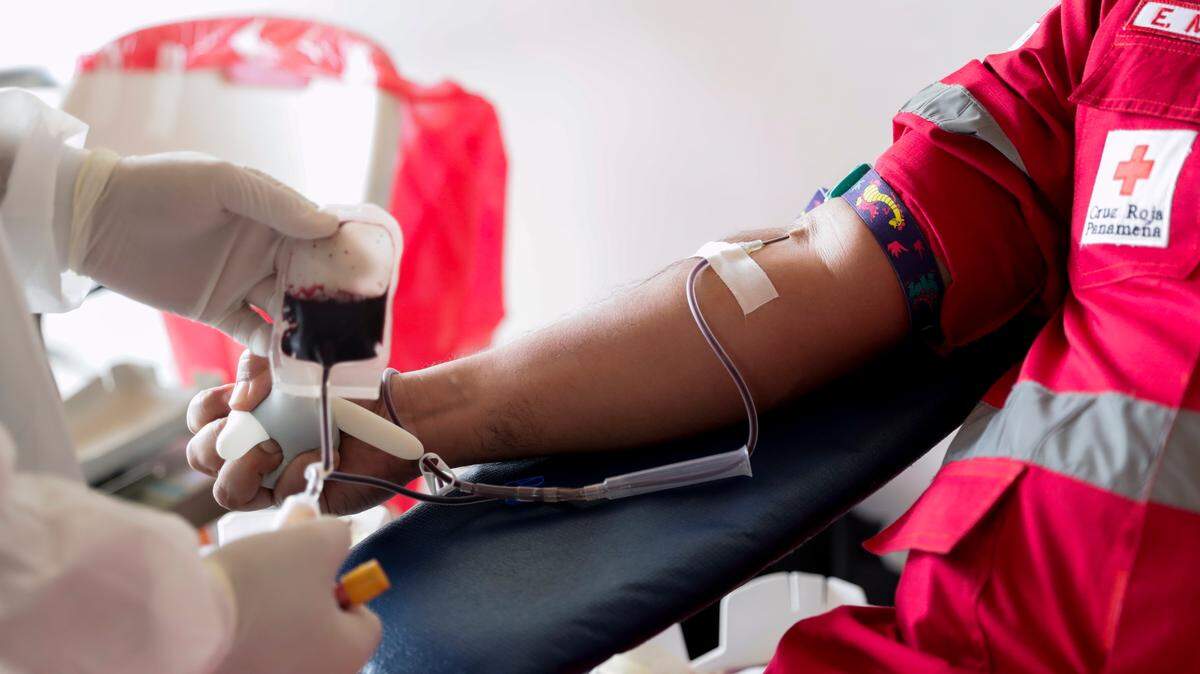
The Red Cross has declared its first-ever national blood crisis, with the organization saying it’s experiencing its worst blood crisis in over a decade.
The shortage poses a risk to patient care and forces doctors to make difficult decisions about who receives transfusions and who has to wait, according to the Red Cross’ website.
According to the Red Cross, the shortage has been exacerbated by the COVID-19 pandemic, which has caused a significant decline in donor turnout — the organization said on its website that the pandemic led to a 62% drop in college and high school blood drives, and that drives continue to be canceled because of bad weather, illness and staffing issues.
“If the nation’s blood supply does not stabilize soon, life-saving blood may not be available for some patients when it is needed,” according to a joint statement from the Red Cross, America’s Blood Centers and the Association for the Advancement of Blood and Biotherapies.
The Red Cross’ website added that in some places, blood centers have less than a one-day supply of critical blood types and have struggled with the shortage for weeks.
“While some types of medical care can wait, others can’t,” Red Cross Chief Medical Officer Dr. Pampee Young said in a statement. “Hospitals are still seeing accident victims, cancer patients, those with blood disorders like sickle cell disease, and individuals who are seriously ill who all need blood transfusions to live even as omicron cases surge across the country.”
All blood types are urgently needed, the organization said, but the ones that are in the most demand are O positive and O negative. The Red Cross is also asking for platelet donations.
O positive is the most transfused blood type, according to the Red Cross, and can be transfused to Rh-positive patients of any blood type. O positive is also the most common blood type, belonging to 38% of the population, the organization’s website said.
O negative is considered the universal blood type and is the go-to for emergency personnel when there isn’t enough time to determine a patient’s blood type before helping them, the website said.
Platelets are cell fragments that allow the blood to clot properly, helping the body to stop bleeding and to heal wounds properly, according to the National Cancer Institute. Platelet treatments are given predominantly to cancer patients and must be transfused within five days of blood donation, the Red Cross said.
To motivate potential donors, the organization is offering a trip to this year’s Super Bowl. People who donate blood between Jan. 1 and Jan. 31 will be entered to win two tickets to the event in Los Angeles, the Red Cross said on its website. The prize also includes round-trip airfare and hotel accommodations.
Donors will also be entered to win the “Big Game at Home” package, which includes “a smart, short-throw laser projector; projector screen; sound bar; subwoofer; gift card for tech support with installation and a $500 e-gift card,” the website says.
The Red Cross is also in need of volunteers to work at blood drives and help transport blood to hospitals around the country.
Despite the shortage, the Red Cross, based on rules from the U.S. Food and Drug Administration, still prohibits blood donation from LGBTQ+ men who have had sexual contact with another man in the last three months. The organization also prohibits people who have taken the HIV prevention drugs PrEP or PEP within the last three months from donating blood.
The waiting periods have long faced criticism from members of the LBGTQ+ community, who say the rules don’t reflect the advancements made in technology to screen for HIV over the past several decades, NBC News reported.
Other eligibility guidelines can be found on the Red Cross’ website.
This story was originally published January 11, 2022 at 11:55 AM with the headline "Red Cross declares ‘first-ever’ national blood crisis, pleads for donations amid pandemic."