
‘Mind-blowing’ study brings activity to a pig’s brain hours after its death
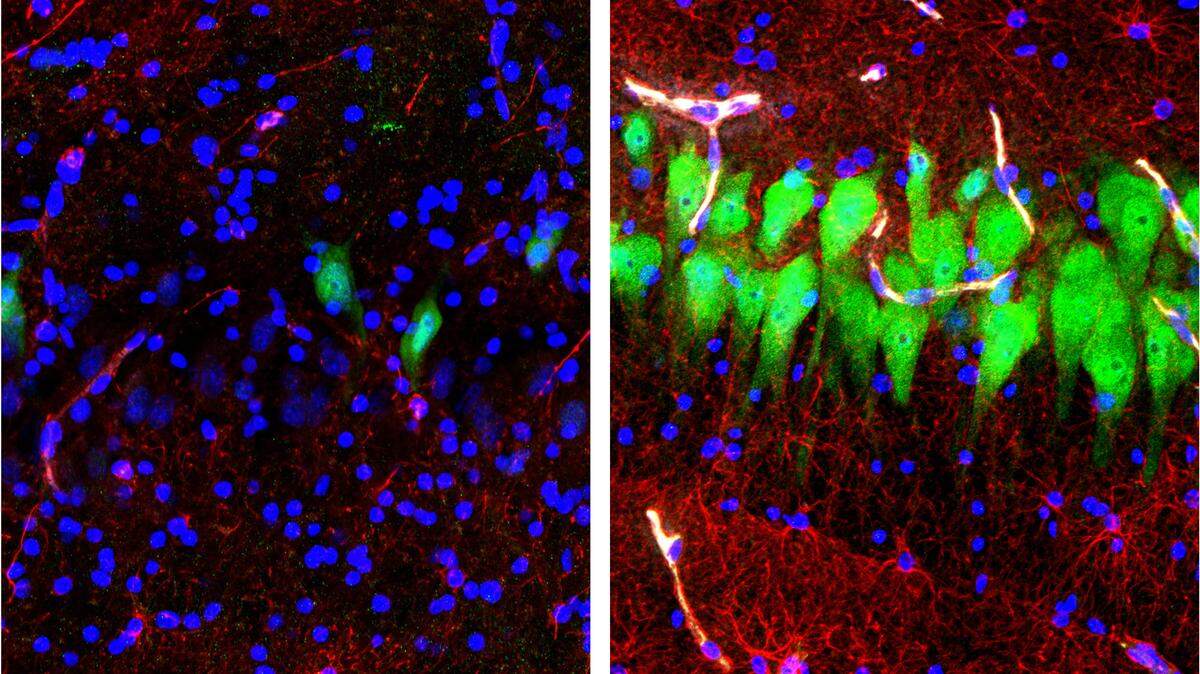
Four hours after a pig was slaughtered at a meatpacking plant, Yale researchers were able to revive some activity in the pig’s brain, according to the university.
“Circulation and cellular activity were restored in a pig’s brain four hours after its death,” Yale researchers reported, according to a news release from the university. That’s “a finding that challenges long-held assumptions about the timing and irreversible nature of the cessation of some brain functions after death.”
The study was published in the journal Nature on April 17, and titled “Restoration of brain circulation and cellular functions hours post-mortem.”
That activity and functionality was restored in “the brains of decapitated pigs for at least 10 hours after death,” Gizmodo reported.
Neuroscientist Nenad Sestan’s system, called BrainEx, was connected to brains removed from pig skulls four hours after they were killed and after “severe oxygen starvation,” Gizmodo reported.
“The system pumped synthetic blood and other compounds into the disembodied organ, restoring partial functionality for a period of six hours,” Gizmodo reported.
Sestan’s team of searchers connected a total of 32 pig brains into the BrainEx system, the Atlantic reported, and it prevented those brains from degrading.
“It restored flow in their blood vessels, which once again became sensitive to dilating drugs,” the Atlantic reported. “It stopped many neurons and other cells from dying, and reinstated their ability to consume sugar and oxygen. Some of these rescued neurons even started to fire.”
But, Sestan said, this does not mean those brains were brought back to life, according to NPR.
“This is not a living brain,” he told NPR, “but it is a cellularly active brain.”
Still, the work showed that “cell death in the brain occurs across a longer time window than we previously thought,” Sestan said, according to the Associated Press.
The researchers did not observe any “organized electrical activity associated with perception, awareness, or consciousness,” co-first author Zvonimir Vrselja said, according to Yale.
And that never was the goal, Yale reported.
“The researchers were prepared to intervene with the use of anesthetics and temperature-reduction to stop organized global electrical activity if it were to emerge,” co-author Stephen Latham said in the Yale news release. “Everyone agreed in advance that experiments involving revived global activity couldn’t go forward without clear ethical standards and institutional oversight mechanisms.”
Nita Farahany, a “leading scholar on the ethical, legal, and social implications of emerging technologies,” called the study “mind-blowing,” according to NPR.
“My initial reaction was pretty shocked,” she said, according to NPR. “It’s a groundbreaking discovery, but it also really fundamentally changes a lot of what the existing beliefs are in neuroscience about the irreversible loss of brain function once there is deprivation of oxygen to the brain.”
Yale says there are no plans for “immediate clinical application,” but the research results “may one day be able to help doctors find ways to help salvage brain function in stroke patients, or test the efficacy of novel therapies targeting cellular recovery after injuries.”
First, researchers are working to see if they can keep brain functions working for longer than six hours after treatment, which would be needed for advanced research uses, the AP reported.