
His sober home didn’t allow drugs — unless you had sex with him, Massachusetts prosecutors say
The Roxbury, Massachusetts, sober home was meant to be a place for recovering drug and alcohol addicts to kick the habit.
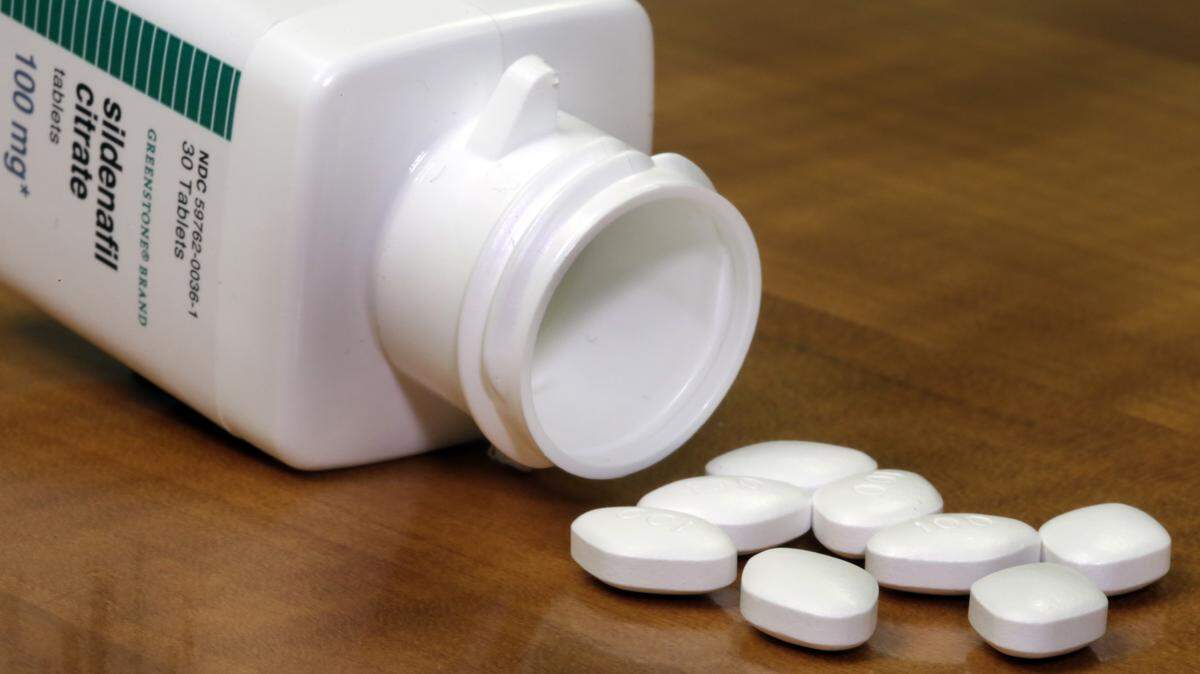
But in November 2017, authorities raided 57-year-old attorney David Perry’s nonprofit recovery facility — and inside, they discovered it was hardly a “sober home.” The facility and Perry’s home were loaded with cocaine, fentanyl and methamphetamine, as well as an assortment of prescription drugs like generic Viagra, generic Cialis and Clonazepam, an anti-anxiety medication, according to the Massachusetts Attorney General’s Office.
Perry was arrested in November and was arraigned Wednesday in a Massachusetts court on charges that he provided those drugs to the men at his facility in exchange for sex, according to Attorney General Maura Healey.
Beyond drugs, Perry exploited the residents for sex by offering them legal help, free rent and cash, according to prosecutors. Perry had sex with the men at his personal room at the Roxbury facility (which he owned and operated), and at his own home in Reading, prosecutors said.
Perry pleaded not guilty in Suffolk Superior Court on Wednesday. His bail was set at $10,000, the Attorney General’s Office said. He will be monitored by GPS and confined to his home. He's also barred from going to the sober home.
“We plan on vigorously defending against each and every one of the indictments,” Peter Pasciucco, an attorney for Perry, told the Boston Globe.
Court documents obtained by the Globe said the “criminal scheme was designed to keep male addicts hooked on drugs and keep them as residents of RES (Recovery Education Service) where Perry would profit off them financially and have unfettered access to them for sex.”
Prosecutors said they caught Perry after he went to police in December 2016 reporting a person for stealing his watch, the Globe reports. But then police learned the person in question had been invited into Perry’s home “to participate in a sex party with other men,” according to prosecutors. The person described “almost nightly” parties, full of sex and drugs that were swapped for sex.
Because it was a sober house, some of the men living there had to submit to drug tests — and Perry would lie to probation departments about their drug use, prosecutors said, claiming residents had been tested for drugs and had clean urine samples. Some of those residents were also Perry's legal clients, according to the Attorney General’s Office.
A Massachusetts grand jury indicted Perry earlier this month on 15 counts of evidence tampering, seven counts of conspiracy to distribute illegal drugs, six counts of possession of illegal class B, C and E substances and six counts of sex for fee.
He had already been indicted in February on one count of distributing fentanyl and one count of conspiracy to distribute illegal drugs, the Attorney General’s Office said.
But that’s not the only trouble facing Perry: He was indicted in November on separate charges after prosecutors in Middlesex County said he smuggled Suboxone, an opiate treatment drug, into the county’s jail — twice using his attorney-client relationship to pass narcotics to an inmate there, according to the District Attorney’s Office.
It’s not Perry's first fall from grace, either.
Perry had ostensibly recovered from addiction after convictions in the late 1990s and early 2000s for driving under the influence of drugs and conspiracy to possess cocaine with the intent to distribute, according to court records. Following those convictions, though, he successfully petitioned Massachusetts to let him practice law again. A panel praised him as a model for others in his position for having “recognized, acknowledged, and accepted responsibility for what he has done wrong.” The panel also said he “credibly described what he has done to avoid relapse.”
A 2015 Boston Globe article about Perry — “Inspiring journey from addiction to redemption” — followed Perry as he was readmitted as a member of the bar: “The last 13 years have literally been life-changing,’’ Perry told a judge who had sentenced him, attributing his recovery to court-provided probation services. “I’ve maintained that path. I’ve maintained that dedication. I’ve maintained my recovery.’’
His next Suffolk court appearance is set for May 21, prosecutors said.
This story was originally published May 10, 2018 at 8:49 PM with the headline "His sober home didn’t allow drugs — unless you had sex with him, Massachusetts prosecutors say."