
Longtime Sedgwick County Zoo director remembered as ‘a champion for our industry’
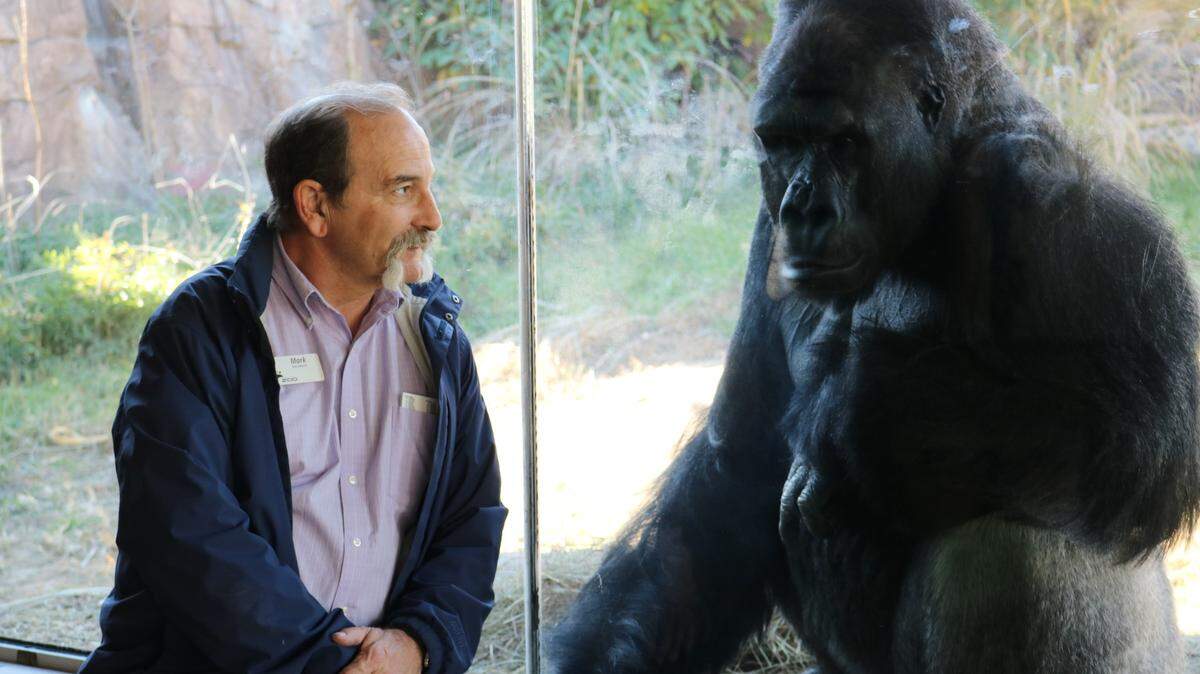
There’s an old joke in the zoo business that workers get into the animal field because they don’t like humans.
That wasn’t the case with longtime Sedgwick County Zoo executive director Mark Reed, whom current president and CEO Scott Newland met as a teenage volunteer at the zoo in 1989.
“He would talk to anyone anywhere anytime about the zoo,” Newland said. “He really was a champion for our industry.”
Indeed, Reed, who died Aug. 8 at age 75, was known in zoo circles worldwide and got a lot of attention for the zoo, too.
“He pretty much put the zoo on the map,” said businessman Barry Schwan, who served on and off the zoo board for years.
In Reed’s 37 years at the zoo, 25 of which he was director, “It grew, obviously, immensely along with help from the county,” Schwan said.
“It is really amazing what we have here and how we stack up against other larger communities,” Newland said. “And that is a direct result of Mark’s passion and Mark’s desire to have something world class for us here in Wichita.”
Newland described Reed as being like an M&M: hard on the outside and a big softie on the inside.
Schwan said Reed “would tear up and get broken up” when he talked about animals who had died.
“To me, that’s what made him the leader,” Schwan said. “When Mark Reed talked about the zoo, you got excited even if you weren’t an animal person or even had been to a zoo.”
Reed was known for saying, “If I’m having a bad day, I just get up and walk through the zoo,” and he advised others to do the same because, he asked, how can you be down when you’re with animals?
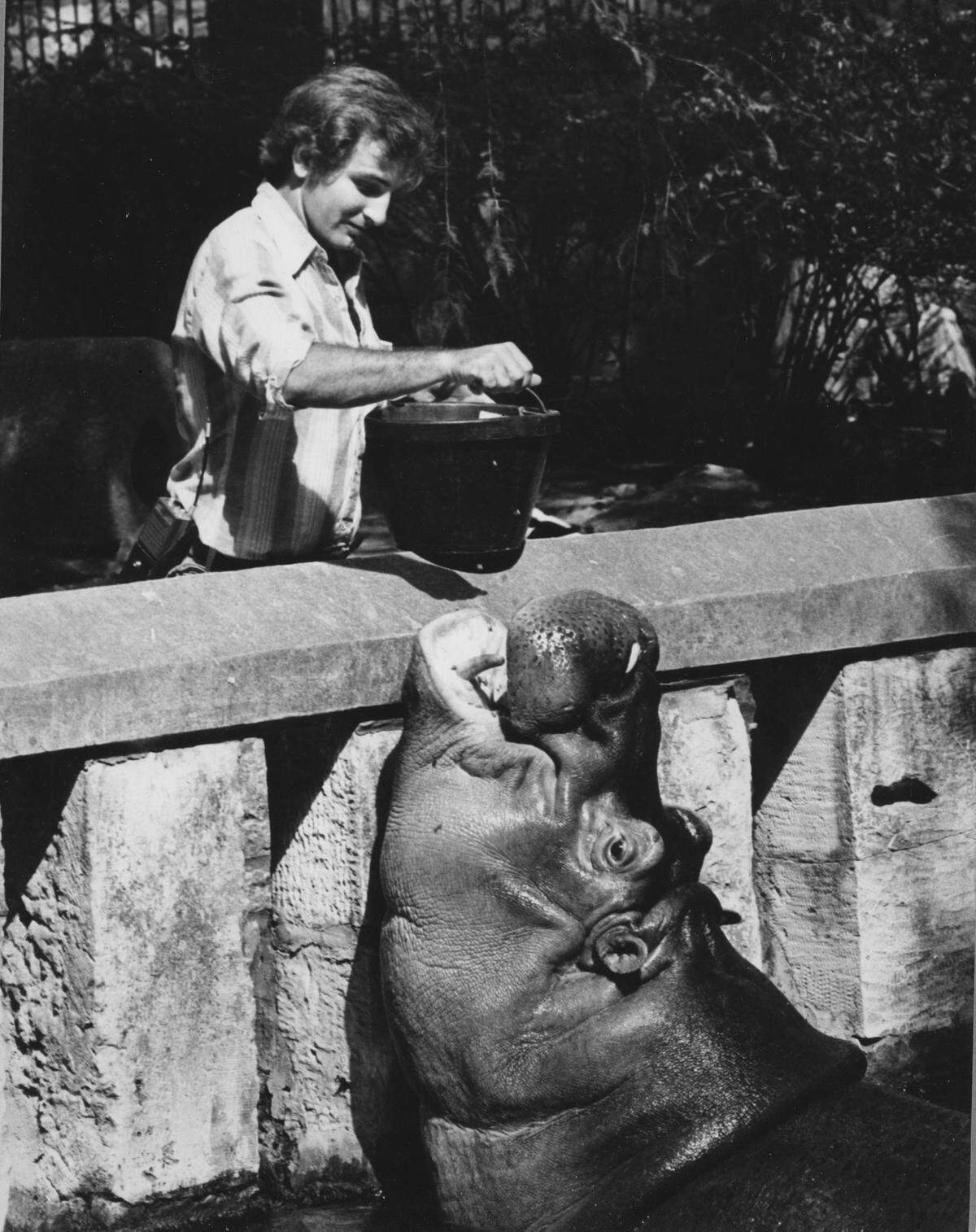
Rhinos and pigs, exotic or domestic, were his favorites, Newland said.
Schwan said when Reed retired in 2016, he immediately and purposefully moved to Delaware in a step he saw as helping the zoo flourish.
“I’m too emotionally attached, and the next director doesn’t need that from me,” he said.
Schwan said “that just shows you how much he loved it.”
A shot of adrenalin
A native of Portland, Ore., Reed got an early education in animals and zoos thanks to his father, Theodore Reed, the one-time chief veterinarian at the Portland Zoo, now known as the Oregon Zoo, who later became director of the National Zoo in Washington, D.C.
Though not from Kansas, Mark Reed spent summers here at his grandparents’ farms and was the third generation of his family to graduate from Kansas State University.
Longtime Sedgwick County Zoo deputy director Jim Marlett came to know Reed while Reed was working at the San Antonio Zoo, and they had some conversations about Arabian sand gazelles, which San Antonio had and Sedgwick County was getting.
Then the two met at a conference. At the time, Marlett was in another position, and he eventually recommended Reed when the assistant director position came open. The two ended up working side by side for decades as they were promoted to the zoo’s No. 1 and 2 positions.
“I tended to think of Mark as the accelerator pedal and me as the brakes,” Marlett said. “You’ve got to have both to drive a car, but you’ve gotta have that accelerator to go somewhere.”
Marlett also worked for the zoo’s first director, Ron Blakely, whom he called “a genius in his own right.”
Blakely created the zoo’s original master plan, and Marlett said he thinks “that we’re following that basic master plan to this day.”
“A lot of the foundation of the zoo was laid, but the steam had kind of run out,” he said. “When Mark came, it was like a shot of adrenaline. He just took off and ran, and we would try to keep up.”
Marlett said Reed’s “wild enthusiasm,” which he referred to as his simultaneously best and worst traits, had the ability to ignite people.
Longtime zoo volunteer and former board member Sheryl Wohlford said Reed “had this way of selling you on what he wanted.”
During board meetings, she said, “Occasionally there could be a detail or two left out that maybe, maybe, was a little bit strategic on his part.”
She said he’d get people on board and then reveal those one or two key missing details.
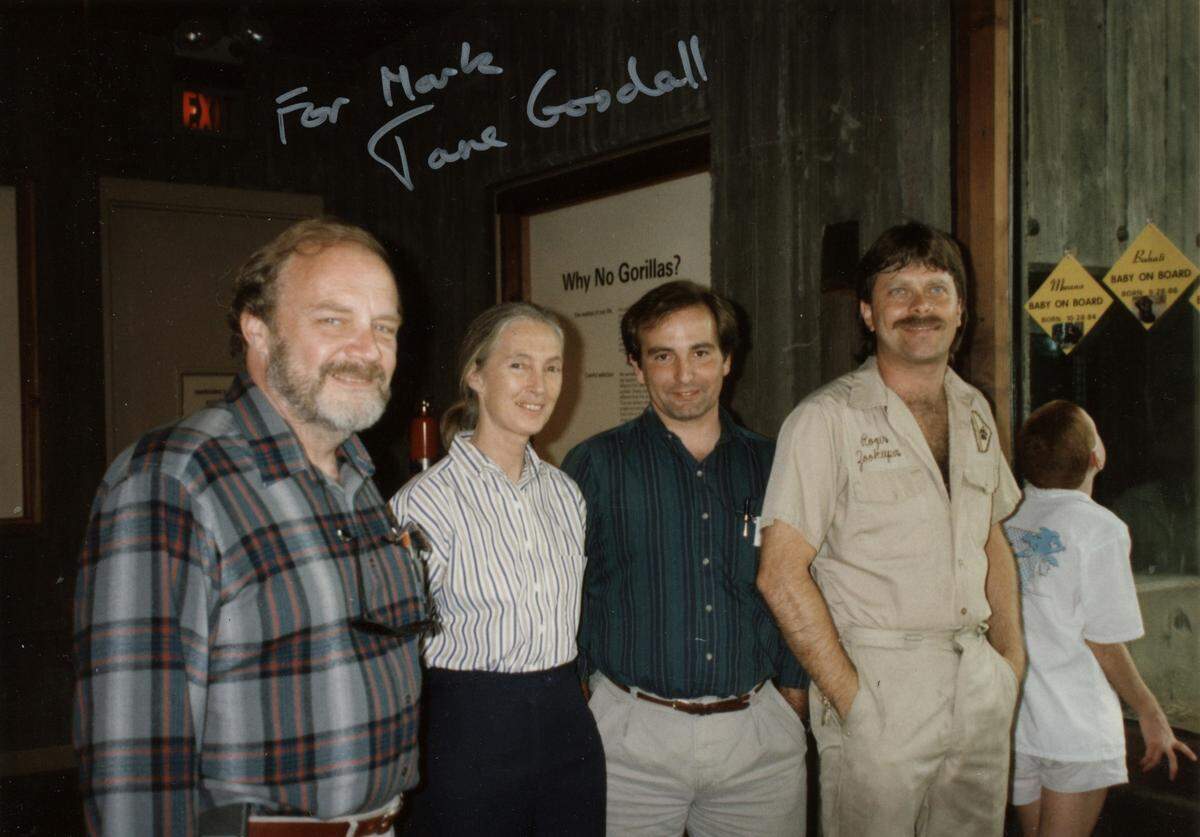
Reed never let up on the throttle, Marlett said, both in the figurative and literal senses. It was rare for him to not get pulled over for a speeding ticket on his way to pick up animals or see other zoos, though he often talked his way out of them.
“He seemed to have a golden tongue.”
However, one time, he got two tickets before even leaving the state.
“He was a short guy,” Marlett said, “but, man, he could cover ground.”
On his “grand rounds,” which is what European zoos call walking around to take a critical look at zoo properties, he walked so fast that staff members would lag behind.
“He would turn around and say, ‘Walk and talk, people, walk and talk.”
Reed loved visiting other zoos, Marlett said.
“I can’t tell you how many zoos Mark has been locked in because he just wanted to see one more thing.”
Top priority
Marlett said he never wanted to be the zoo’s director, so “keeping Mark alive was high in my priorities.”
He saved Reed’s life twice in a couple-week period following one Halloween when some miniature Snickers were sitting dangerously about.
Marlett said Reed was getting wound up over something as he popped a little Snickers in his mouth and then “made noises that I swear to God I’ve never heard come out of a throat in my life.”
He performed the Heimlich maneuver “and, by golly, it worked.”
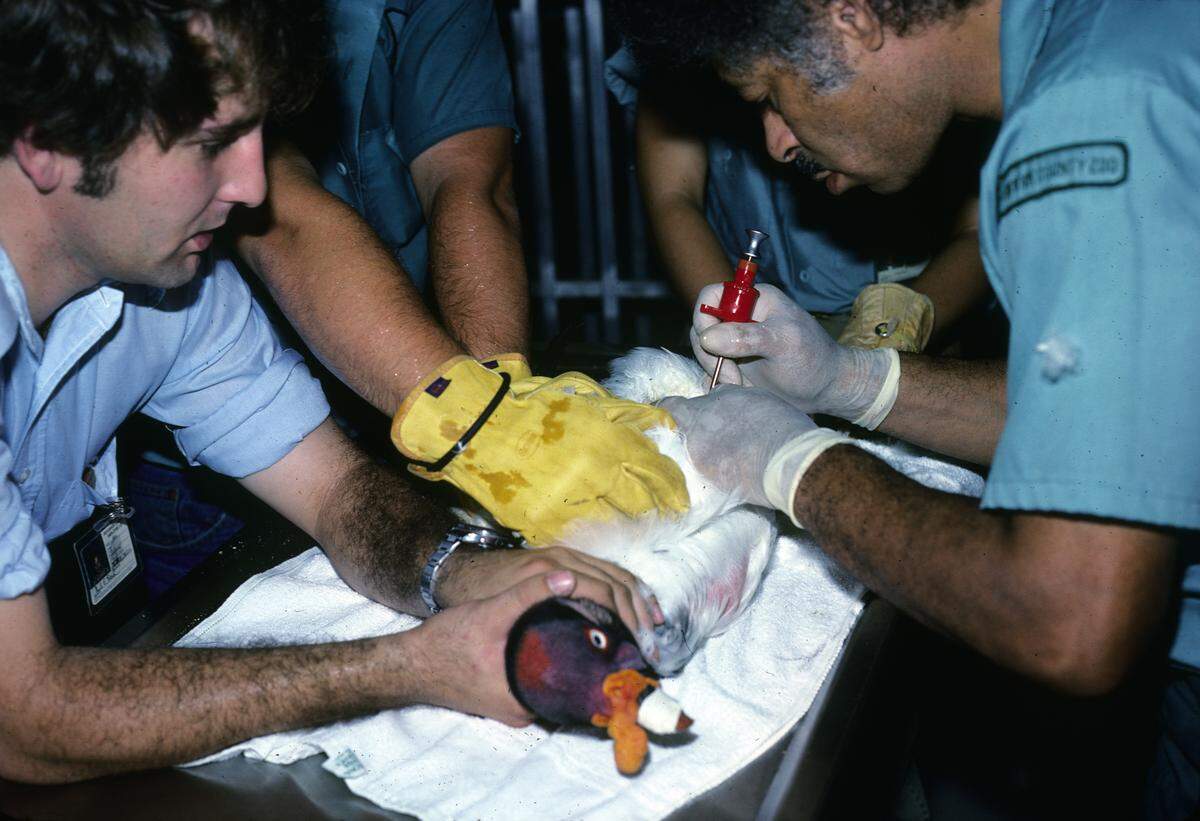
A couple weeks later, curators were meeting in Marlett’s office, and Reed dropped in, got excited again “and again stuffed that thing in his mouth, made that sound, and I Heimliched him there, too.”
Schwan said that “you could just kind of feel where he wanted to take the zoo. It would just come oozing out of any conversation you had with him.”
His humor and zest for life were omnipresent, too.
There was never a meeting — and Reed spoke at lots of them, at the zoo and in public — where he didn’t bring up the sex lives of animals. Wolhford said he thought it was funny and would capture people’s attention.
“That was just part of his schtick, right? Animal sex.”
Lasting legacy
There are all kinds of highlights from Reed’s tenure, including 10 new exhibits or facilities, four exhibit additions or renovations and the creation of a master plan for the zoo’s future.
One of his most lasting legacies is how he created exhibits, Wohlford said, including “our ability to get the most out of our money with an exhibit.”
If another zoo could create an exhibit for, say, $20 million, Wohlford said that “we could do it for half of that and have a better exhibit.”
“People still come to see how we do things. To check out Zoobilee. To see how we build an exhibit.”
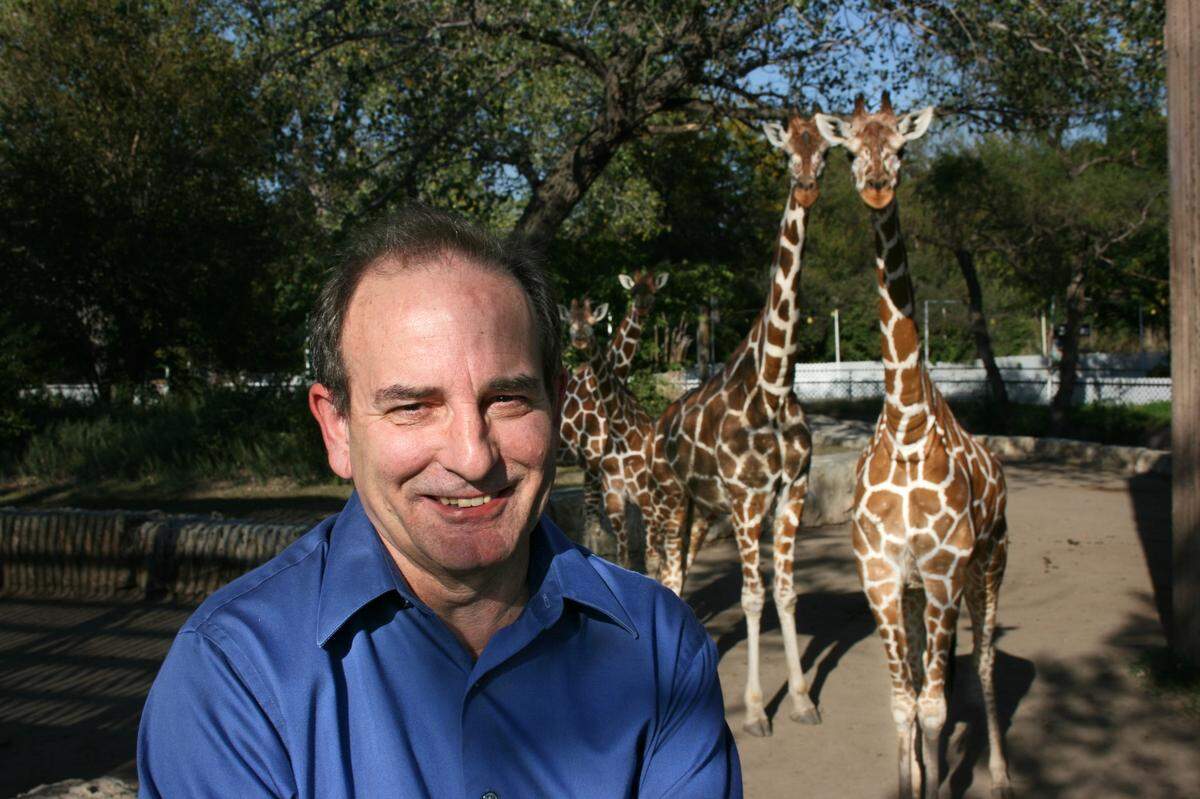
Reed experienced his first bout with cancer while still at the zoo and continued to fight various forms of it while in retirement.
Wohlford said he “kicked cancer to the curb way many more times than most people would.”
He never stopped living or planning, friends said, including taking a trip to Africa not long ago and having another one scheduled this fall.
“He never gave up,” Wohlford said.
Lawyer Stan Andeel, who served on the zoo board and became close friends with Reed, said e-mails from Reed always started off extremely positively, then he’d eventually slip in something like, “Well, they did find a little tumor in my brain.”
When Reed was still at the zoo, Andeel said he’d often have to cut him off in board meetings when an overly enthused Reed would not stop talking.
Though employees had the pressure of keeping up with Reed’s hustle, Marlett said that “there is absolutely no one on earth I would have preferred to work for.”
“I just adored Mark. I really miss him.”
Marlett gave a lot to the zoo himself, but he admitted he never tried to work as much as his friend and boss, who “worked more hours than any human being you could imagine.”
“The community got their nickel’s worth out of Mark Reed.”
%20(1).jpg "12-19used (2) (1).jpg")
This story was originally published August 14, 2025 at 4:45 AM.