USD 259 just finished a major safety project. What that means for your child’s school
When Hamilton Middle School first opened its doors more than a century ago, the idea of locking them during the day would have seemed unnecessary.
“Security entrances weren’t features that were needed or even considered when schools were built in the past,” Wichita Public Schools Superintendent Kelly Bielefeld said Wednesday.
But as conversations around school safety have evolved, so, too, has the architecture of Wichita’s school buildings. On Wednesday, Bielefeld announced that Hamilton, a 107-year-old building along Broadway, is the final campus in the district to receive a secured entry upgrade, closing the loop on a three-year effort to modernize and improve safety across all schools.
“I’m very grateful with the security measures and the added security layers that we have in place now,” Hamilton Middle School Principal Chad Cushenbery said. “... We’re doing things to try to increase safety in the community, but the reality of the situation is also South Broadway is … known for a little bit of a higher crime rate. So it’s important to be able to control who is entering and exiting our buildings.”
Secured entry refers to how a facility or school locks its doors during the day so only people who are authorized can enter. The methods can range from keypads with required codes to ID card readers to doorbell-style locks. Wichita Public Schools opted for the latter at its main entrances because it requires an office employee to approve the entry of each visitor, who must then stop by the school office for registration before entering the rest of the school.
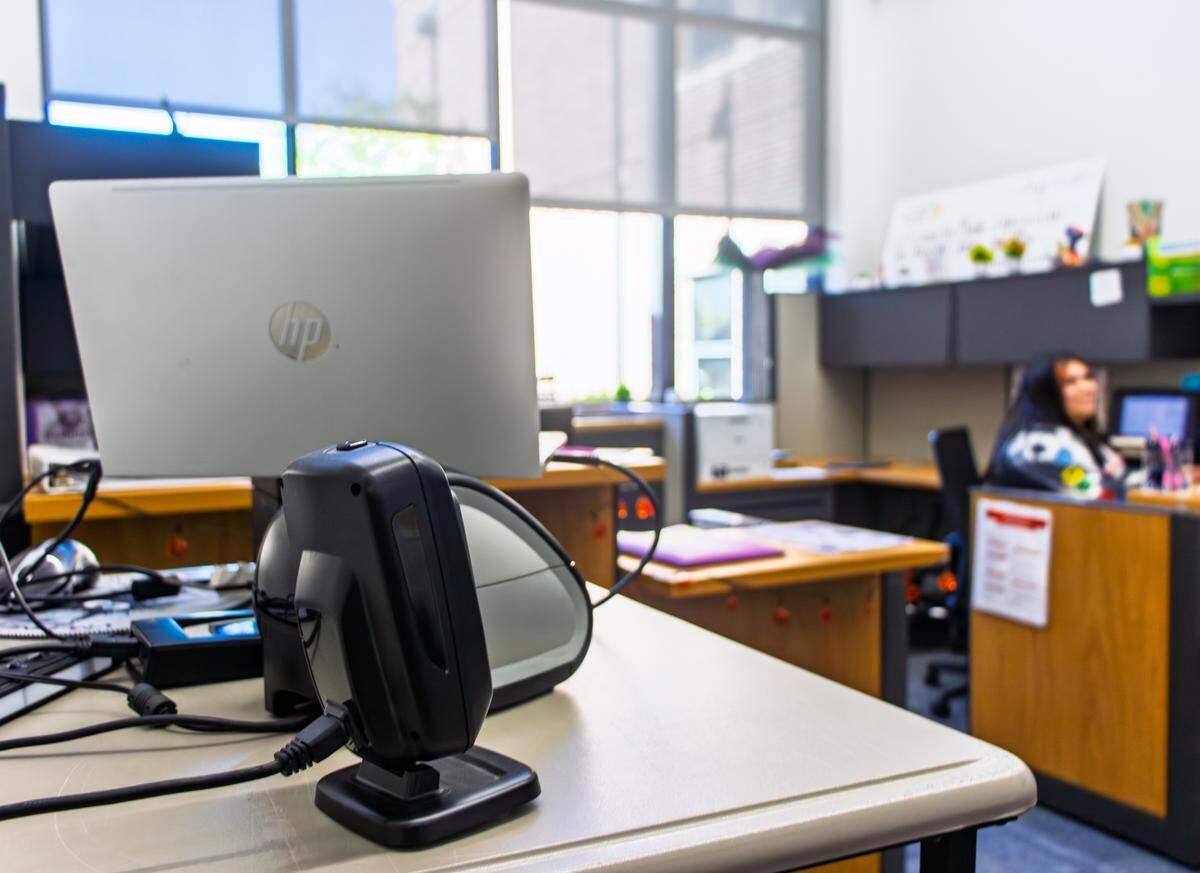
Over the last three years, every building in the district has seen secured entry improvements. At most buildings, relatively inexpensive video doorbell systems were installed, Director of Safety Services Terri Moses said. But 30 buildings — including Wichita North and South high schools, McCollom Elementary School, Minneha Elementary School and Hamilton — required major renovations to their front entry areas.
Many of these schools, Moses said, needed new front offices to be built so that, upon entering the building, there would be a controlled access point for visitors. There, guests are screened while school staff decides whether to grant them access to the main part of the building.
“Specifically in the past, if you visited Hamilton … once the person came into the building, they basically had access to go anywhere in the building, and we didn’t really have a good way to control where they went,” Cushenbery said. “Now, the way it’s set up … you’re buzzed directly into a reception area where you’re greeted by staff, and we’re able to help our visitors before they get into the rest of the building, so we’re able to find out who is here, why they’re here.”
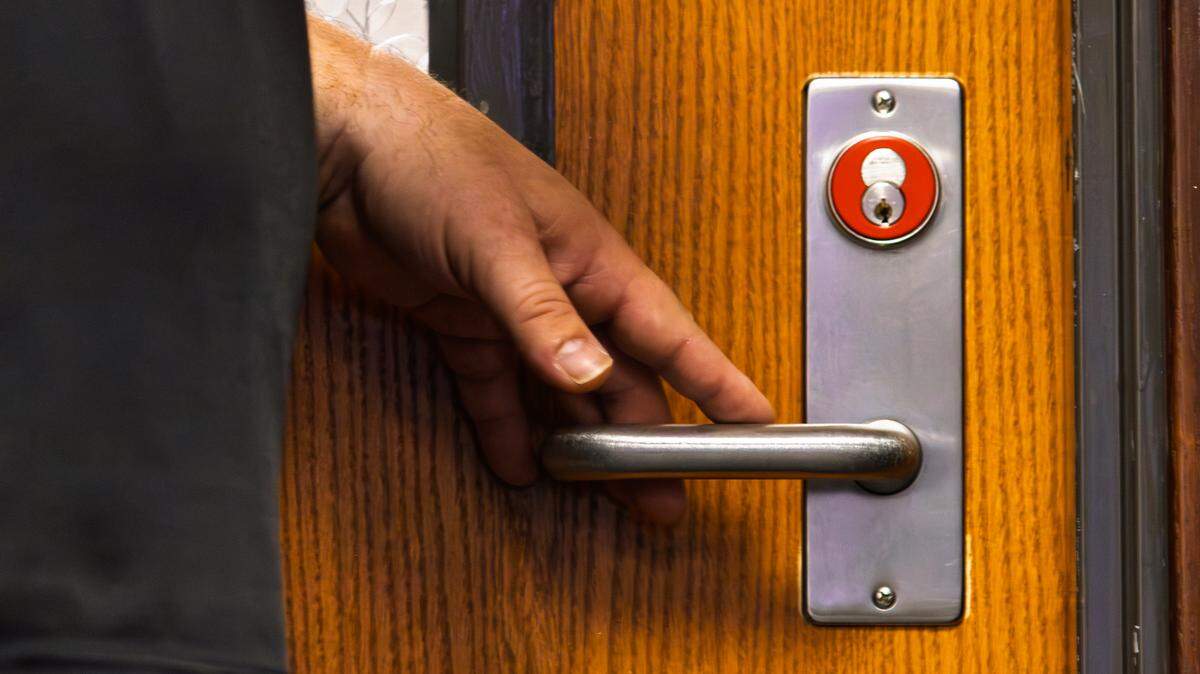
Some schools also saw the installation of red keys and red door locks. These, Cushenbery said, ensure that every staff member can lock and secure any room for any reason.
“Let’s say I’m a teacher and I was on my planning period, and I was down the hall making copies, and all of a sudden, for whatever reason, we needed to secure the building,” Cushenbery said. “I was able to get into a classroom, but unless there was somebody there with a key to that classroom, I wasn’t able to secure the classroom. … Now, no matter where I’m at in the building, I can get into a room. I can take kids into a room if I need to, and I can secure that room.”
In total, the school board allocated $20 million for school safety upgrades with $10.5 budgeted for secured entrances. As the district continues to work with a limited capital budget to make improvements to safety, Bielefeld said, they’ve had to manage spending priorities as they consider whether to ask voters again for a bond issue to improve facilities.
“Because we’ve put safety first, that means other projects have been put on hold,” he said. “While this building is in good shape for its age, the roof here at Hamilton needs attention. They would love air conditioning in their gym, along with other improvements. Schools across the district are in need of improvements like these. We will get to those facility improvements eventually, but our capital resources are covering top priorities, such as student safety and learning and emergencies first.”
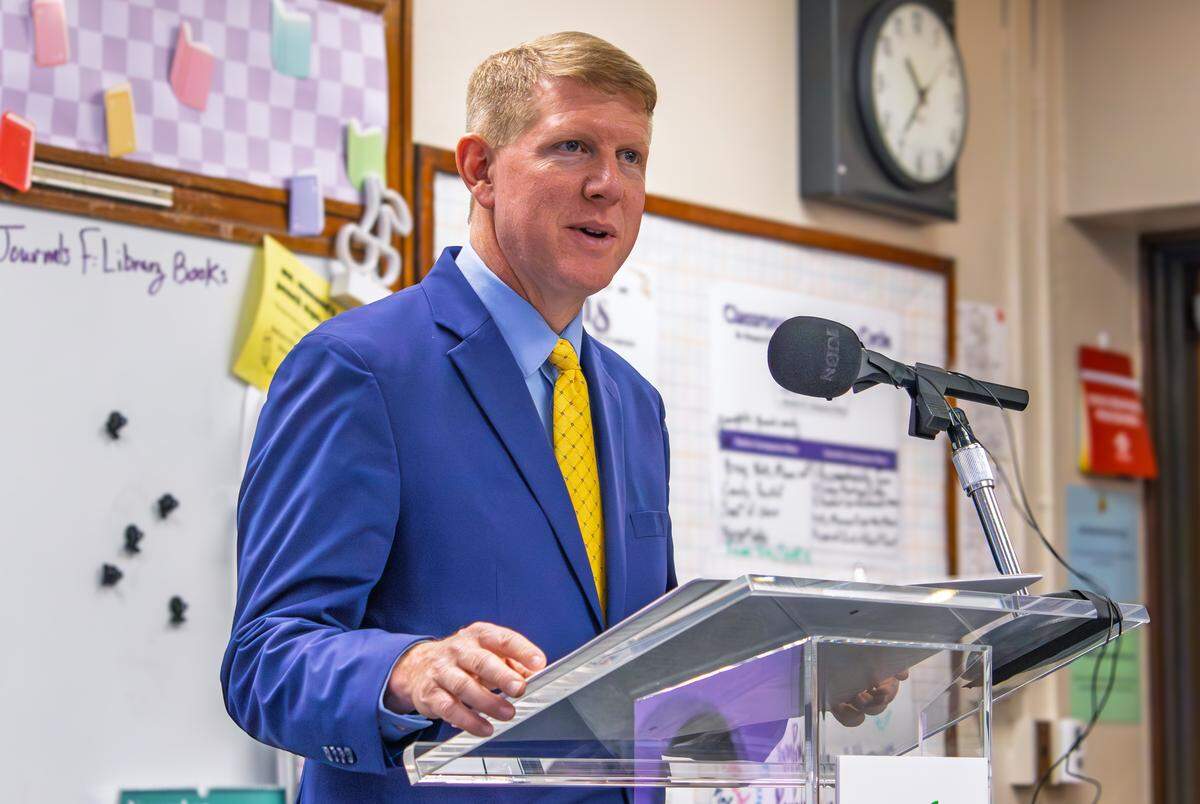
With every school in the district now equipped with a secured entrance, Bielefeld said the work of improving safety and facilities isn’t finished — it’s ongoing.
“Our district’s 150 years old, and there’s a lot of changes that occur over the course of time,” Bielefeld said. “And there’s a need for continually looking at what we need to do to meet the needs of students and their learning environment.”