
Former CEO of Kansas bank embezzled $47 million in crypto scheme. He’s going to prison
The former CEO of a southwestern Kansas bank who embezzled $47 million in a cryptocurrency scheme has been sentenced to 24 years in prison.
Shan Hanes, 53, former CEO of Heartland Tri-State Bank in Elkhart, pleaded guilty in May to one count of embezzlement by a bank officer.
He was sentenced Monday to 293 months in prison followed by three years of supervised release after a federal court hearing in Wichita attended by several dozen people, including victims of the scheme.
Hanes initiated at least 11 wire transfers between May 30, 2023 and July 7, 2023 from the bank into a cryptocurrency wallet with his name on it, according to a report from the U.S. Office of the Inspector General.
“These wire transfers significantly impaired Heartland’s capital and liquidity, causing the bank to become insolvent,” the report said.
Heartland Tri-State Bank was closed on July 28, 2023 by the Office of the State Bank Commissioner.
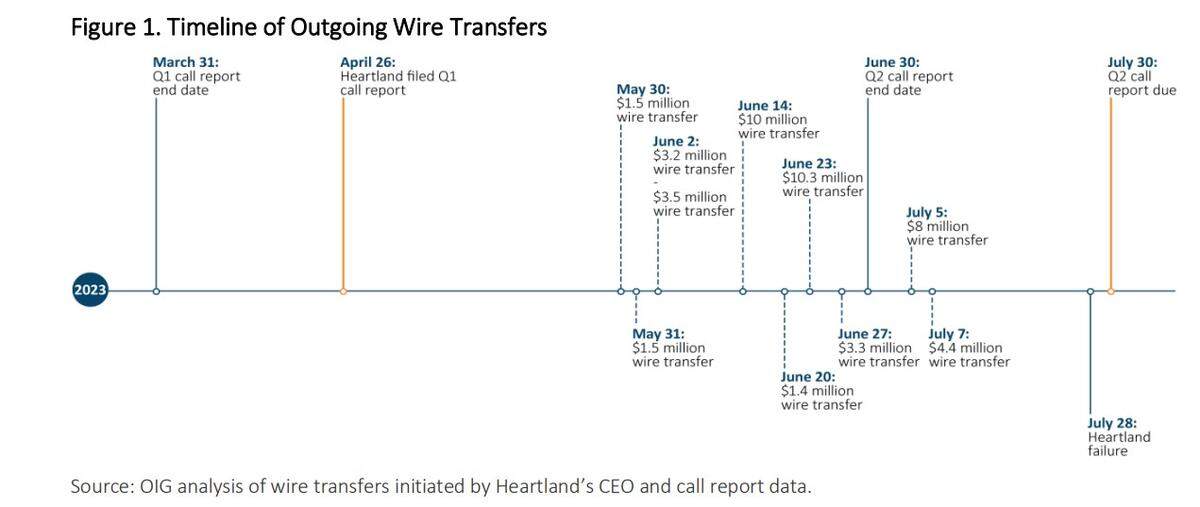
The bank failed because of the CEO’s fraudulent activities and a scheme called “pig butchering,” according to the report from the Office of Inspector General.
A pig butchering scam “involves a scammer convincing a victim (a pig) to invest in supposedly legitimate virtual currency investment opportunities and then steals the victim’s money — butchering the pig,” the U.S. Department of the Treasury’s Financial Crimes Enforcement Network said.
Investors, including residents of Elkhart, lost $9 million in the scheme. Elkhart is a town of just under 2,000 people about four-and-a half hours southwest of Wichita.
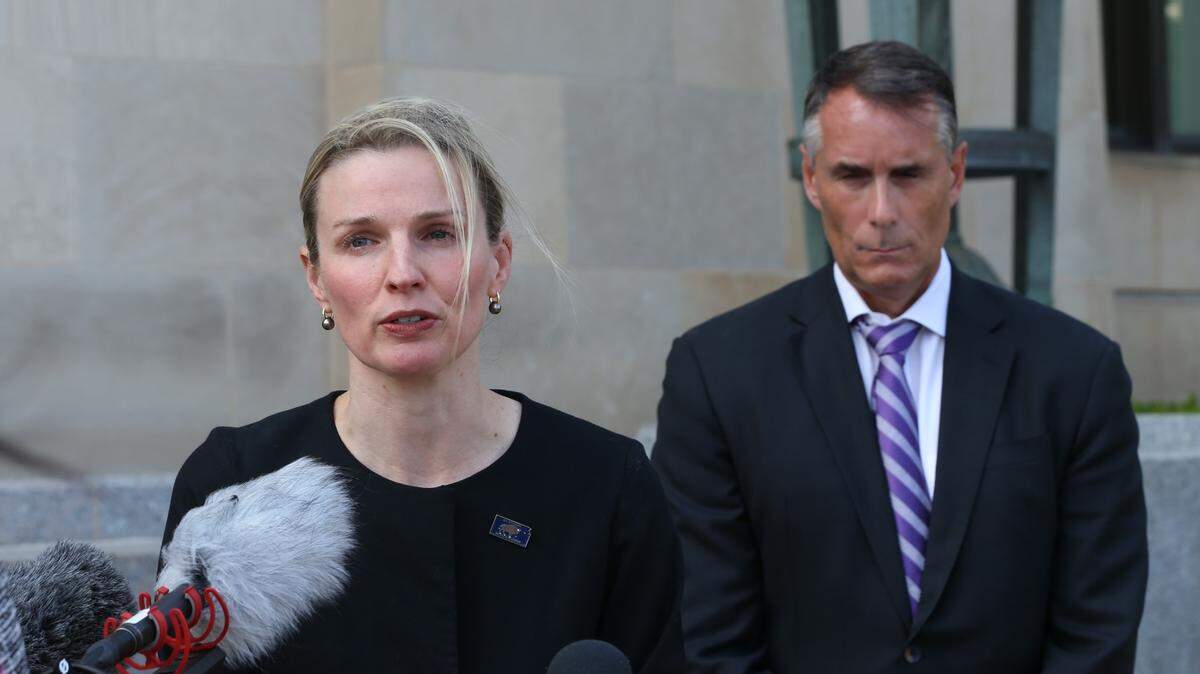
Assistant U.S. Attorney Aaron Smith, who prosecuted the case, said many people may not recoup that money.
“These people lost their retirements, their livelihood,” Smith said.
Several victims of the scheme addressed a packed federal courtroom in Wichita on Monday and described the loss and impact of the bank’s failure.
“Seventy-percent of my retirement, after 30 years of working, is gone because of your dishonesty,” Marla Houtz read from a statement written by her husband, Moe Houtz, and addressed to Hanes. Moe Houtz worked alongside Hanes in an adjacent office for 30 years. He is a shareholder of the bank, a former employee and a public accountant.
Brian Mitchell, a third-generation farmer from Elkhart who said Hanes was a longtime neighbor and friend, spoke on behalf of some of the victims. He said he was not a shareholder at Heartland when it failed, which enabled him to speak.
Asked outside the courthouse if justice had been served, Mitchell said “absolutely.”
“Obviously total justice would be total restitution. ... That’s not going to happen. We know that. But this is the next best thing that could happen,” Mitchell said.
A federal judge ordered that restitution be finalized at a separate hearing in the next 90 days.
“Hanes’ greed knew no bounds. He trespassed his professional obligations, his personal relationships, and federal law. Not only did Shan Hanes betray Heartland Bank and its investors, but his illegal schemes also jeopardized confidence in financial institutions,” U.S. Attorney for the District of Kansas Kate E. Brubacher said.
The case was investigated by the Federal Deposit Insurance Corporation, Federal Reserve Board and the Federal Housing Finance Agency — all a part of the U.S. Office of the Inspector General — and the FBI.