
Weather officials: Wichita spring will feel more springlike than in recent years
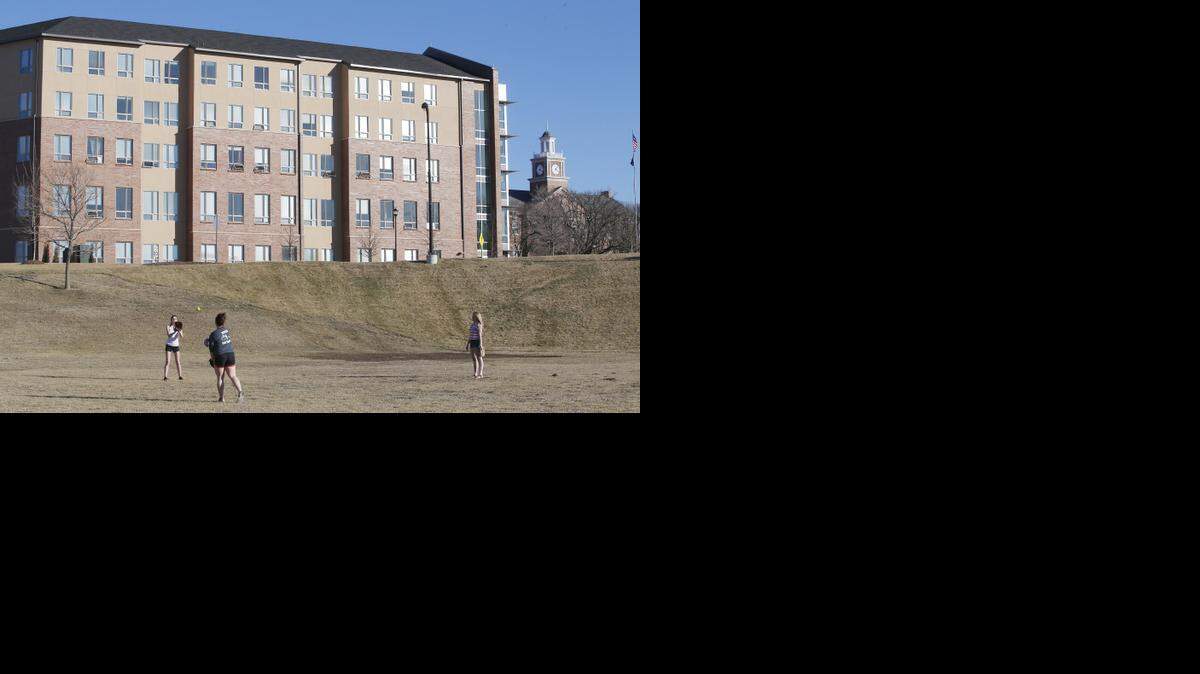
After a couple of chilly springs laced with late snow, Wichita can expect a more typical version in 2015.
But western Kansas may see winter linger a bit longer than other parts of the Sunflower State, according to AccuWeather.
“It’s not going to be warmer than normal but warmer than last year” for Wichita, said Mark Paquette, a long-range meteorologist with AccuWeather.
Measurable snow fell as late as April 14 last year in Wichita, and a trace of snow fell in May the year before that. But forecast models aren’t calling for a repeat.
“I don’t think we’re going to see, in terms of cold and snow, unusual lateness” for Wichita, Paquette said.
The National Oceanic and Atmospheric Administration’s Climate Prediction Center is also projecting average temperatures for Kansas this spring, with better than average chances that the western half of the state will receive more precipitation than normal.
That would be good news for a region still saddled with moderate to severe drought.
“The topsoil is fine, but the subsoil is really depleted,” said Jeff Hutton, warning coordination meteorologist for the Dodge City branch of the National Weather Service. “It wouldn’t take long to really harm things.”
Hutton said he’s not sold on predictions that it will be a slightly wetter than average spring for western Kansas. Weather patterns are behaving like La Nina, which can mean lengthy dry spells for Kansas, he said.
“There are some indications that the pattern’s shifting a little,” Hutton said, and that would be welcome.
He’s also heartened by the moisture that has fallen in central and west Texas. Historically, that’s a good omen for western Kansas. Rains last weekend delivered up to an inch of precipitation to parts of southwest Kansas.
Forecasters are also keeping a close eye on the Gulf of Mexico as spring approaches. Gulf waters have been unusually cool the past few years, diminishing the volatility of the atmosphere in areas where tornadoes commonly form when moisture moving north collides with cooler air sliding south.
That relative stability of the atmosphere helps explain why national tornado numbers each of the past three years have been well below normal, Paquette said. On average, about 1,300 tornadoes touch down across the U.S. each year. But there were less than 900 last year and barely more than 900 per year each of the two years before that.
Kansas logged only 40 tornadoes last year, which is less than half the 30-year average and is the lowest total since 1989. Only three years have had fewer since tornado statistics began being kept in 1950.
Not only were there no tornadoes spotted in Sedgwick County in 2014, there weren’t even any tornado watches issued. That’s never happened before since the National Weather Service began keeping statistics on watches and warnings in 1970.
There were only two tornado watches issued in Sedgwick County in all of 2013, making it the quietest two-year stretch for watches in the county in the nearly half-century of record-keeping.
But gulf water temperatures are closer to normal this February, and forecasters are expecting tornado numbers to climb as a result.
“I think we’re going to have a lot more tornadoes for the spring season compared to the last couple of years,” AccuWeather long-range forecaster Paul Pastelok said in a statement released with the company’s spring outlook.
Paquette concurred, saying, “The gulf should be open for business.”
That could translate into a stormy April for Kansas and Wichita. The Sunflower State will miss being in the bull’s-eye for severe weather – including tornadoes – this spring, Paquette said, but “not by much.”
Eastern Oklahoma, Arkansas and the Tennessee Valley could be hit particularly hard this year, he said.
Reach Stan Finger at 316-268-6437 or sfinger@wichitaeagle.com. Follow him on Twitter: @StanFinger.
This story was originally published February 8, 2015 at 6:14 PM with the headline "Weather officials: Wichita spring will feel more springlike than in recent years."