Derby City Council rejects tax incentives for affordable multi-family housing
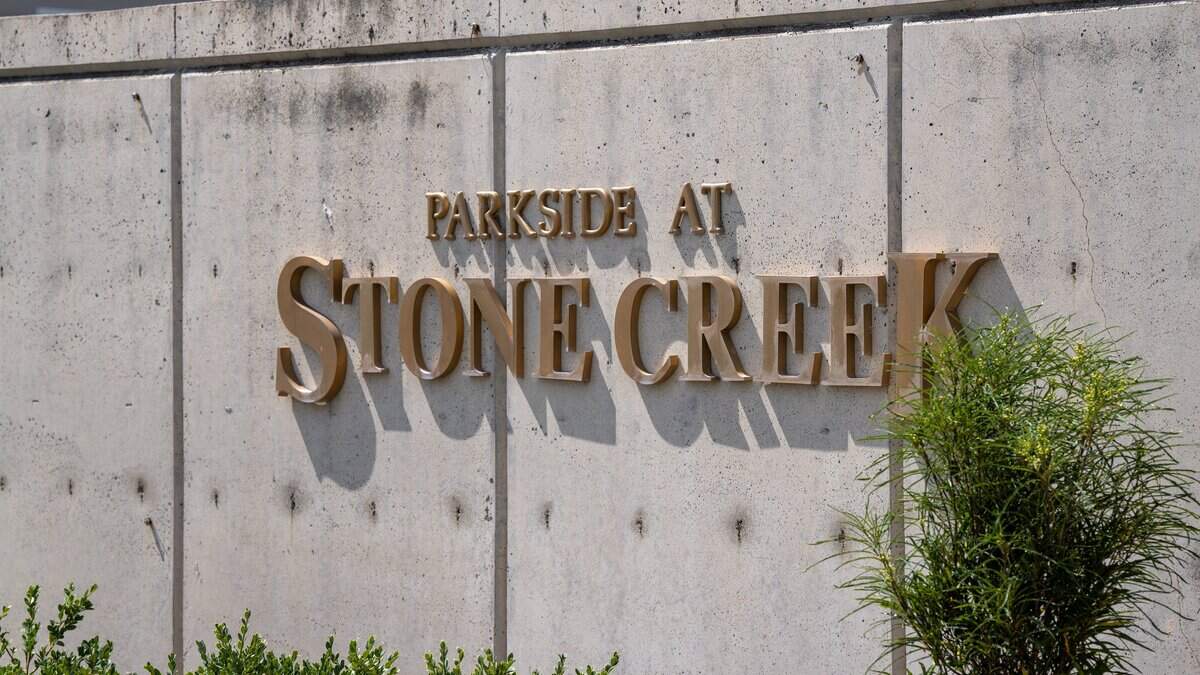
A nearly $30 million Derby development will not receive city tax incentives after the council denied the request at Tuesday’s meeting.
The proposed joint apartment/duplex development sought industrial revenue bonds and a 60% property tax abatement for 10 years as well as a tax exemption for construction materials. The sales and property tax breaks from the city, county, state and the Derby school district would have equaled about $3.3 million over the next decade. The development qualified for city incentives because at least 30% of the units were being offered at a below market rate, the staff report said. In this case, all units were at a below market rate.
The project is already receiving about $18 million in tax credits from the Federal and State Low-Income Housing Tax Credit program.
The development drew significant pushback from the community, mainly because of density in the Stone Creek Neighborhood — something that will now increase with the denial of the incentives.
The multi-family development was poised to bring 144 affordable housing units to the area with an additional duplex buffer. Now that duplex buffer will no longer exist and the development will have 174 apartment units, according to the developer.
Concerns brought up during the public hearing portion of the meeting focused on both density and the incentives.
“What would the public benefits be in 10 years if real estate and sales tax were paid, just like the rest of the residents here?” Derby resident Debbie Ternes said at the meeting. “I think the builder can pay his own way, just like the rest of us”
City Council members acknowledged that the vote was a tough one.
“The developer appears to have met every published policy requirement, met the affordable housing requirements, qualified for state tax credits, met the required benefit cost ratio. So, if the objective is to have those satisfied, it becomes difficult to deny incentives simply because we don’t like the project,” council member Mike Neel said.
One concern brought up by council members was that if the incentives were not approved, the developer planned even more apartment units.
“The more I sit here, the more this sucks … because on one hand, we say no to any incentives and then we get (more) units in there, we have no choice. We say yes to abatements, then we have the opportunity to reduce those numbers, so this sucks,” council member Wayne Molt Jr. said.
Council members did acknowledge the need for affordable housing.
“I also have to think that they’re meeting a need that we need,” council member Jenny Webster said. “That if they don’t get that, they have to be more dense. And so then we have another issue, which is the density that you guys all have (concerns about) too.”
Some of the debate surrounded the “but for” principle in Derby’s incentive policy, which states that only projects that would not be able to exist without the incentives could qualify for them.
“Derby’s housing policy specifically requires that incentives satisfy the 'but for’ principle, that the incentive must make a difference on whether housing is built,” council member Jared Brown said. “I really struggle to conclude that this incentive satisfies the ‘but for’ principle in our own policy, which is literally the only thing that matters whether it meets that specific point.
“It’s my responsibility to apply that policy consistently … if we ignore the standard that we’ve adopted, then our policy ceases to be a meaningful guide.”
Kiel Mangus, the city manager, said that the “but for” policy would apply since the project would not be able to move on as proposed without the incentives. Instead, the project would have to shift plans — which, in this case, is adding more units.
The applicants, Cory Shackelford and Shane Pullman, attended the meeting and took questions from the council. Pullman previously told The Eagle that the incentives would further the ability to build safe and affordable places in Derby.
“We want a successful and beautiful product as much as anybody surrounding (the property),” Pullman said.
Council member Gabe McKeever made the motion to deny the incentives and take no further action. The motion passed with all but Neel voting in favor.