See less graffiti in Wichita? Here’s the faith group behind the removal effort
If you drive or walk along East 21st Street in Wichita this summer, you may begin to notice fewer spray-painted tags on storefronts, repainted portions of bus stops and utility boxes and gang markings disappearing from walls that had long been left unremediated.
This gradual restoration is part of the Juda Graffiti Removal and Deterrence Task Force, a recently formed group established by the Tribal Council of Chiefs, the governmental body of the Holy Kingdom of Juda. It’s an initiative that’s resulted in a partnership with the city that leaders say is aimed at improving neighborhood appearance, creating safer spaces for Wichitans and tribal members, and discouraging vandalism before it spreads.
“We’re not simply removing graffiti, we are restoring communities,” Chief C.W. Lewis said.
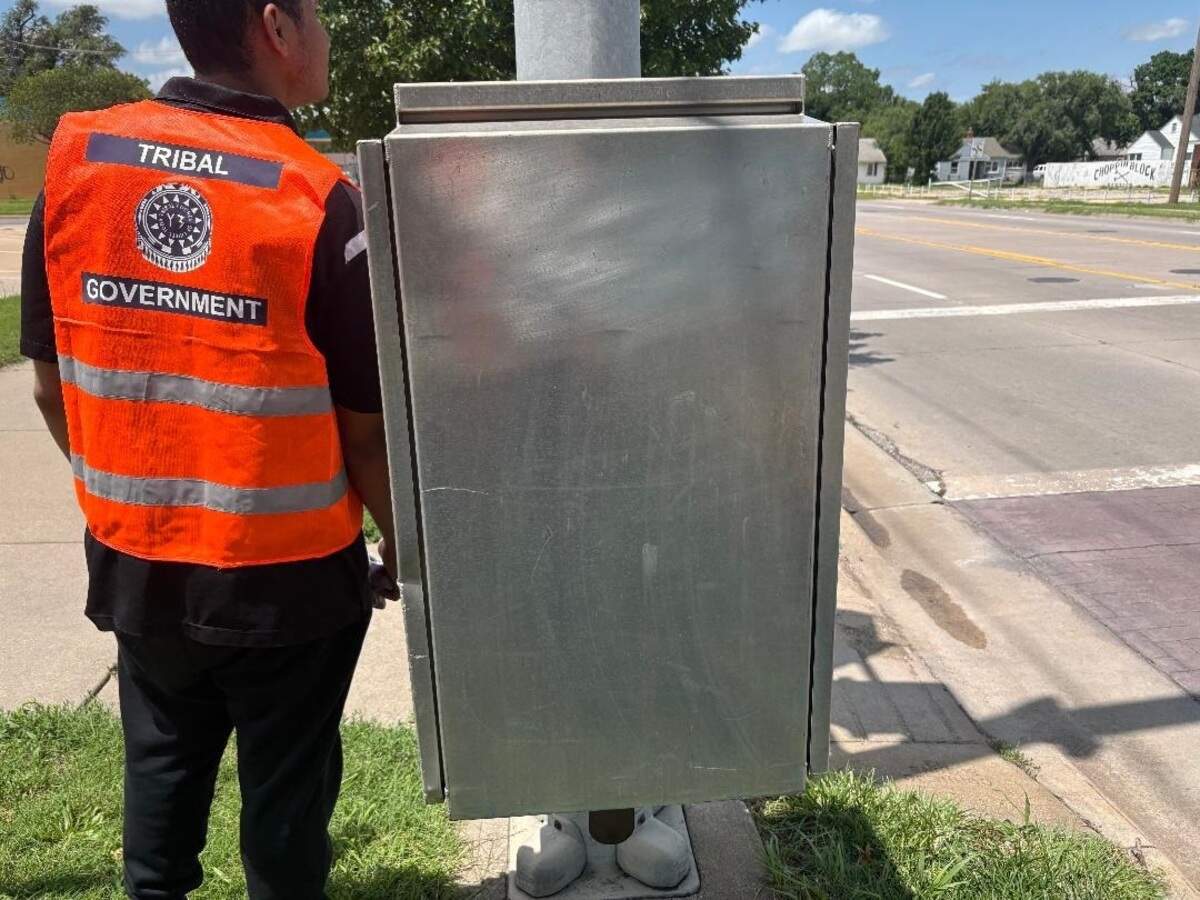
Since the task force was established in May, volunteers and members with the Holy Kingdom have removed graffiti from business facades, surfaces on city infrastructure and other public spaces throughout northeast Wichita, specifically in District 1. Tribal members patrol neighborhoods through a community watch program, document graffiti through an online tracking system and coordinate with the city’s public works department before beginning cleanup.
One recent project took volunteers to Etezazi Industries Inc. near 21st and Piatt after tribal members spotted graffiti on the manufacturer’s building.
“We went by, evaluated it, walked in and talked to Etezazi Industries, and they said, ‘Please have at it,’” C.W. Lewis said.
While there, he said, the group could see that the next-door Valero convenience store had been tagged with gang-related graffiti. Employees there had already made an attempt to scrub and remove the graffiti, but the task force touched up the paint job for them. A week ago, when the Dollar General Market across the street had been tagged, C.W. Lewis said tribal members spoke with them and by the next day, the damage had been covered up.
“That’s what we need,” he said. “As soon as the blight hits, we want to try to get rid of that blight.”
While often popularly viewed as an urban art form, graffiti that defaces public property can have a range of negative impacts on a community, he said.
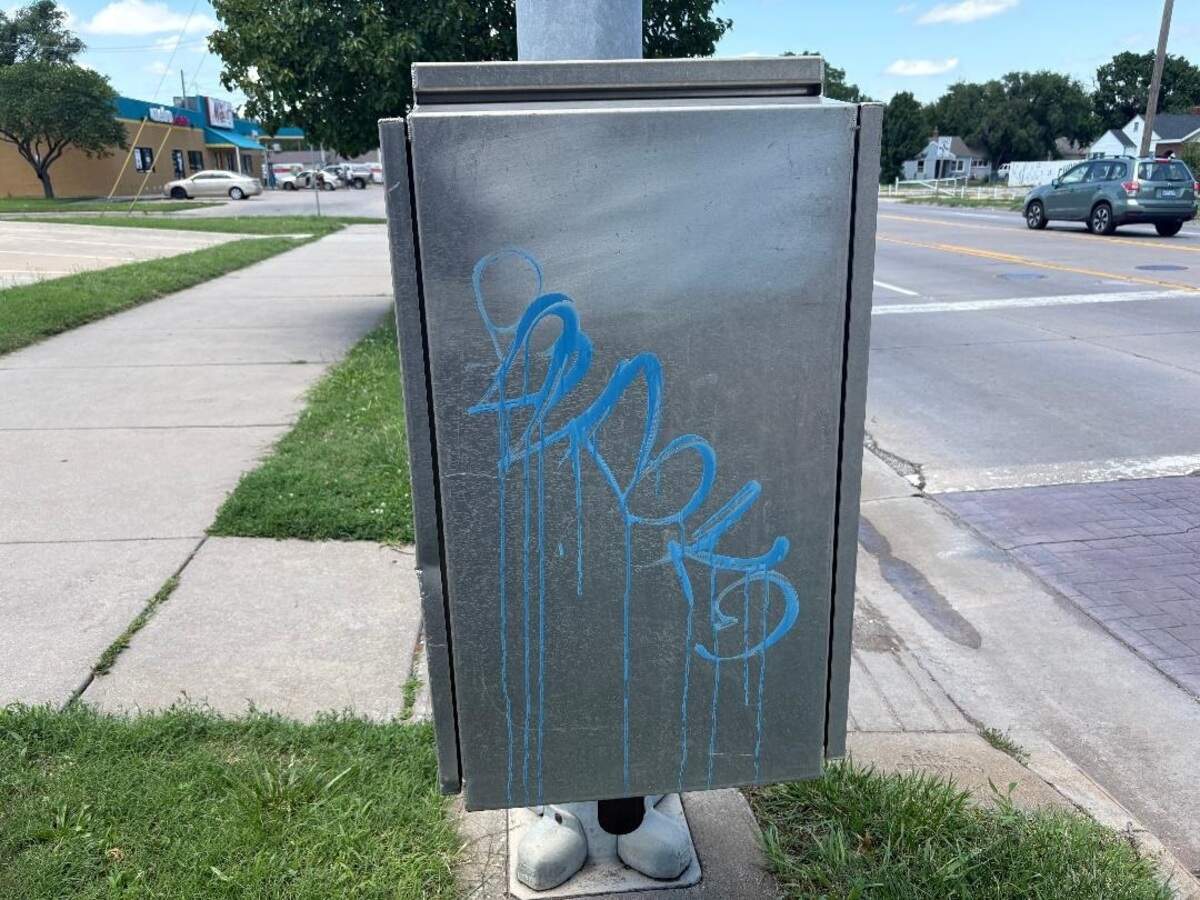
“Graffiti and blight is not art when it destroys property. It’s vandalism, and vandalism is a crime. Left unaddressed, it contributes to neighborhood deterioration, lower morals, lower property values and signals disorder,” C.W. Lewis said. “Disorder should not be normal, and crime should not be a culture.”
The cleanup effort also reflects the Tribe of Juda’s broader mission: to create a safer place for members and the surrounding community.
“As we reduce crime and graffiti and blight in the community, it’s not just as a community partner. It’s to establish a safe environment for our gathering,” C.W. Lewis said. Wichita is the established central gathering hub for the Holy Kingdom of Juda. “In order for our members to feel safe, it needs to be a wholesome environment, and that’s what we’re striving for.”
District 1 City Council member Joseph Shepard said many of those goals align with his own priorities and the city’s. He said addressing graffiti, particularly in the 67214 ZIP code, was one of the neighborhood quality-of-life issues he campaigned on.
“It’s no secret graffiti is an issue in our community,” Shepherd said. That applies especially to those living in 67214, which he said has the highest rate of vacant lots in the city and makes buildings in the community more prone to vandalism. “When spaces are not activated, they’re more likely to be tagged. Crime is more likely to happen in those spaces, and so this is just one part of the puzzle.”
While Shepard said local government doesn’t have the capacity to solve every neighborhood problem, symbiotic relationships with community organizations that already have residents’ trust can help fill in the gaps.
“Government is not always the best to lead on every issue,” he said. “But we can be a connector and a convener and mobilize community organizations that have a proven track record of having trust and truly caring about the community.”
As part of the partnership, the city provides information on graffiti hot spots, coordinates with Public Works and supplies materials when available. While Wichita has not committed funding to the initiative, Shepherd said the city can help offset the cost by occasionally providing paint, equipment and other supplies.
The Tribe of Juda is currently covering the task force’s operating costs while seeking grants and sponsors. C.W. Lewis said the effort has also received supplies and support from the Urban League and Daughters of Hope Charity.
As the task force continues to tackle and remove graffiti, leaders on both ends of the partnership hope to expand beyond education and removal. Shepard said the city is working with the Tribe of Juda, Mulberry Art Gallery and the city’s director of Arts & Cultural Services, Lindsay Benacka, on a pilot program that would replace some repeatedly tagged locations with murals, while Lewis said the task force is also exploring community chalkboards where children and teenagers could legally create art.
But the choice that people can make today to work toward restoring their tagged and defaced neighborhoods is simple, C.W. Lewis said.
“Choose peace, avoid crime, respect your neighbors, and be a good steward of your community.”