Faith leaders call for affordable housing, solutions to homelessness, gun violence
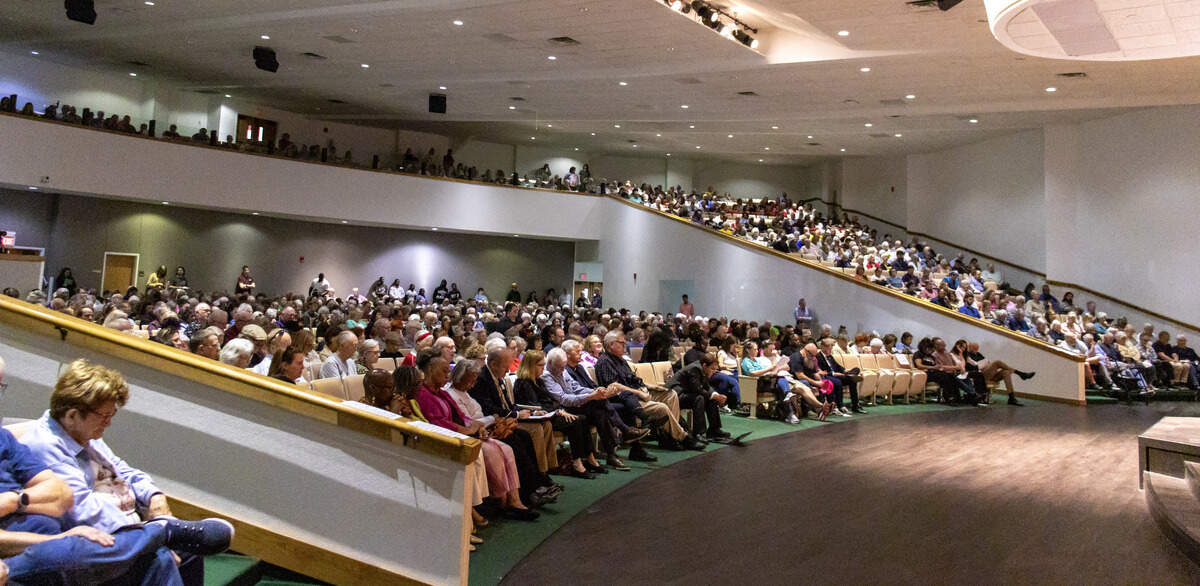
Leaders of different faiths gathered along with about 1,500 community members under one roof this week to put out a call for affordable housing and gun violence reform in Wichita.
The Justice Together coalition, made up of 40 multifaith groups focused on solving community problems, secured public commitments from three Wichita City Council members to support some of the group’s proposals to address gun violence, affordable housing and homelessness.
“We are here because we have the faith that God can work through us and our elected officials to truly make Sedgwick County and the city of Wichita more just for everyone,” Father Adam Grelinger with Holy Savior Catholic Church said. “We are here tonight because the best way to pursue justice is together.”
Justice Together advocated for six proposals, including two to start and monitor progress on a violence problem analysis. Three housing proposals asked the council members to codify best practices for the affordable housing fund, advance the Housing and Community Services Department’s plan to get $10 million annually for affordable housing over three years and pursue a citywide vote on dedicated housing and homelessness funding. The coalition also promised to engage in the 2026 budget process to ensure follow-through on funding for the Multi-Agency Center for homeless services and access to a low-barrier ID program.
Council members Dalton Glasscock, J.V. Johnston and Joseph Shepard were invited to comment on the proposals. The Rev. Wade Miller with Hillside Christian Church said council member Mike Hoheisel, who attended but did not take the stage, previously gave his commitment at the group’s Solutions Rally in March.
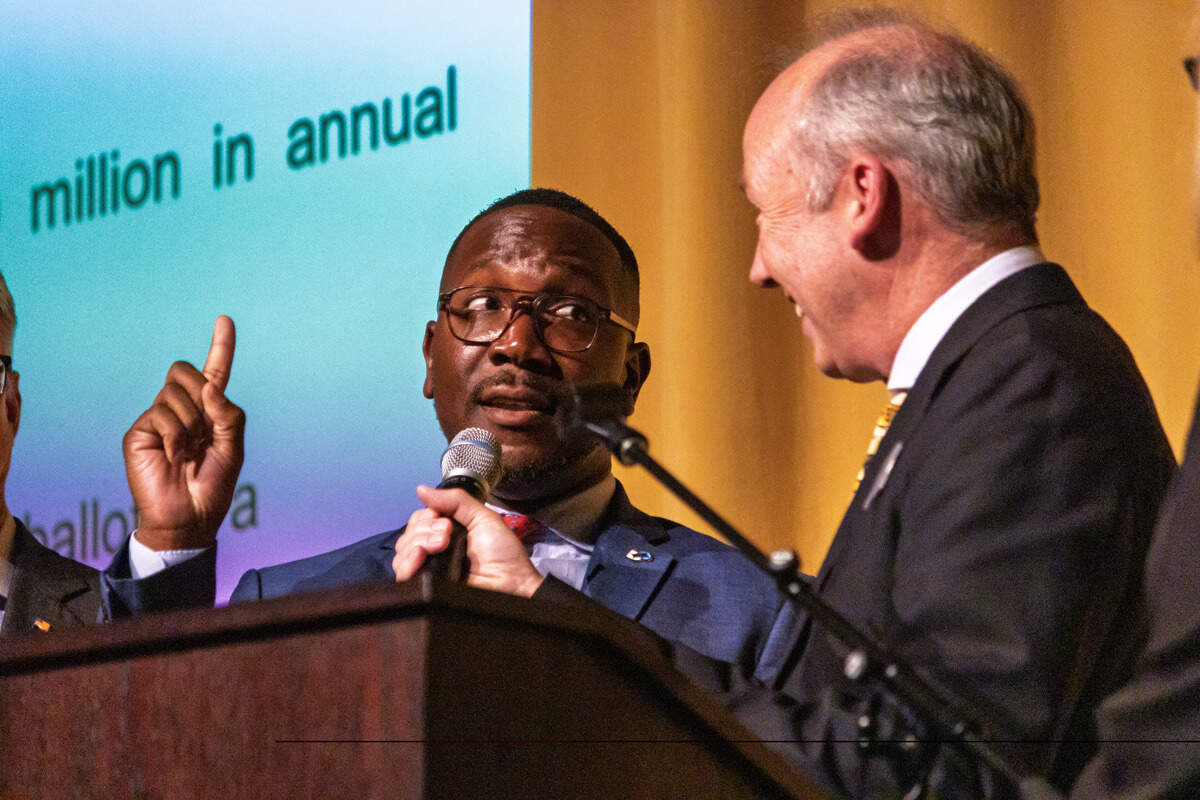
Although council members are not legally bound by public commitment to support Justice Together’s proposals, Wade said “if we have a whole bunch of yeses up here, we can get it all passed, and we can take that next step.”
The assembly Monday came after members of Justice Together spoke with around 900 people in community listening sessions and spent months working with experts and holding meetings to create the proposals for the City Council.
Gun violence in Wichita
Speakers and faith leaders began the night with personal stories that pointed out the need for reform. Evangelist Theresa Canidy with St. Paul AME Church said gun violence has affected her both personally and professionally as a former human resources employee at Wesley Medical Center.
The violence got close, she said, one summer night when her 22-year-old grandson was putting gas in his car in a Wichita QuikTrip. He ran into a group of young men outside.
“Just as he finished putting the gas in his car, they started shooting at him. Needless to say, he was terrified,” Canidy said. “... We are thankful that he wasn’t killed that night, but just because he lived doesn’t mean he wasn’t changed, because gun violence doesn’t only take lives, it takes your peace.”
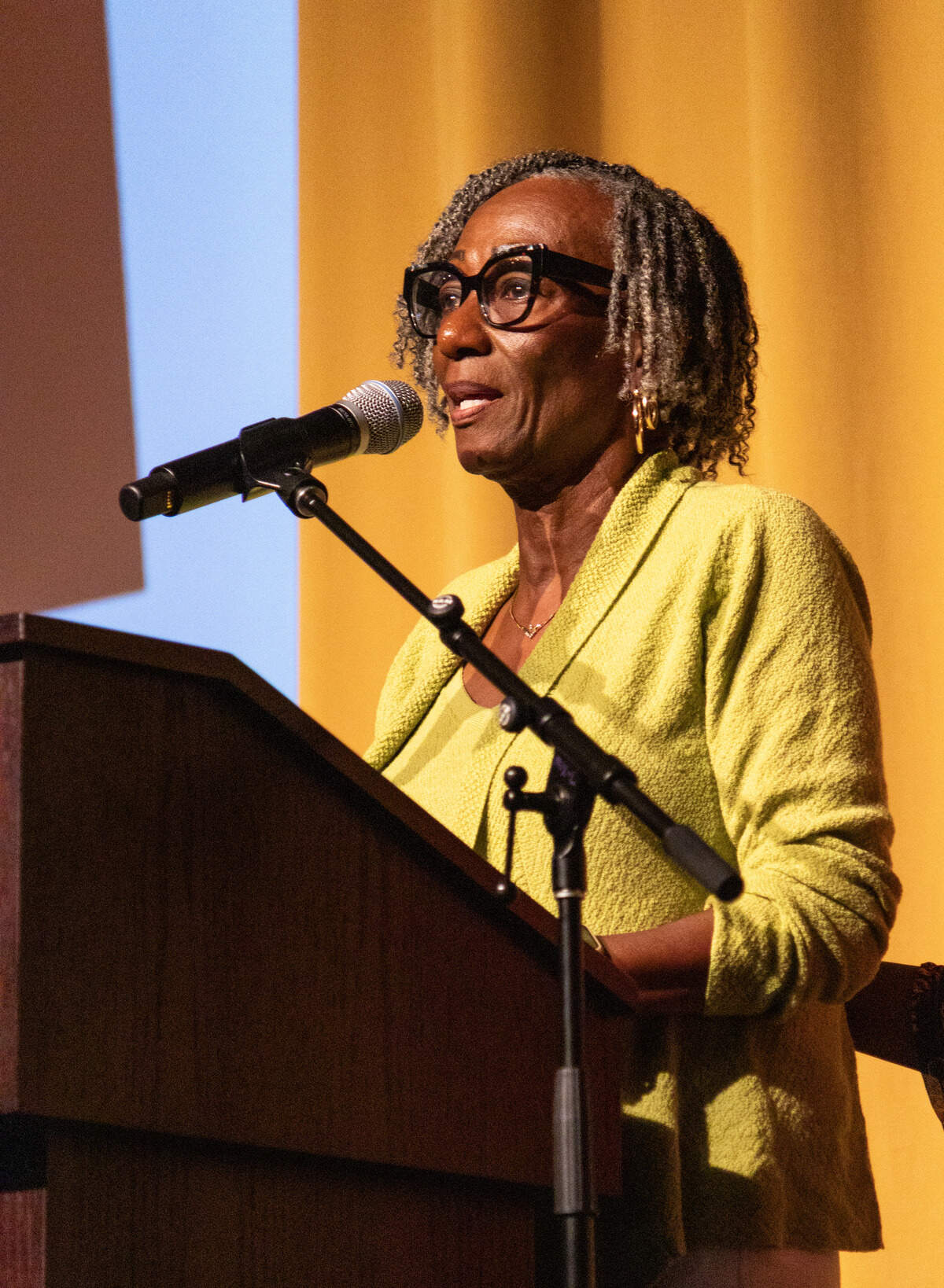
As a member of Justice Together’s Steering Committee addressing gun violence, Canidy and others outlined similar concerns shared by community members, spoke with more than 18 experts and identified specific problems and trends.
They found that gun violence in Wichita is frequently retaliatory between people who already know each other, a notion they confirmed with Wichita Police Chief Joe Sullivan, according to Justice Together’s gun violence briefing. They also noted that these incidents are more commonly linked through social networks rather than specific geographic areas, which can make hotspot-based approaches less effective.
Youth involvement is also a significant contributor; over the last 10 years, the gun violence briefing said, 50 homicides in Wichita saw juveniles as the fatal shooters, with juvenile homicides making up about 15% of all homicides in the county.
And although homicides in Wichita have decreased in recent years, the group said about half of all gunshot victims were under the age of 25. They also acknowledged that risk is more closely tied with proximity to prior violence, peer influence and exposure within social networks than with age alone.
Domestic violence situations involving a gun, as well as unsafe firearm storage, contribute to the frequency of violent crimes committed with firearms, they said.
Gun violence also imposes a significant financial burden on Wichita, in addition to the tragic loss of life. Using a National Institute for Criminal Justice Reform estimate that the average taxpayer cost per homicide is $625,000 (including costs for crime scene response, hospitalization, the criminal justice system, incarceration and more), the group said, the 45 homicides reported in 2025 would translate to $28.1 million spent.
“People are dying, and that won’t change until our city uses the tools that have been successful across the country,” Canidy said.
Members of Justice Together planned to present the two gun-violence related proposals to City Manager Dennis Marstall at Monday’s assembly. Marstall declined to publicly address the proposals, Justice Together members said, and did not attend the event as an audience member. An empty seat with Marstall’s name on it remained on stage.
In a statement sent to The Eagle, city spokeswoman Megan Lovely explained why Marstall didn’t attend. Part of that statement read:
“The City Manager has met with hundreds of residents and community groups in his first four months on the job. One of those groups was the Justice Together Steering Committee on Gun Violence, as requested, on April 16 to learn more about their work and listen to their request for the City to fund a $50,000 study. At that meeting, and in subsequent communications, the City Manager communicated that he would not be attending the Nehemiah Assembly, nor could he commit to funding their requested study with the parameters they outlined.”
Lovely wrote that Marstall is “focused on numerous issues” and is working with city staff and partners to address the problems raised by Justice Together, in addition to other city issues.
The first proposal was to start working with a group recommended by the Council on Criminal Justice to conduct a violence problem analysis; the second proposal entails monthly meetings between CCJ and Justice Together to discuss the analysis’ progress.
Justice Together’s early cost estimates suggest a citywide report would cost about $30,000, while a problem analysis covering all of Sedgwick County would cost around $45,000.
Affordable housing and homelessness in Wichita
Affordable housing and homelessness have long been a primary concern of Justice Together. Since 2024, the Rev. Donna Goltry with St. Paul’s UMC said, respondents in Justice Together listening meetings have overwhelmingly expressed that concerns about housing affordability keeps them awake at night.
“For over two years, Justice Together has listened ... and the top concern heard over and again was homelessness and affordable housing,” Goltry, the affordable housing co-chair, said. “And the numbers back it up: Housing costs have risen twice as fast as wages over the past 20 years.”
That’s resulted in households who have never experienced homelessness losing stable housing, she said, and has further strained services to help those who are unhoused.
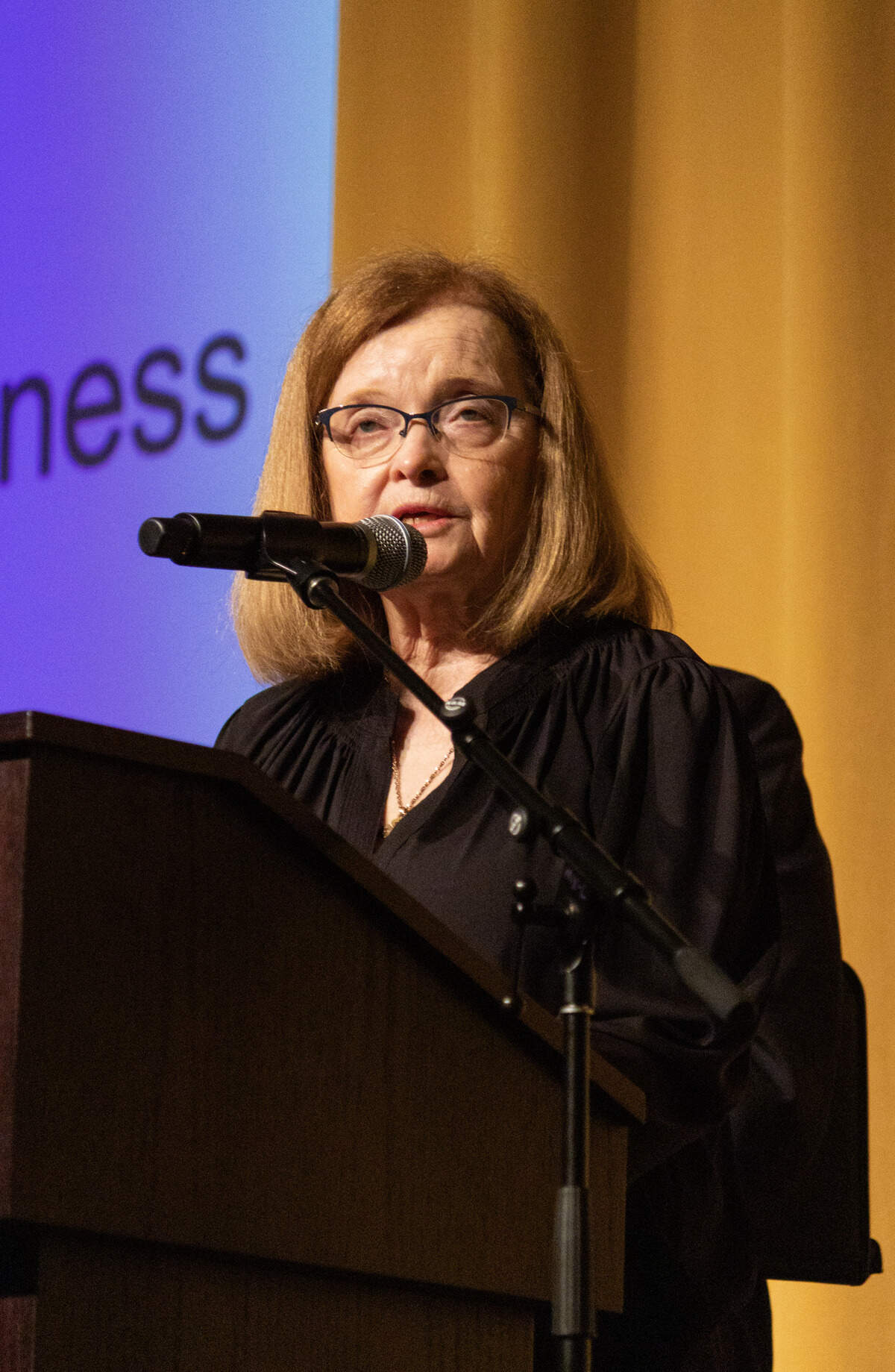
The worst part, Goltry said, have been the lives lost as a result. She said last October, her church was asked to host the annual memorial service for unhoused people who died. They lit 76 candles; the previous two years, about 12 were lit at each memorial.
Justice Together renewed their charge for housing and homelessness solutions Monday with three new proposals. They asked the council members to codify the best practices for governing the affordable housing fund included in Resolution 26-054 linked to the recent failed sales tax vote, to advance the city’s Housing and Community Services Department’s plan to get $10 million annually for affordable housing over three years, to meet with Justice Together monthly and to pursue a citywide vote on a stand-alone referendum for a dedicated source of housing and homelessness funding by the end of next year.
The latter proposal comes after a 1% sales tax increase that included dedicated funding for Second Light and affordable housing failed at the ballot box in March. Exit polling showed high support for affordable housing and finances set aside to address homelessness, Justice Together members said.
“Affordable housing and homelessness had the greatest and highest approval and the least opposition from both the yes and the no side,” Goltry said.
Wichita council members respond
When it came time for council members to say whether they supported Justice Together’s proposals, Shepard said he supported each. He also mentioned rectifying the impact of redlining in Wichita, investing in neglected neighborhoods and crafting a new sales tax proposal with diverse voices, including renters, seniors on fixed income and those affected by the criminal justice system.
Johnston also gave verbal commitment to each proposal, but said that he would meet with Justice Together members bi-monthly rather than monthly because of time constraints. Johnston is the executive director at Guadalupe Clinic, where he said he spends between 30 and 35 hours working in addition to 20 hours a week as a council member.
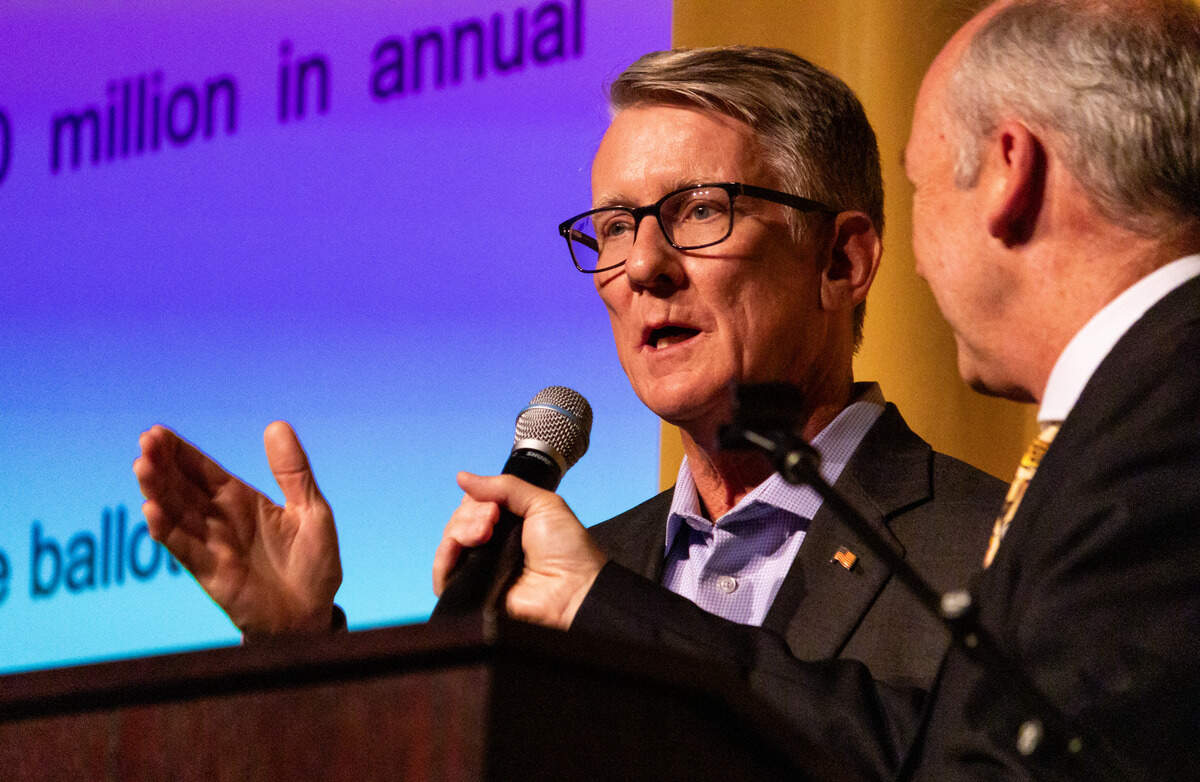
Glasscock committed to the first two proposals, but hesitated to support putting another sales tax initiative on the ballot. He gave a tentative no, with the caveat that he needed to hear the larger Wichita community’s take on another referendum, especially in the aftermath of voters’ rejection of a sales tax increase in March.
“I need to hear that from the community over months of conversation, and to show that we engage all voices in this process,” he said. “If you come back and you continue to advocate, as you are now, over the course of the next year … then yes.”
He did agree to meet with Justice Together members to continue their work on homelessness and affordable housing reform.
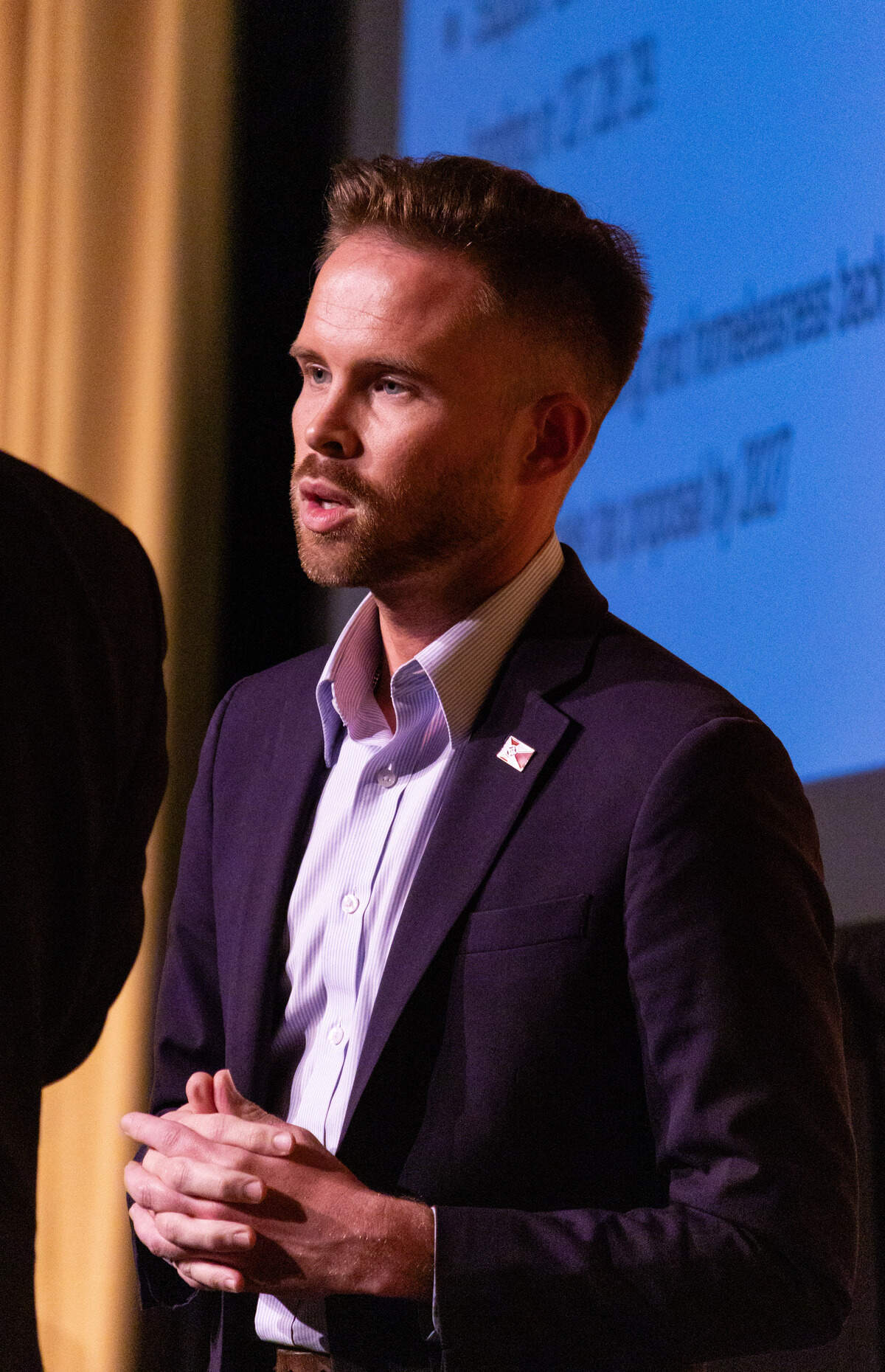
When asked by The Eagle, Hoheisel also said he gave his support to the proposals, but added an addendum similar to Glasscock’s in regard to the referendum.
What comes next
Faith leaders with Justice Together are now looking ahead to the City Council’s May 26 listening session for the next year’s budget, where they hope to make evidence-based violence prevention a line item.
“We want them to know that violence prevention is not optional; it is necessary,” Canidy said.
She asked attendees to show up in the hundreds in May in support of the gun violence prevention proposal.
In regard to housing and homelessness, Goltry said the recently published 2027 Community Development Block Grant and HOME Action Plan is now open for public comment until May 5, when a public hearing before the City Council will be held and they’ll vote to approve the plan.
Implementation, and the fruition of Justice Together’s work, will be dependent on Wichitans, Miller said, calling on residents to “come and let your voice be heard” at upcoming meetings and hearings.
“Let this not be just another moment,” Canidy said. “We’re asking that it be a turning point where urgency leads to action and action leads to change … we can’t afford to stop now.”
This story was originally published April 29, 2026 at 12:10 PM.