
New Elvis Presley film based on lost concert footage found in Kansas salt mines
AI-generated summary reviewed by our newsroom.
- Researchers found 59 hours of 1970s Elvis Presley footage in Kansas salt mines.
- Team scanned, restored reels, synced audio and helped bring footage to IMAX.
- Documentary centers Elvis’ voice and performances with no talking-head commentators.
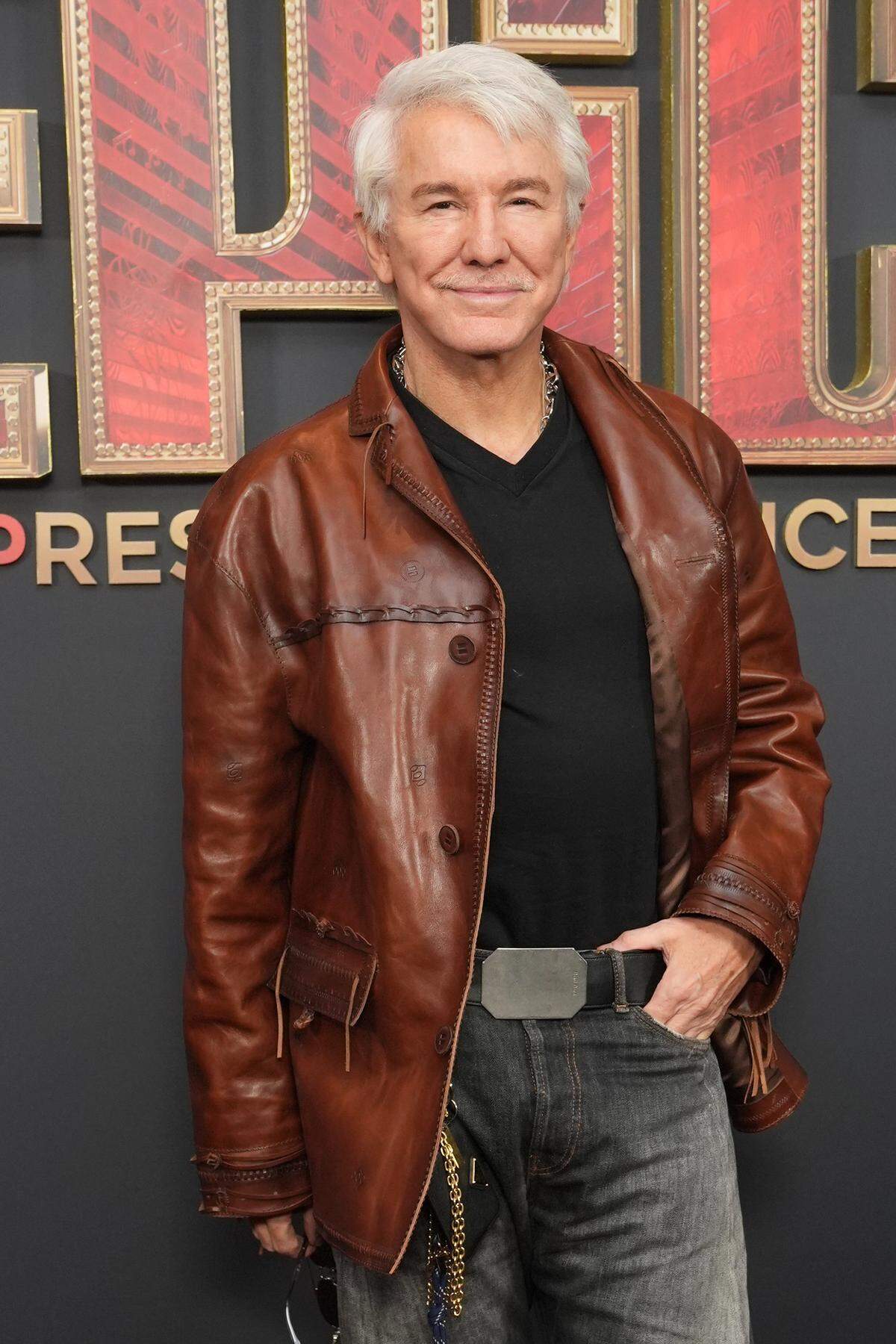
Australian film director Baz Luhrmann heard a rumor while making his 2022 Oscar-nominated movie “Elvis,” which made a star of newbie Austin Butler in the title role.
Somewhere out there existed unseen footage, “lost” reels, of Elvis Presley concerts from the 1970s.
Curious and determined to find it, the “Moulin Rouge!” director launched a hunt that led him to cinematic treasure stored 650 feet underground in the salt mines in Hutchinson, Kansas.
That never-before-seen footage, now restored, became the basis for Luhrmann’s new 97-minute documentary/concert film, “EPiC: Elvis Presley in Concert,” which opened with a limited release in late February.
“It was an accident,” he told the “Today” show. “What happened is I hear that there’s this mythical reel that maybe I’ll be able to use the footage in the movie of ‘Elvis.’
“I send guys literally into the salt mines ... where they keep all the negatives. They kick the door open. It’s a big ... ‘Raiders of the Lost Ark’ ... 65 reels of never-before-seen footage of Elvis in the ‘70s show at his peak.”
The tip came from Ernst Jorgensen, a noted Presley historian and archivist of the singer’s catalog who been restoring Presley’s music since the late ‘80s.
Jorgensen “told us about this maybe missing reel, very hard to get to because they’re actually buried in salt mines ... they do that to protect the footage,” Luhrmann told Moviefone entertainment outlet.
He’s told this story over and over while promoting the new documentary. (Though when he tells it he places the mines in Kansas City, not Hutchinson.)
State Theatre Hutchinson celebrated the opening of the movie with a Facebook post last month.
“The ‘lost footage’ of Elvis that is used primarily in the upcoming ‘EPiC: Elvis Presley in Concert’ was stored in the salt mines in Hutchinson, Kansas,” the theater’s owners wrote in a post that included video of one of the smaller rooms in the facility.
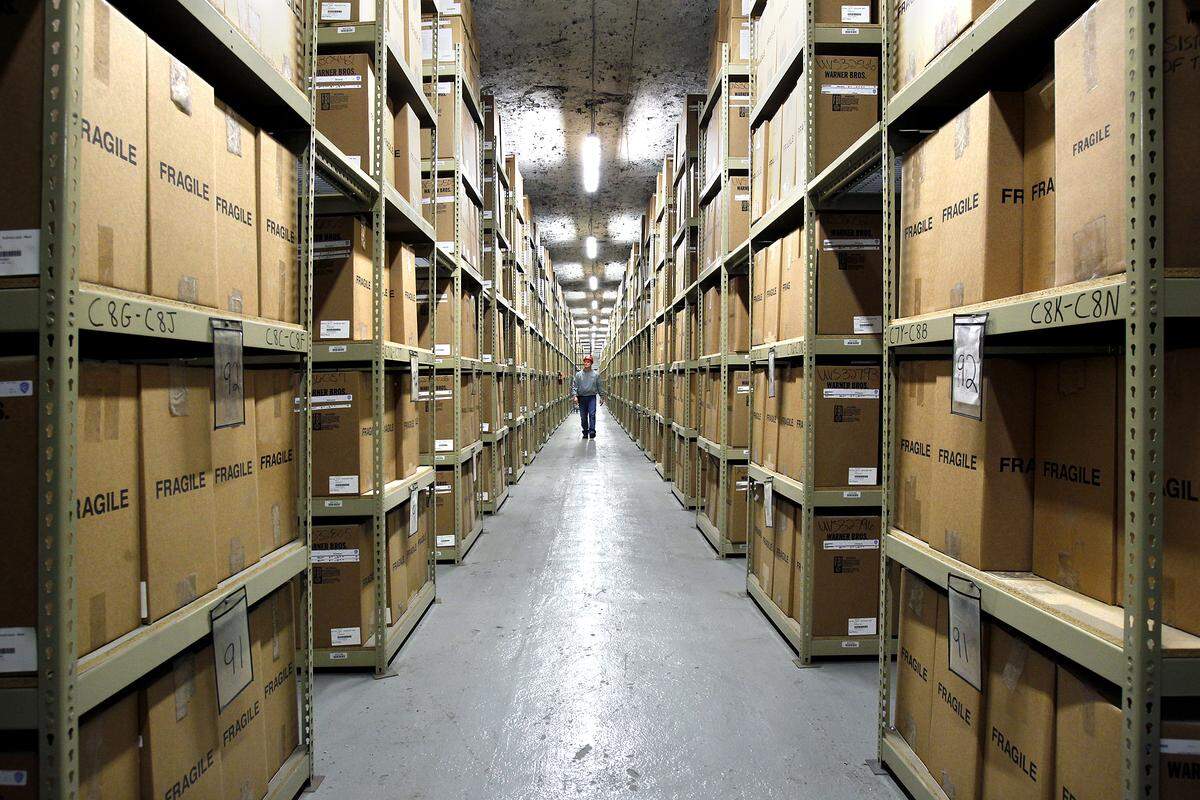
”I’ve been here a few times in my career and it’s very much like the end of ‘Raiders Of The Lost Ark’ with racks and racks and racks and rooms after room after room of film and audio elements in boxes and boxes and boxes and cans and cans — so big, you have to travel around in modified golf carts.
“Its 650 feet underground and just an unbelievable place to experience — they do have a public tour, but you don’t see a tenth of this place that you would as a client — regardless, we’re thrilled the 60+ cartons of unseen footage from the two early ‘70s MGM docs were located, and shipped to Burbank to kick off this project.”
Hollywood history hidden in Kansas
The underground storage facility shares space with Strataca, the Kansas Underground Salt Museum where visitors have to wear helmets and take a long elevator ride to descend 650 feet below the surface of the Earth — roughly the height of the Gateway Arch in St. Louis.
The underground vault sits in mined-out caverns of the Hutchinson Salt Co. There’s a lot of salt in that part of the Sunflower State.
More than 275 million years ago the Permian Sea left behind a giant swath of salt — 30 trillion tons — stretching from an area northeast of Kansas City through Kansas, Oklahoma and New Mexico.
The storage space is a veritable Fort Knox safe from tornadoes, floods, earthquakes and all manner of mischief and mayhem, where the 68-degree temperature and 45% humidity are ideal for preserving paper and film.
Millions of boxes full of paper and data — oil and gas company leases and maps, insurance policies, architectural blueprints, medical files, tax records, historic newspapers, are stored there.
Movie studios have hidden their treasures there for more than 40 years.
This is where you learn that the film industry throws nothing away.
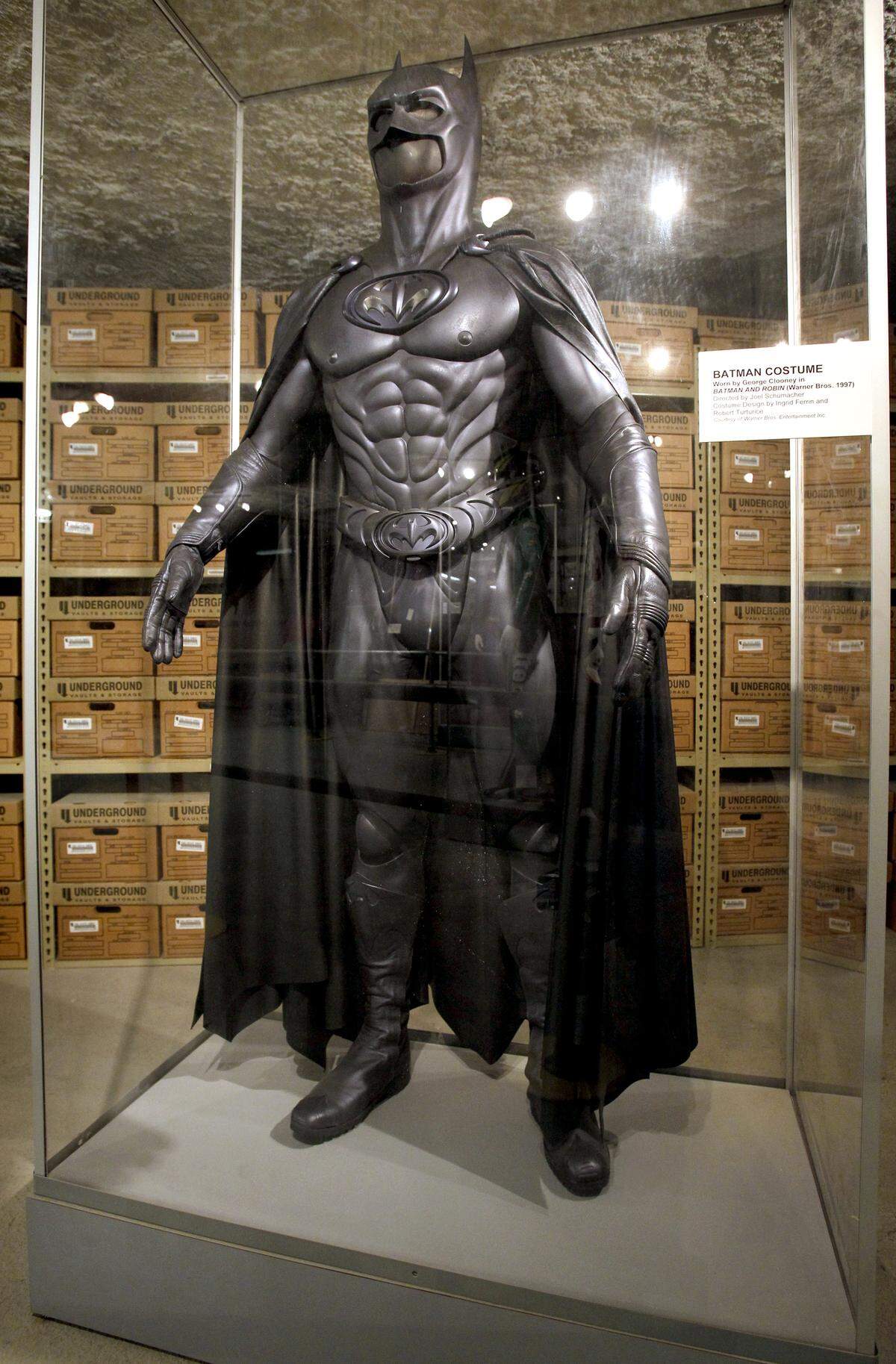
The people who run the underground vault don’t typically reveal what they are safekeeping, though The Star has reported that historic movies “Ben-Hur” and “Star Wars,” old silent movies, every episode of “M*A*S*H” and the original film negative of “The Wizard of Oz” are there.
Seeing boxes marked “Gone With the Wind” will make a movie buff go weak at the knees.
The inventory has morphed over the years as the technology has moved from old-fashioned film reels to digital tapes and DVDs.
Brown boxes neatly arranged on floor-to-ceiling shelves in the cavernous space do, indeed, conjure the last scene of “Raiders of the Lost Ark” where the crated ark is stashed in a government warehouse
That’s not AI Elvis
Luhrmann sent researchers to Kansas.
They found 69 boxes containing 59 hours of unseen 16mm and 8mm footage from two Presley concerts — “Elvis: That’s the Way It Is,” filmed in Las Vegas in the summer of 1970, and “Elvis on Tour” in 1972. There were also rare Super 8 clips filmed at Presley’s home in Graceland.
Some reels were mislabeled, some damaged. Some of the reels, beginning to deteriorate, smelled like vinegar.
“So the first thing was to kind of save it, scan it and then the great (”Lord of the Rings” director) Peter Jackson with his team helped us bring it back to IMAX quality,” Luhrmann told Moviefone. “Which is just to say there’s no AI in this. This is just making the film as beautiful as possible.
“But there was no sound.”
The original film and audio were recorded separately, leaving many hours without sound. Luhrmann spent two years hunting the audio tapes — even buying bootleg recordings — and syncing them with the film footage.
Along the way Luhrmann’s team also found “one amazing audiotape of just Elvis talking about his life, which you never hear, and that was the light bulb,” the director told Collider.
The 45-minute tape featured Presley speaking, unguarded, about his life in a way he rarely did. So Luhrmann and his partners decided to get out of The King’s way.
“Luhrmann’s contribution goes beyond the restoration,” film critic Roger Ebert has written. “Crucially, the director carved out a large space for Elvis to speak for himself. There are no talking heads, no reminiscing peers, no historians ‘explaining’ Elvis’ impact.
“Nothing interrupts the performances, which we are allowed to see in full. Additionally, Luhrmann overlays the whole thing with a voiceover from Elvis himself.”
The guiding principle for using those reels found in Kansas, was “what would Elvis do. And what Elvis would do, would want to be presented on the big screen in the best possible quality,” Luhrmann told Moviefone.
“I just recently (have) been seeing it on the IMAX with audiences and they’re reacting like they’re at a concert. That’s what we wished for, to give Elvis the tour he never had.”
This story was originally published March 3, 2026 at 1:28 PM with the headline "New Elvis Presley film based on lost concert footage found in Kansas salt mines."
.jpg)