Wichita area’s population grew in the last 5 years. The suburbs are growing quickest
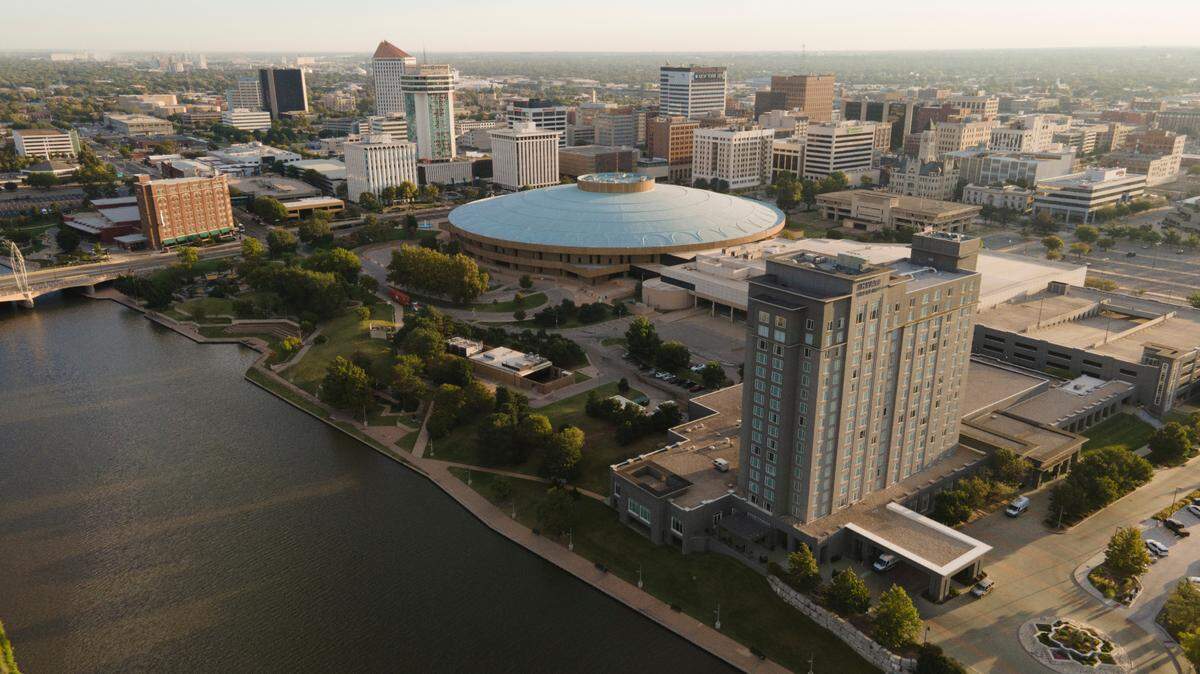
The Wichita area grew faster than Kansas as a whole over the past five years or so and is seeing its population of young people and racial minorities grow.
That is according to the U.S. Census Bureau, which released the results of the 2024 American Community Survey in January. The survey captures data from 2020 to 2024, meaning it is less a crystal ball and more a highlight reel. There is also room for error, especially in more local data.
While Wichita is growing faster than the state, its suburbs are growing the quickest, and the region is showing healthy signs.
The Wichita area is growing faster than the state
Sedgwick County population has grown by about 15,000 people since the 2019 American Community Survey, or 2.9%. That growth outpaces Kansas’ 1.3% and is most pronounced in rural areas and Wichita’s immediate suburbs.
Both Park Township, home to the city of Maize, and Gypsum Township, home to portions of McConnell Air Force Base and Derby, grew by about 31.4%. Both are densely populated by Sedgwick County standards.
Low-population rural areas to the west are growing the fastest, however. Viola, Grand River and Erie townships, the latter two of which are unincorporated, saw their populations grow by more than 50%. Some of that growth could be due to statistical noise, owing to their tiny populations.
Wichita proper grew by 2.1%. The fastest shrinking municipality is Afton Township with a population loss of 24.1%.
City of Wichita growth
While growth as a percentage was greatest outside Wichita, the city itself is responsible for most of Sedgwick County’s population increase.
Wichita’s population grew by just over 8,000 people, while the county grew by about 15,000. Bel Aire and the townships of Park and Gypsum were the only other municipalities that saw population growth of more than 1,000.
The Wichita area aged only slightly
Sedgwick County saw its median age increase by 0.6 years, on par with Kansas’ 0.7 and the nation’s 0.8 years. Wichita aged by 0.7 years, and some suburbs saw their median age decrease.
Several tiny municipalities saw their median age swing wildly, which could be due to a handful of births or deaths.
The Wichita area’s young population grew slightly
The number of people ages 30 and younger in Sedgwick County grew by 0.5%, while the statewide under-30 population fell by 0.9%. The young population change in Wichita was practically flat.
Sedgwick County’s under-30 population growth was instead driven by the suburbs, Gypsum Township and Bel Aire in particular. The tiny under-30 population in some western municipalities also grew markedly.
The Wichita area is growing more diverse
Already significantly more racially diverse than the state, Sedgwick County grew more so over the past five or so years.
The county’s non-Hispanic white portion of the population fell from 68.1% to 64.9%, or 3.2 percentage points. Kansas’ non-Hispanic white segment fell from 75.9% to 72.7%, also 3.2 percentage points.
In the case of both the state and the county, the racial diversification is due to more people identifying as multiracial. That portion of the population grew from 4.4% to 12.7% in Sedgwick County, and from 3.5% to 10.6% statewide. The Black-only portion of the population decreased locally and statewide, while the Asian population stagnated. Hispanic identity, which is considered ethnic rather than racial, increased in both Kansas and Sedgwick County.
Rural, low-population areas outside Wichita are diversifying the most. Eagle Township, home to Bentley, saw the most pronounced increase in people identifying as something other than white; its multiracial population grew from 3.6% to 16.6%, and its Hispanic population grew from 8% to 20.3%.
Ohio Township, population 2,157, got noticeably whiter. Its white-only population grew from 75.8% to 92.3%. Its overall population increased by 8 from the 2019 American Community Survey.