
Wild bird with potential signs of bird flu prompts precautions at Sedgwick County Zoo
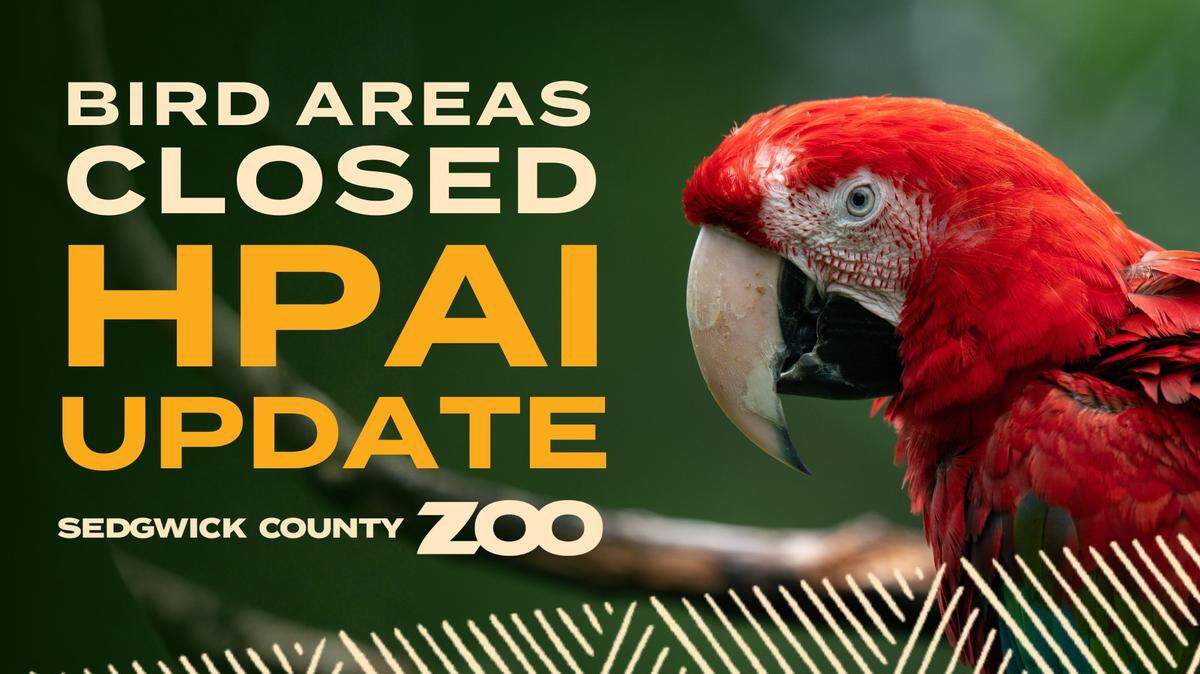
A wild bird showing potential signs of bird flu at the Sedgwick County Zoo has led to a part of the zoo being temporarily closed amid other restrictions, zoo officials said Thursday.
“Samples have been sent out for conclusive testing” to see if the bird has highly pathogenic avian influenza, the zoo said. “Out of an abundance of caution for the health and safety of our birds, we’re increasing our HPAI biosecurity protocols while awaiting the final results.”
The zoo will temporarily close the Australia/South America walk-through habitat and reduce the visibility of flamingos, storks, cranes and penguins.
Bird flu most often spreads between birds, but can spread to other animals, and on rare occassions, people who come in contact with infected animals.
“There is no evidence of human-to-human transmission in the United States and very limited and sporadic reports in other areas of the world where HPAI is endemic,” the Ohio Department of Health says, adding the signs of the virus in humans often take on flu-like symptoms.
Animals “might show signs like not eating very much, lack of coordination, changes in color or swelling of various body parts, nasal discharge, and sudden death,” according to the department of health.