
Naloxone training gives Wichita Transit drivers the skill to save lives
AI-generated summary reviewed by our newsroom.
- Wichita Transit drivers received naloxone training from local nonprofit Safe Streets.
- Training equips drivers to identify overdoses and respond with lifesaving aid.
- Naloxone now available at downtown Transit Center, not yet carried on buses.
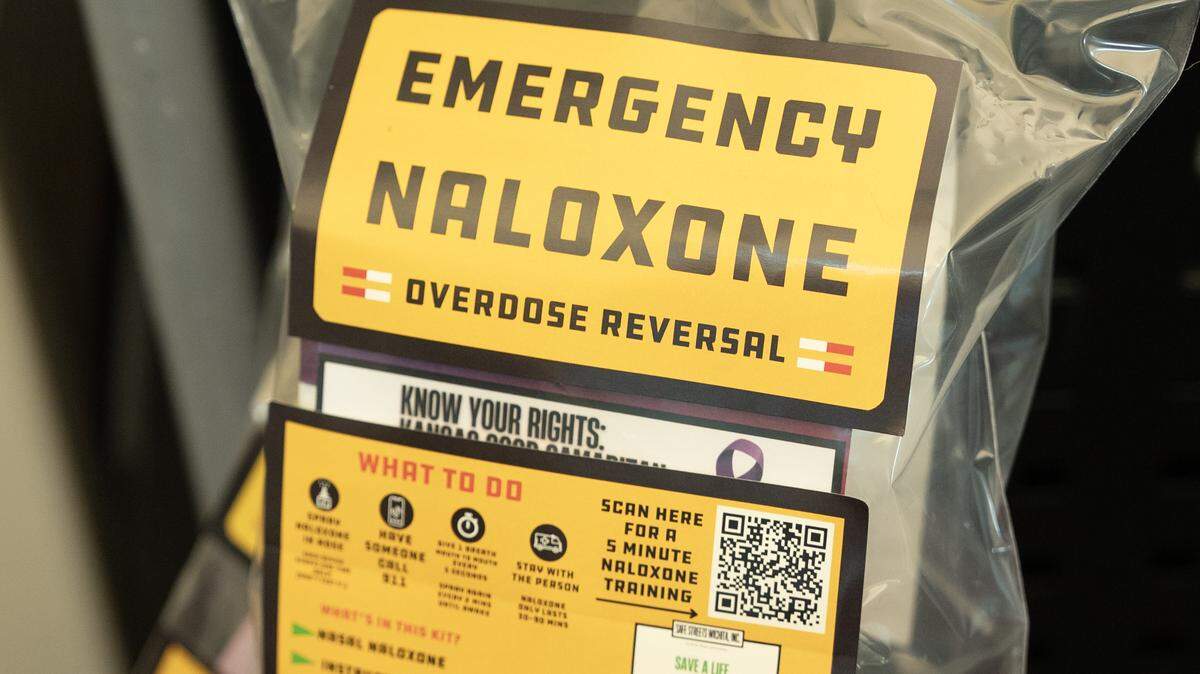
Wichita Transit drivers have been trained on how to use naloxone, a medication that reverses opioid overdoses.
Drivers were shown how to recognize signs of an overdose and how to use the medication during training provided by local non-profit Safe Streets at a monthly safety meeting.
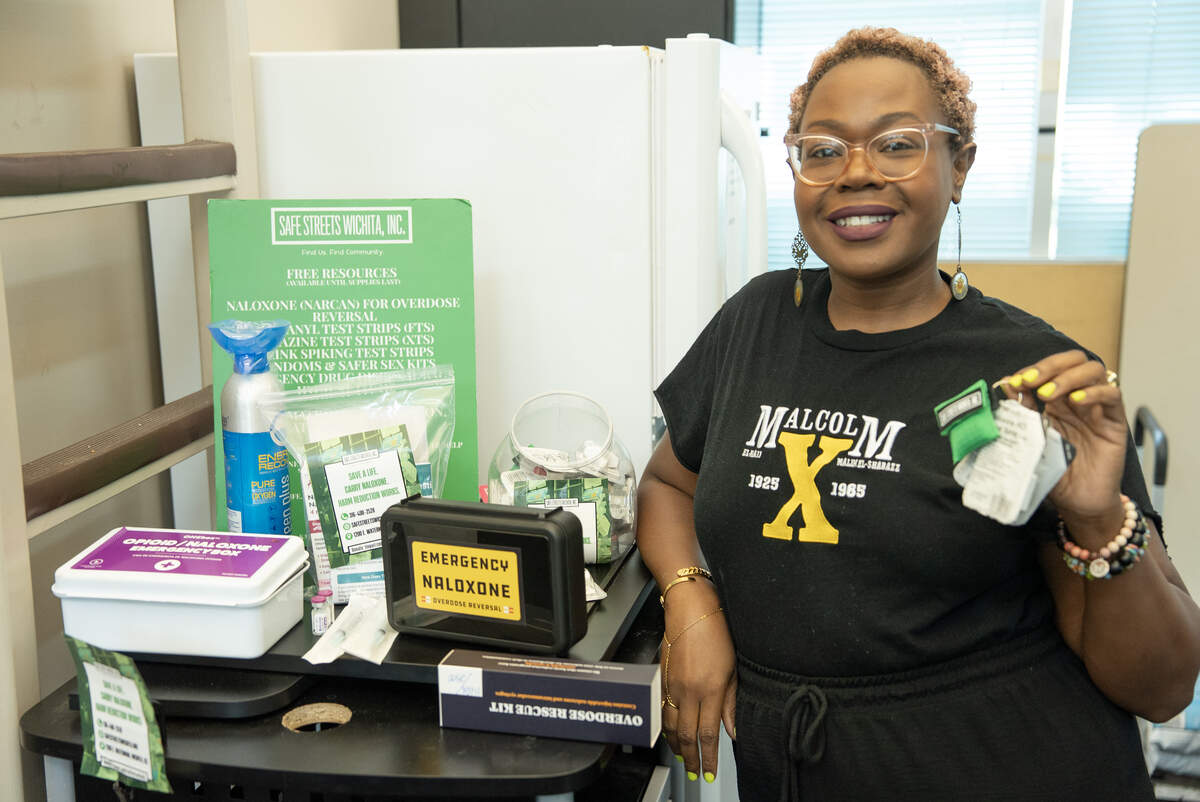
“Naloxone is here to save lives,” Aonya Kendrick Barnett with Safe Streets said. “It does not encourage drug use.
“It encourages us to act as a community, and it increases our public safety, increases that public care, and then also makes the buses more safe for the drivers, for the passengers, for the community overall.”
Mancell Durrett with Wichita Transit said the training was suggested by a bus driver at a previous meeting. Transit then decided to partner with Safe Streets to do the training and provide naloxone, also known as Narcan.
The lifesaving medication won’t be on city buses yet, but will be available during emergencies at the downtown Transit Center at William and Topeka. Wichita Transit would not say when or if it’ll stock the buses.
“If you’re downtown, and you work downtown, we see [medical emergencies] just as much as anyone else that works downtown,” Durrett said. “I don’t think there’s a concentration of anything that we don’t see or we [do] see. We’re in the public just as much as everyone else.”
Drivers will undergo training with the National Alliance on Mental Illness during the next safety meeting.
“We want our bus drivers to be able to provide good customer service that’s going to not just be ‘I’ll take your cash and I’ll do this,’ but be able to also just communicate with [the] community, however they need to be communicated with,” Durrett said.
Safe Streets worked with the city previously when council members approved using opioid settlement funds to distribute naloxone.
It now offers overdose response trainings and other services to the community.
“It’s saving lives and more people need to know,” Kendrick Barnett said. “Community members can be first responders. Service workers can be first responders.”
This story was originally published August 28, 2025 at 5:33 AM.