He grew up poor in Iraq and beat cancer. Remembering man killed in Kansas crash
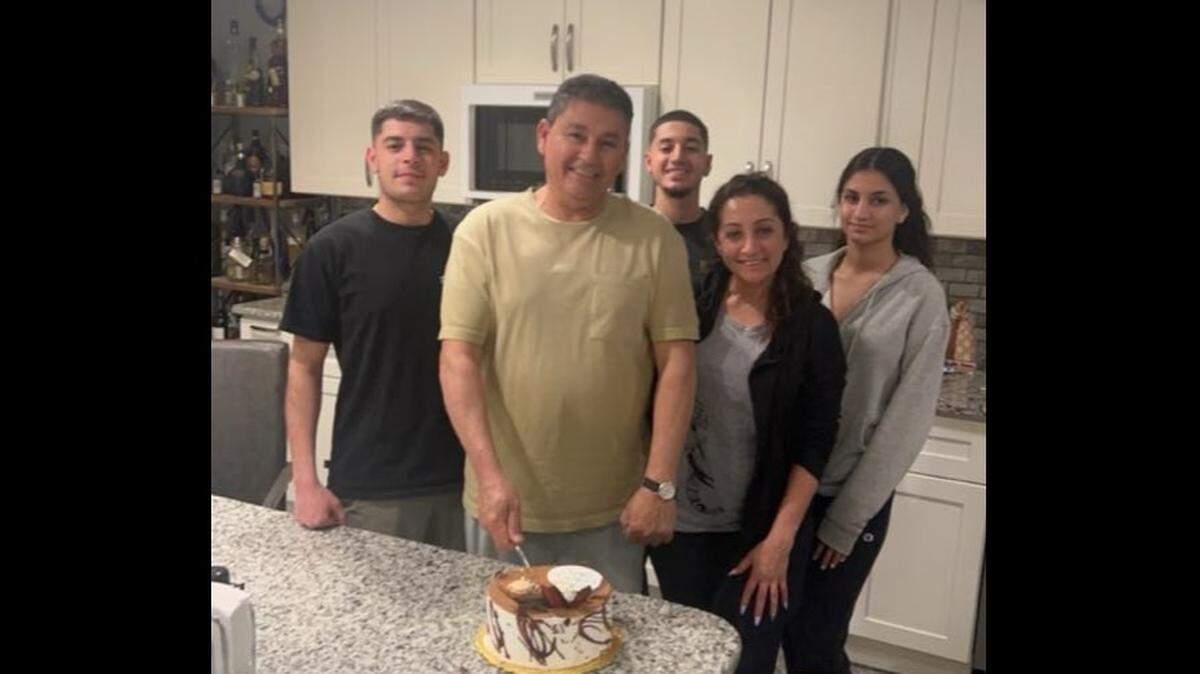
Hani Sami Stefan was driving home to Michigan after making a delivery in Denver. He was trying to make it home in time to celebrate his wife’s and mother’s mutual birthday with his children when he was killed in a wreck.
Farris Toma, his cousin, couldn’t believe all Stefan, who went by Giovanni, had survived before he died in the March 14 crash in a dust storm on I-70 in western Kansas that involved 71 vehicles, 46 people injured and eight dead.
“He has been through a lot of ups and downs,” Toma said. “God saved him from so many close calls and yet he goes to an accident. A (dust) storm.”
Until Stefan’s death, cousins said, the 60-year-old had survived more than what most people could ever imagine: he grew up poor in Baghdad, Iraq, his family was prosecuted for being Christian, his father was jailed for years and then killed by the Saddam Hussein regime, he survived multiple improvised explosive devices while serving as an interpreter during the Iraq War, he was beaten and robbed in Detroit and he had brain cancer.
“He was a survivor,” cousin Fred Toma said. “He was a hustler.”
Life in Baghdad
When Fred Toma was around 8 years old and Stefan was about 5, the two cousins made one of their regular fishing trips to the Tigris River.
They used a homemade hook and within minutes bagged a trophy: a 7-pound shabout or carp.
‘Mr. Smart pants, what are we going to do now?” Fred Toma remembers his little cousin saying, reminding him they had no way to cook it.
Stefan was hungry; so was Fred Toma.
They went to their aunt’s home, and Toma tried to negotiate selling the fish. She said one price, but Toma wouldn’t budge. He wanted a dinar. The aunt tried to tell them that she could feed them, but Toma wanted a treat for himself and his cousin.
The aunt eventually paid up.
The two went to a restaurant and ate shish kebabs to fill up. Then, they got some candy and a soda and ate their sweet treats while watching the sunset along the Tigris River.
It was a successful day.
Fred Toma remembers other times when he and Stefan stood near a busy burger restaurant and jumped out to wash windows of motorists, in hopes of making enough money to get themselves a meal.
They also cooked garbanzo beans and sold them by the cup to passersby.
No meal was a certainty for the Toma family, or for Stefan, whose father was jailed for “stealing from the rich to give to the poor” in the oppressed city, Fred Toma said.
Stefan’s mother tried hard to make a living for her two children, but it wasn’t always enough to make ends meet in the third-world country of Iraq.
Other family members were often looked to for help. But they faced difficulties, too. They were prosecuted for being Christians, both cousins said, and their father’s small retail shop was often shaken down by government officials.
Fleeing to the U.S.
The Tomas family fled from Iraq in the middle of the night in 1973 and made it to Beirut, Lebanon, where they applied to get into the United States. They made it to the U.S. in 1974.
Stefan’s father, at the plea of family, was eventually released from prison but was then killed during broad daylight in 1976 by Hussein’s regime because of political persecution, Farris Toma said.
Stefan was about 12 years old.
As a teen, Stefan fled to Italy, where he did what he had to do to survive. He took odd jobs and slept in the park, Fred Toma said.
Stefan’s name was too difficult for Italians to say, so he adopted the name Giovanni. He tried to stay in touch with his family who had made it to the U.S. They sent him money at times.
“We didn’t know how dire it was,” Fred Toma said.
Another family member sponsored Stefan so he could come to the U.S. in the early 1980s. They were all in Michigan.
In the U.S., Michigan has the highest percentage of its residents who come from the Middle East or North Africa, with close to 3%.
There, Stefan made a living doing whatever he could: tile, drywall, painting, driving a limo driver and fixing and flipping houses.

He started to get ahead. He married his wife, Rana Jamel, in the late 1990s, and their family started to grow shortly after that.
Going back to Iraq
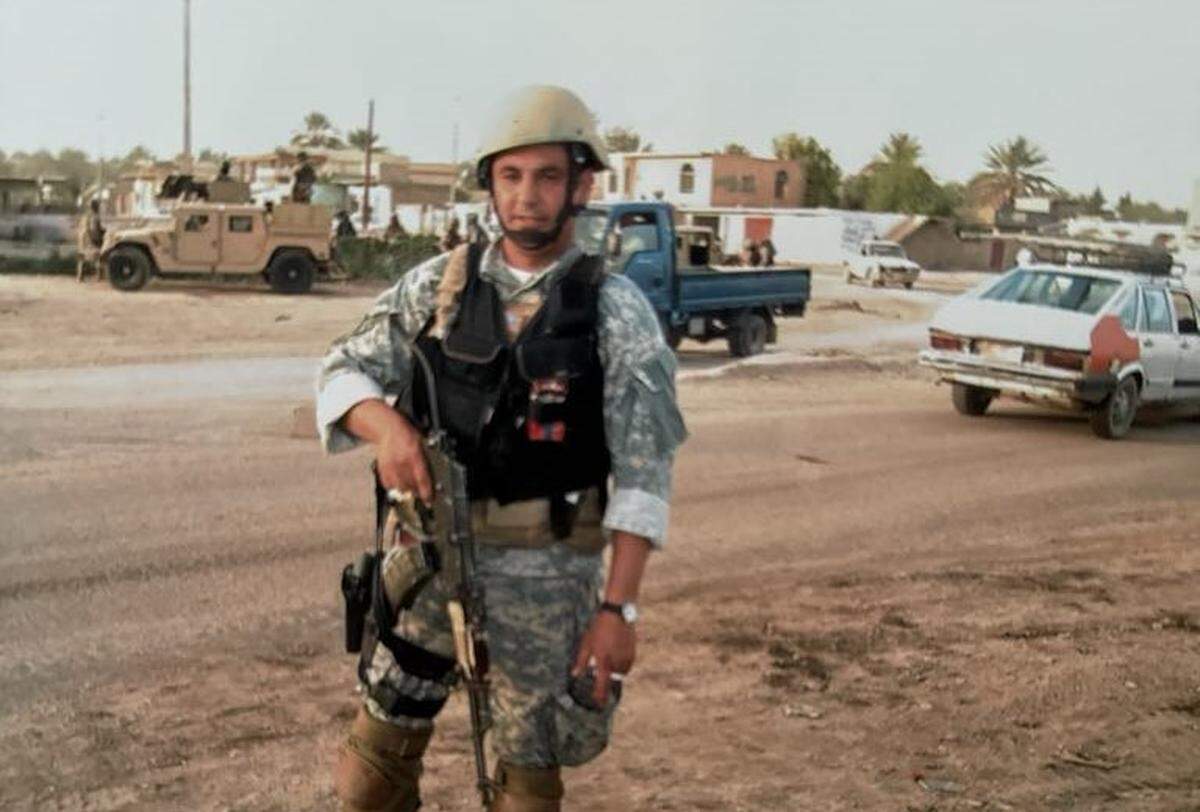
Even with a young family, the money to be made as a contracted linguist/cultural advisor for U.S. soldiers in the Iraq War was too good to pass up.
Stefan and Farris Toma both took jobs.
Stefan spoke several languages, including Latin, Italian, Aramaic, Arabic and was still working to expand his vocabulary in English, where his favorite words were shenanigans and hub bub, Fred Toma said.
Stefan was assigned to work with special forces based at Camp Paliwoda in Balad, Iraq.
“He was in a very bad area,” Farris Toma said. “They did crazy operations in the middle of the night.”
Toma said Stefan had a couple of IEDs explode around him, but was never injured. In addition to interpreting, Toma said they helped with cultural advice, like not to shake the hands of women and to never decline food that is offered to you.
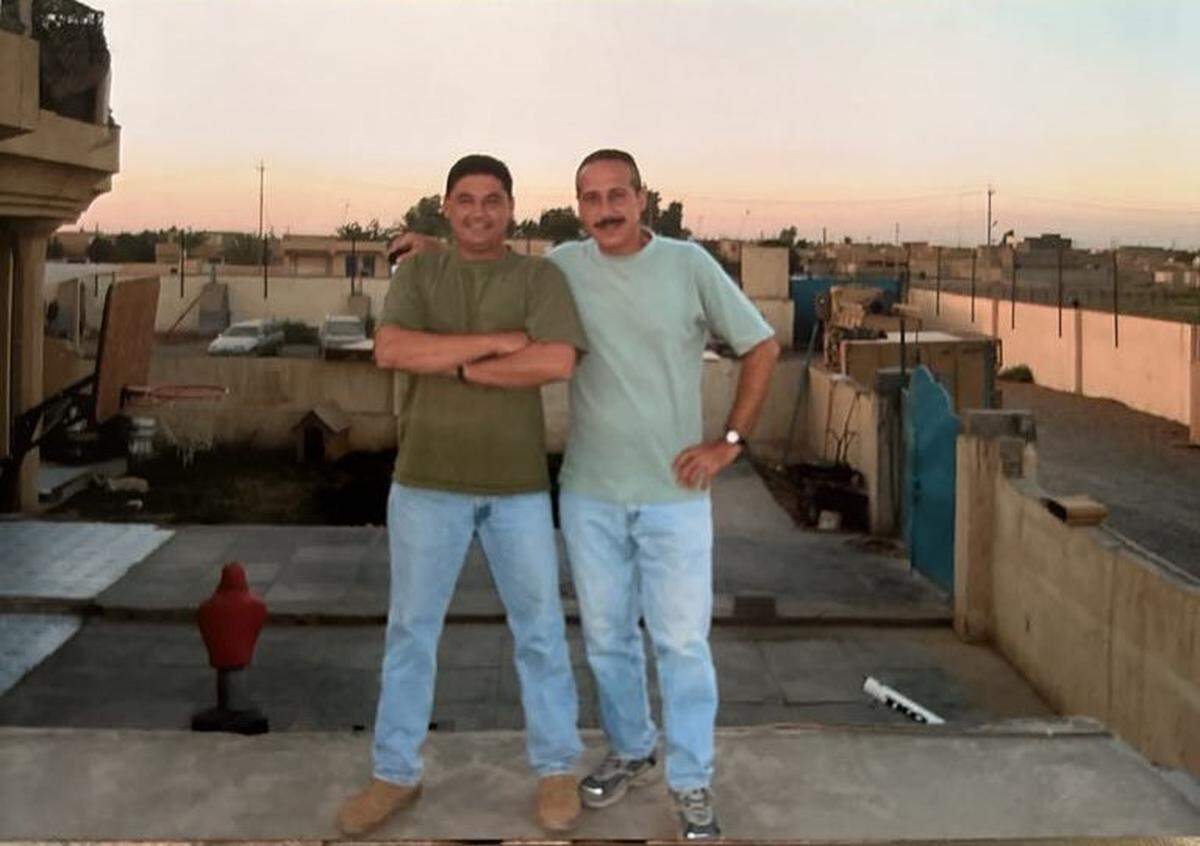
Stefan did the work for more than two years before deciding it was too dangerous.
Stefan and his wife continued to grow their family: having two sons, Julian and Javin, and then a daughter, Jolien, who he called Angelina as reference to angel.
Taking various jobs

Stefan took various jobs to make sure he made enough money to support all the needs of his family.
“The guy was full of life,” Toma said. “He took care of his family. He loved his kids. He had a happy outlook. Always smiling, always smiling.”
Toma said Stefan was the go-to guy to call in the family because of how handy he was.
“He was a Jack of all trades and willing to help,” he said.
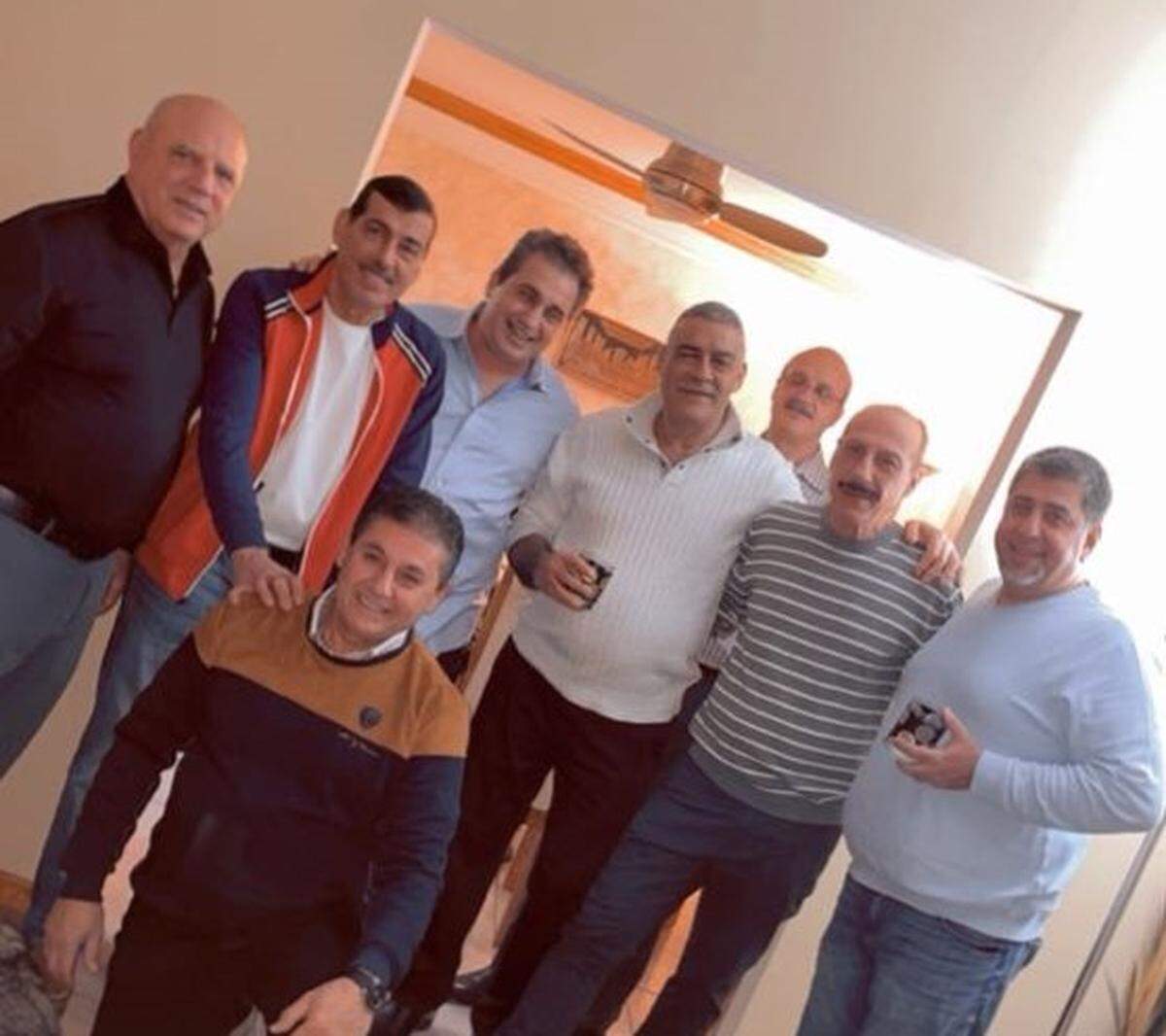
While working in Detroit, he was beaten with a blunt object to the head and robbed, according to both cousins.
Both wondered how that beating played into a malignant brain tumor he was diagnosed with -- but survived -- years later.
After years of hard labor, he decided to take a job delivering packages across the country in a van.
He bought his first van in the mid-2010s and then upgraded to the one he was driving during the crash, a 2024 Mercedes Sprinter that Toma said had all the bells and whistles.
Stefan drove to Denver before heading back to Michigan on March 14. He wanted to make it home to a birthday party for his mother and wife the next day.
But he never made it.
At his funeral, Stefan’s daughter, Angelina, cried and asked Fred Toma who was going to walk her down the aisle.
“He loved them to death,” Toma said.
Stefan is survived by his wife, three children, mother, sister, his cousins and other extended family.