
New nonprofit in Wichita will offer resources, place to gather for people in recovery
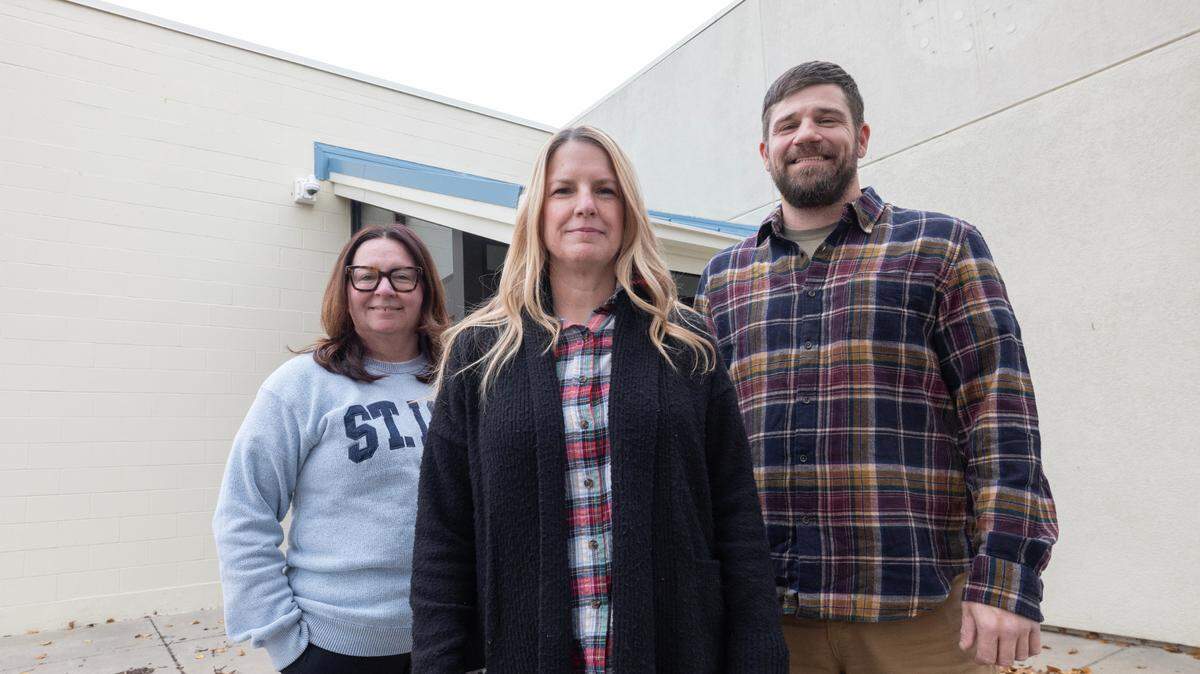
When Travis Cox got sober more than six years ago, he said it was hard for him to find a place to hang out away from drugs and alcohol — or even know where to start to find help.
“It was an unknown to me,” Cox said.
A new nonprofit, the Wichita Recovery Hub, wants to change that.
Once it moves into its new location at 120 S. Ida, it’ll have space for recovery meetings, job training, life skills classes, and a community area.
“How many times do we make some poor decisions when we are bored, when we have nothing to do?” Cox said. “We used to occupy that time with destructive behavior. Now maybe we can go somewhere and occupy that time with a constructive behavior.”
Cox is one of several people who has worked with Carrie Corliss, a board member of the Hub, the past two years to get the nonprofit started.
According to Corliss, the idea came from Sue Banbury, who owns several sober living homes in Wichita.
Banbury spent much of her time in Pratt, where she recalled there being a social club for people in recovery in the ’90s. Corliss helped Banbury start the Hub.
“Where folks could go and hang out and have a safe place to be,” Corliss said. “I think in her mind, at least, something like that was what she was hoping for here in Wichita.”
The Wichita Recovery Hub is part of the Recovery Cafe Network, which has a model it created for social clubs like the Hub.
To be a member of the Hub, a person has to be substance free in the space, contribute something to the group, and attend recovery meetings of their choice.
“We want to take the broadest overview of recovery,” Corliss said. “So somebody might be in recovery from an addiction, or it might have been some trauma that manifested in homelessness, a mental health challenge, or combination. A lot of times there’s a combination.”
Along with recovery meeting spaces, many of the cafes also have kitchens. Corliss said she eventually would like to have one.
The new space, which they’ll share with the human trafficking prevention nonprofit ICT SOS, is temporary while they look for a location that meets all of their needs.
“We don’t want to start with everything all at once,” she said. “That would be a recipe for failure. So, starting small and growing as the need grows and as we see where the gaps are.”
While searching for a place to locate the Hub, the group also started the Wichita Recovery Coalition. The coalition brings together providers that work in recovery to network and collaborate on issues that could affect people seeking help.
Cox is a member of the coalition through his job with the Friends of Recovery Association, a group that helps support Oxford sober living homes.
“We’re trying to break down all these barriers,” Cox said.
Forging those partnerships and creating a system that’s easier to navigate are important to ensuring longterm recovery, according to Krissy Buck, who works on the communications team.
“It’s an empowering tool when you come alongside somebody and you do it with them,” Buck said. “It’s much more empowering than doing it for them.”
With providers collaborating, and a social space like the Hub, the group hopes that it’ll create a more streamlined process for people who are seeking help with substance use issues.
“Sometimes, I think our sober homes become our social group, which isn’t bad,” Cox said. “Our meeting hall becomes our social group, but there’s so much more than that one or two halls that you go to. There’s so much more than that house or two that you’re in and around.
“There’s a whole network here in town, and if we can broaden it and … come together as one, that’s where the new person can go that maybe doesn’t know much about anything, and maybe they start to learn, they can start to figure it out, to be around those people, to be around that environment.”
There’s still some work still left to do on the new space. Corliss said the group plans to open by March.
The Hub is also recruiting volunteers to hold meetings and classes in the new space, along with seeking donations for food and beverages for its members. Those interested can go to wichitarecoveryhub.org to learn more about how to get involved.
This story was originally published January 5, 2025 at 4:55 AM.
CORRECTION: Carrie Corliss is a board member of the Wichita Recovery Hub. A previous version of this story misidentified Corliss’ role.