Kansas reports statewide uptick of pneumonia in children. Is it hitting Sedgwick County?
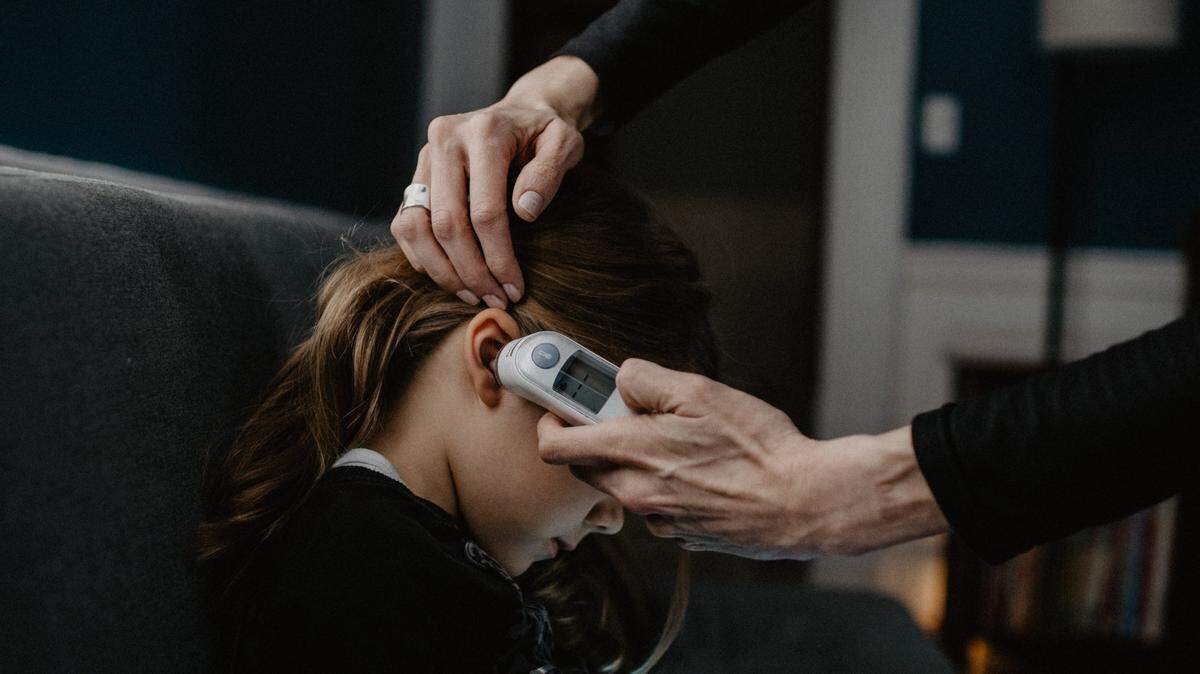
Sedgwick County is expecting a rise of respiratory viruses, just as the Kansas Department of Health and Environment reports a rise in cases of pneumonia among children.
The KDHE said in an Oct. 25 press release that Kansas emergency departments have seen a rise in visits for a type of pneumonia, especially in young children. The rise has been reported both nationally and statewide.
Individual cases of pneumonia aren’t reported to the state, however, so Sedgwick County Health Department Director Adrienne Byrne couldn’t say if the county has seen that trend.
And when it comes to other respiratory viruses, Byrne said the county hasn’t yet seen an uptick in emergency room visits due to illnesses like COVID, the flu and RSV.
“We are anticipating all of this to rise after Thanksgiving, through January at least,” Byrne said.
The rise of respiratory cases is normal during the holiday season, but people can still take steps to be careful.
“As always, good hand washing [and] hygiene, washing between our nails, covering our cough, staying home when you’re sick,” Byrne said. “And if you do go to work and you’re sick, wear a KN95 mask [and] getting vaccinated for other respiratory illnesses.”
The most common symptoms of respiratory viruses are a runny nose, congestion, cough, sore throat, sneezing and in some cases, a fever.
What to know about M. Pneumoniae in Kansas
The KDHE reported that the state has seen an increase in emergency department visits due to cases of a bacterial infection caused by Mycoplasma pneumoniae in children — which can lead to pneumonia.
The bacterial infection is spread by people breathing in water droplets that are produced when someone who is infected coughs or sneezes. The spreading of the disease usually occurs in crowded places, like schools.
Cases of the infection are known to be mild, usually resulting in a fever and a cold. Serious cases can happen that can lead to serious pneumonia, asthma and in the worst case encephalitis, which is a brain disease.
Because M. Pneumoniae is spread through bacteria, it can be treated using an antibiotic.
This bacterial infection is most common in those ages 5-17, according to the department, but anyone can get sick. Symptoms include:
- Fatigue
- Fever
- Headache
- Sore throat
- Cough
The CDC says that children younger than 5 can instead experience diarrhea, vomiting, sneezing and wheezing. Byrne said if someone with the infection is experiencing wheezing, they need to seek immediate medical care.