
Sedgwick County could cut health department by $780,000
A lot changed in five days for health care program Project Access.
The program that provides donated medical care, medications and equipment for uninsured, low-income Sedgwick County residents got an additional $25,000 from the Board of County Commissioners last Wednesday.
But, on Monday, county staff presented a recommended budget that cut the program’s entire $200,000 slice of county funds, a quarter of the program’s total funding.
“Well, I’ve had better days,” said Anne Nelson, executive director of the Central Plains Health Care Partnership, which administers the program.
“It feels a bit schizophrenic,” Nelson said. “It’s frustrating the county board of health is not more supportive of public health.”
In all, programs for health and human services are facing about a $1 million in cuts next year in reduced funding for nonprofits, canceled contracts, reduced support for existing programs and elimination of some programs and full-time positions.
The cuts would impact programs and grants that perform immunizations, combat infant mortality, help the uninsured get access to medical care and health screenings, help at-risk youth and assess community health.
$780,168 in proposed cuts
The Sedgwick County Health Department faces $780,168 in cuts in the recommended budget.
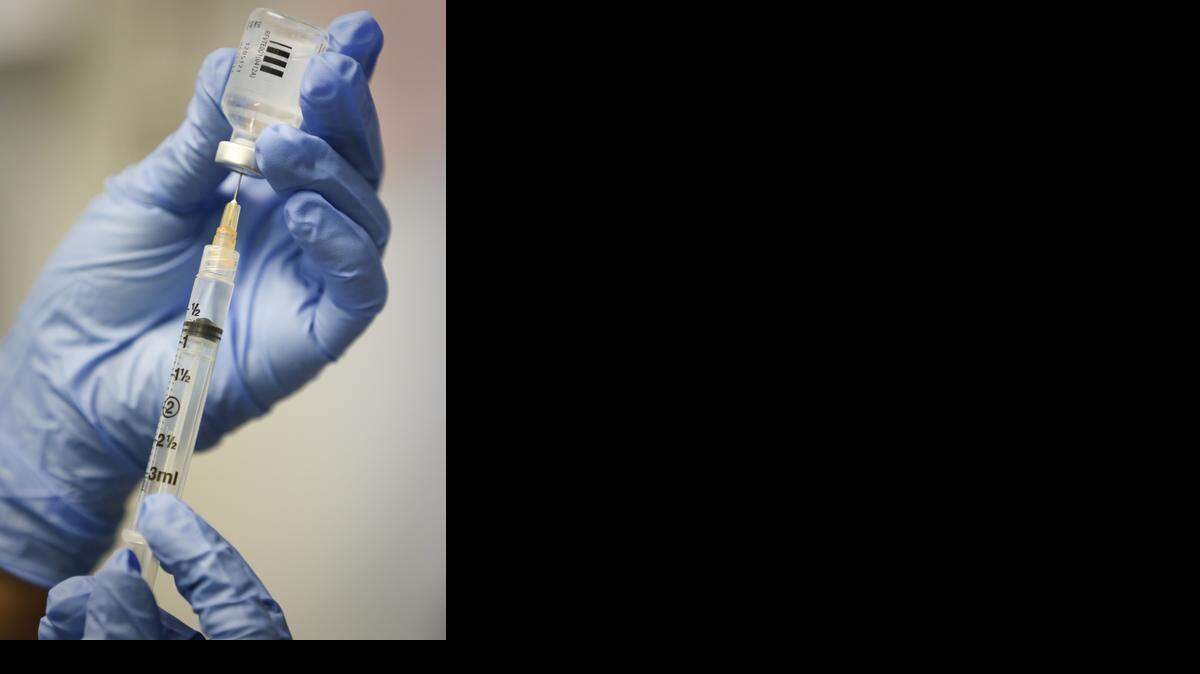
About $89,000 will be reduced from the county’s immunizations program that serve adults and children, said Tim Kaufman, the county’s health and human services director.
In addition, a specialty immunizations program aimed at low-income families participating in the federal Women, Infants and Children (or WIC) nutritional program will lose about $39,000.
“We tried to make it easy for those families for the kids to get immunized and so we would send staff to the WIC locations so they could do immunizations while families do their WIC business as well,” Kaufman said.
The health promotion, health navigator and health educator programs are solely county-funded so they will cease to exist, Kaufman said. Those programs total almost $200,000.
Under one local program, health navigators go out into the community and try to help people take advantage of existing health care options, Kaufman said.
“Those navigators won’t be able to do that anymore,” Kaufman said.
The health promotion and health educator programs had similar functions of encouraging residents to make healthy lifestyle choices.
The Early Detection Works Program provides breast and cervical cancer screening for women aged 40 to 64 who are underserved or uninsured. The program was eliminated in the budget.
The county would also cut almost $50,000 in tax funding for the Community Health Assessment Program, which gathers information used by hospitals in healthcare planning.
The cuts are puzzling to some in the medical community.
Jon Rosell, executive director of the Medical Society of Sedgwick County, said the county’s new direction does not line up with the county commission’s traditional responsibilities in its role as the county’s board of public health.
“If they’re not going to fulfill their responsibilities as a board of health, then give that responsibility to somebody else in the community that can do the job,” he said.
He said the commission majority is “essentially eliminating significant pieces of our public health infrastructure that have been built over decades.”
“The question is, why?” Rosell said. “This is inconsistent with how a board of health should function.”
‘Not a county obligation’
But some of the county commissioners have questioned the county’s role in public health programs.
“I love what Project Access does and I think it’s very important to our community, but it’s not simply a county obligation,” said commissioner Jim Howell.
Howell argued the city of Wichita is not pulling its fair share of weight for Project Access since the majority of the city’s slice comes from grant money.
“I would like to see (the city) increase some funding or fund if we don’t get a grant to cover our share of that,” Howell said.
The city of Wichita, and not other county residents, is the primary beneficiary from the program, he said.
“The vast majority of people who receive that money are actually city of Wichita citizens,” he added.
Chairman Richard Ranzau said tough decisions must be made in every budget.
“The opposition of this year’s budget will be ideological and there will be a lot of ranting and raving and that’s disappointing,” Ranzau said.
Ranzau said the county had to look for different ways of doing things, including health programs.
“You take three immunization programs in the health department, you combine them together and you make them sustainable by themselves,” Ranzau said. “You can’t just say, ‘This is the status quo and we’re going to keep doing it.’”
The county’s health cuts symbolize a larger shift in priorities, said Gianfranco Pezzino, a physician and senior fellow in public health with the Kansas Health Institute.
“It seems to me that the County Commission is making pretty clear choices here to favor an environment in which the whole government is smaller, particularly the role of government in supporting residents that are facing challenges,” he said.
Rallying support
Rosell said he hopes the medical community can sway the commission to reverse some of the recommendations. The final budget is scheduled to be approved on Aug. 12.
“We’re going to communicate clearly to our membership and we’ll be communicating to other organizations across the community, to try to convey to the county commissioners the importance that taxpayers place on these basic, fundamental, public-health blocking-and-tackling services.”
They’ll join a larger debate over the role and scope of county government that is sharply dividing the commission.
In the meantime, the health department and medical groups will have to weigh what to do if funding is not restored to 2015 levels.
The county health department, overall, would lose the equivalent of nine full-time employees under the recommended budget. In the 2015 budget, it has the equivalent of about 150 full-time employees.
Kaufman said the county will still try to serve low-income groups after the potential end of a program, like the WIC immunization program.
“We hope to be able to continue serving those populations,” Kaufman said.
But Pezzino said health departments have a responsibility to “work on things that no one else can work on.”
In Sedgwick County’s case, a big part of that is the community health assessment, which identifies factors in the community that make it difficult for people to live healthy lifestyles, he said.
“There really is no one else that can do a good, well-done community health assessment if the health department doesn’t do it,” he said.
“Essentially you do not know what your health problems are, and so you do not know what your community health priorities should be,” he said. “It would be like having a fire response plan for a fire department without knowing where your fire hydrants are.”
Nelson said Project Access would have to raise additional money if it lost all of its county funds for 2016.
“We hope the community would be willing to rally and support Project Access,” Nelson said.
“(But) I don’t know how we’ll do that,” she said. “There’s no alternative except to reduce our program.”
Nelson said she’s concerned about the road the county is heading down with its support for people in need.
“I’m so disappointed in the direction we’re heading as a community when we don’t prioritize the health of our public.”
Reach Daniel Salazar at 316-269-6791 or dsalazar@wichitaeagle.com. Follow him on Twitter: @imdanielsalazar.
This story was originally published July 20, 2015 at 8:27 PM with the headline "Sedgwick County could cut health department by $780,000."