
GraceMed has raised $340,000 for health screenings for residents near chemical spill site
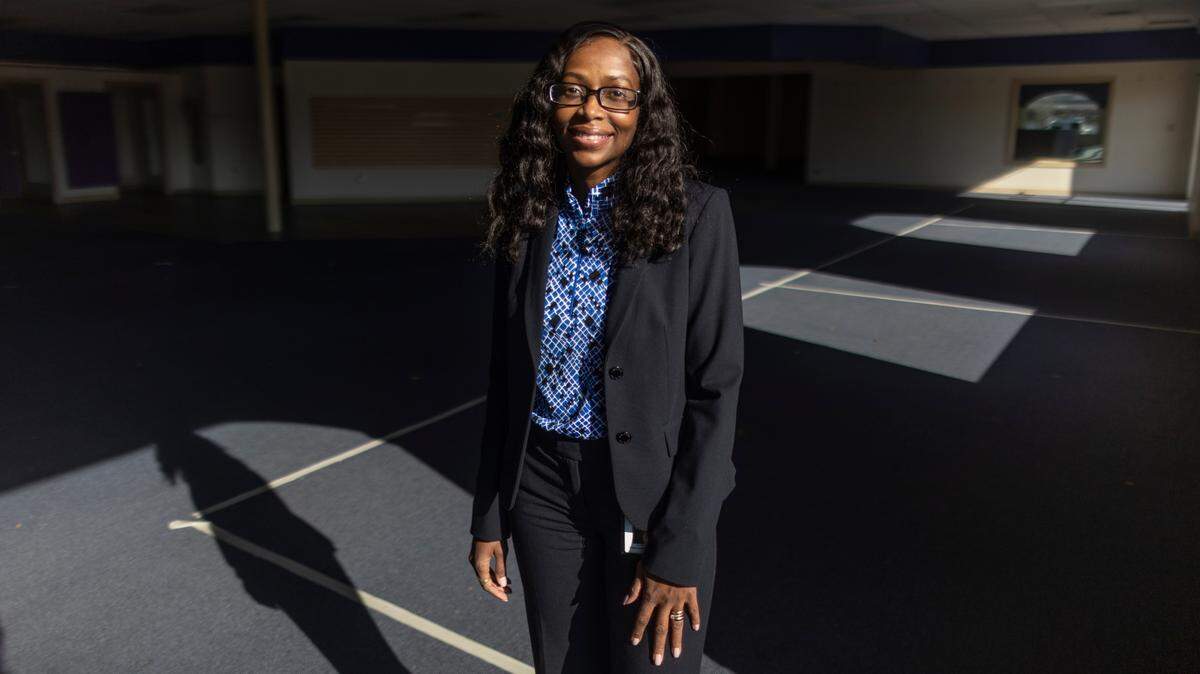
GraceMed Health Clinic has raised roughly $340,000 in private donations to pay for past and present residents of the 29th and Grove contamination site in northeast Wichita to receive health screenings.
A leading gift of $200,000 from Minnesota-based healthcare company UCare will allow the community clinic to conduct a range of blood and urine tests to evaluate liver and kidney function and screen for cancers.
The first health study in the affected area since the trichloroethene (TCE) spill was identified in 1994 at the site of the Union Pacific railyard found significantly elevated rates of liver cancer diagnoses among residents.
“Bring any documentation to show you lived there or that your loved one lived there, but don’t be distracted if you don’t have it,” GraceMed CEO Venus Lee said at a community meeting Saturday. “We may end up dealing with the honors system, but at this point, we just want to get people tested.”
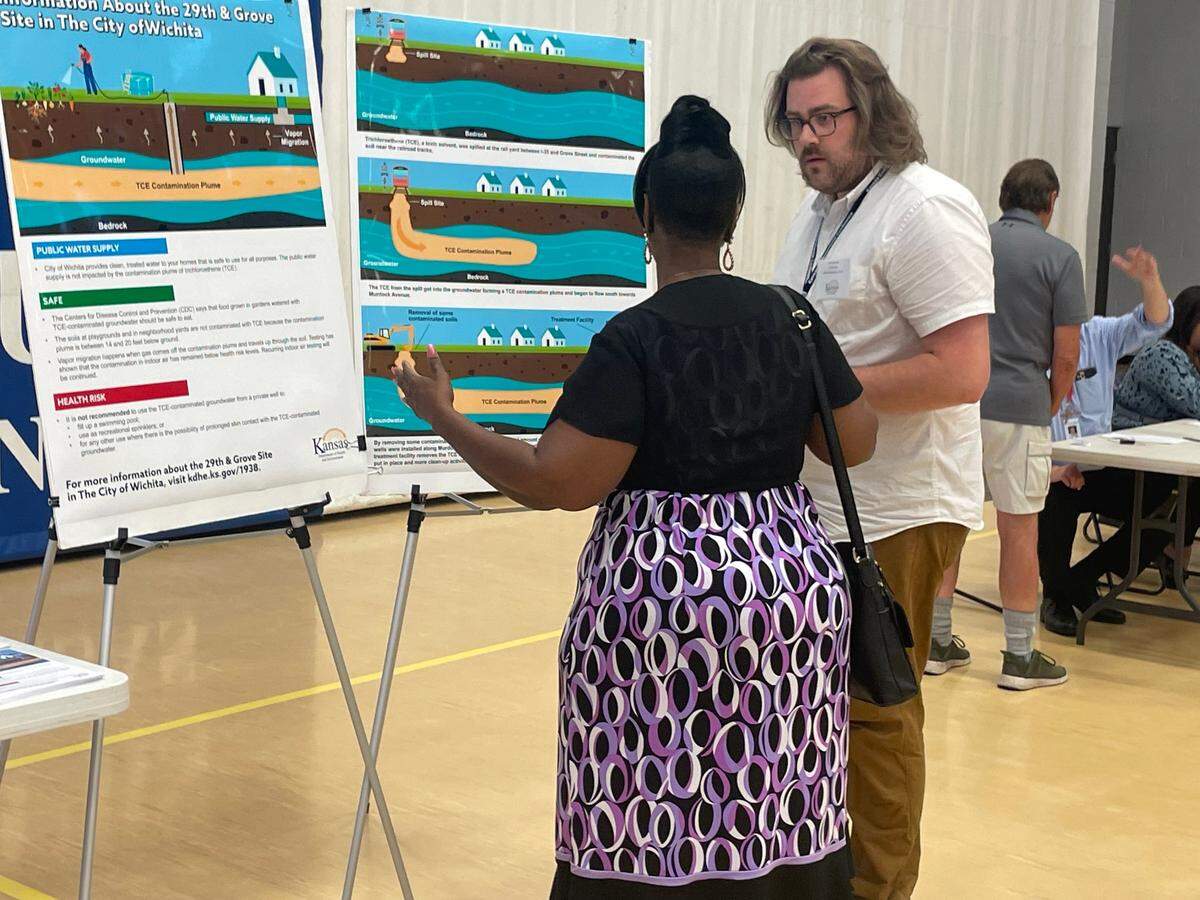
TCE exposure, which occurs when a person breathes, ingests or touches the chemical, can increase the risk of cancer, particularly kidney cancer, according to the U.S. Environmental Protection Agency. The spill is believed to have happened as early as 1970, and remediation efforts have been underway since 2004.
Funding for health screenings and treatment related to possible diagnoses is not included in the $14 million final cleanup plan that the Kansas Department of Health and Environment is requiring Union Pacific to pay for.
The state, Sedgwick County and the city of Wichita have also not contributed any funds for medical expenses related to cancer diagnoses.
“The $14 million — I wanted to know if some of it could be used for testing the people in the neighborhood, but I was told that it was not. It was for the cleanup itself,” said James Roseboro, who lives in the affected area. “But to me, testing the people, I mean that’s just the reality. It would be part of the cleanup.”
Testing and cleanup
At Saturday’s meeting, Union Pacific laid out its state-approved plans for remediation along the 2.9-mile plume of polluted groundwater that runs under several of Wichita’s historically Black neighborhoods.
“Over the years, we’ve collected thousands of samples of the soil, the groundwater, the air,” said Rebecca Rowey, Union Pacific’s senior manager for environmental site remediation.
“The soil in the neighborhood is safe, the drinking water that you get from the city of Wichita is safe, and the data collected today says that the indoor and outdoor air is safe.”
More vapor testing is planned for the next year, including retesting air in schools and other buildings in the project site. Groundwater testing is still being completed on a quarterly basis, along with testing at Chisholm Creek.
The last two tests of creek water have found no TCE present, Rowey said, after previous tests indicated low levels of contamination.
The remediation plan calls for extracting and treating groundwater before discharging it back into the creek or injecting it back into the ground. Five separate treatment buildings roughly the size of a single-car garage will be constructed on city property while the remaining infrastructure will be underground.
Field studies and engineering designs still have to be completed before installation of groundwater extraction/injection wells and piping takes place in 2024 or 2025. After installation, water-treatment efforts are expected to last another 10 years.
Rather than allowing meeting attendees to address the room, facilitators with Union Pacific, KDHE and the Kansas Leadership Center directed residents to write their feedback down or ask questions to staff sitting at tables scattered around the Boys and Girls Club gymnasium.
Former Wichita City Council member Lavonta Williams characterized the meeting as poorly run and dysfunctional.
“It’s very important that everybody hear the same thing at the same time so that we all know how to move forward together,” Williams said.
“People need to be heard. That’s the main thing. Let them speak and let them ask questions.”
This story was originally published June 24, 2023 at 6:37 PM.