
IRC asking for Wichita volunteers as more Afghan refugees prepare to settle in city
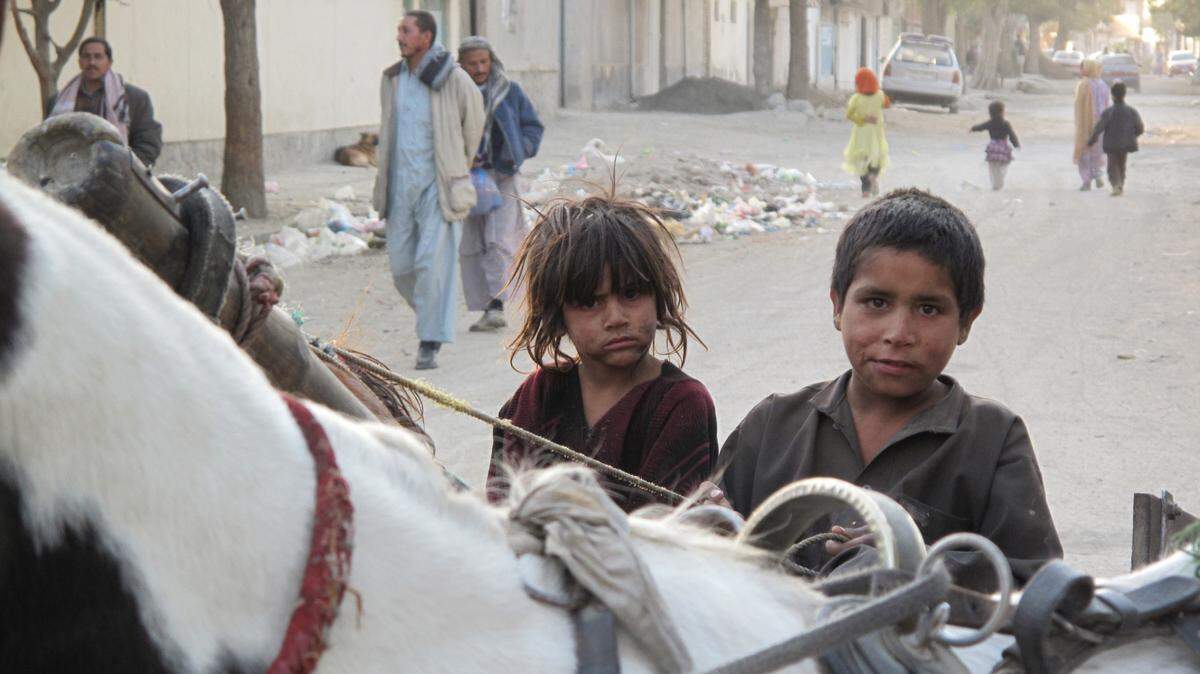
The International Rescue Committee projects it will settle 950 refugees in Wichita this year — ninefold the 106 refugees resettled by the nonprofit in 2021 — and local officials are asking community members to step up and help transitioning families.
Executive Director Sarah Terlouw said 400 of the people IRC expects to relocate to Wichita this year were evacuated from Afghanistan after the country fell to the Taliban last August.
“The Afghans were evacuated out in August, September, and they were put onto these military bases across the U.S.,” Terlouw said.
They’ve stayed on the bases until organizations such as the IRC are prepared to receive them.
“It’s been this completely unplanned, unforeseen surge of arrivals . . . into Wichita, and a wonderful community to receive them,” Terlouw said.
Afghans started arriving the first week of October, and the last of the refugees are expected to make it to Wichita by Feb. 15, she said.
“There was a very tiny Afghan community here already, and so they have been incredible,” Terlouw said.
“They’ll help us with families, picking them up at the airport. They help with the sort of cultural orientation of ‘This is an ATM.’”
She said some Afghanistan War veterans have also helped with the first wave of support for families arriving in Wichita.
“A lot of U.S. servicemen worked in Afghanistan, and they built relationships with the people of Afghanistan. We have a lot of support from that community as well that’s in Wichita,” Terlouw said.
The scope of the IRC’s work goes well beyond simply welcoming families to the city.
“Every family, we find them housing. We buy them furniture. We get them bus passes. We get their kids enrolled in school. We help them learn English. We help them find jobs,” Terlouw said.
But they can’t do it without community volunteers.
“We desperately need volunteers,” Terlouw said.
“We need volunteers to help us get people to medical appointments. We just need them to help with transport. We need them to help put together a house — put the forks in the drawer and put the carpet on the floor — that sort of thing. We need volunteers to teach English if they have certain skills, like English as a second language teaching. All sorts of things.”
And preparing houses for incoming families is no small task.
“A household setup requires a package of items — silverware, plates, bowls, blankets, sheets,” Terlouw said. “If people could put kits together which would have a package of all the items a new family needs or if they could give us 10 blankets that we could put into a kit that every family needs, those are also some of our biggest needs.”
Terlouw said the Rotary Club of Wichita and multiple church groups have already generously donated their time and resources.
Volunteer and donation opportunities can be found on the IRC’s website, www.rescue.org/united-states/wichita-ks.
New office
January marked the 10-year anniversary of the IRC’s original Wichita office, which was near Harry and Oliver.
This week, the group celebrated the opening of its expanded 14,000-square-foot office space downtown in the Arena District.
Terlouw said that with the influx of refugees to Wichita, the facility expansion was a must.
The nonprofit, which was founded in the lead-up to World War II, has always been committed to assisting people displaced by conflict, she said.
“We were established to basically help refugees and those fleeing conflict, and that mandate has never changed,” Terlouw said.
She said Wichita has traditionally been a place “where refugees could get up and stand up on their own two feet and make a contribution quite quickly.”
Through the years, Wichita has taken in a numerous refugees, including those from Sudan, Vietnam and the Democratic Republic of the Congo.
“It’s safe. The cost of living is lower than many other places,” Terlouw said.
“There have always been employment opportunities and lots of jobs available.”
She said the IRC, which has a presence in more than 40 countries, has also expanded its mandate to include helping other vulnerable people in need.
“We tend to emphasize the refugee piece. However, we do a lot with immigrants (and) survivors of trafficking,” Terlouw said.
But the last few months have been consumed with preparing for and settling in Afghan refugees, and Terlouw said we have a moral obligation as a community to help.
“The U.S. made a commitment to help those who supported the U.S. while we were in Afghanistan,” she said.