
Policy changes could help reduce injuries, accidental deaths in Kansas, study suggests
Kansas isn’t the worst state when it comes to injuries or unintentional deaths, but it’s also not the safest.
A study titled “The Facts Hurt” measured injuries and deaths in each state and evaluated states’ use of policies and strategies that help reduce injuries and violence. Trust for America’s Health, a nonprofit, nonpartisan organization, and the Robert Wood Johnson Foundation released the study Wednesday.
The study outlines how deaths and injuries from freak accidents, such as childhood drownings, pedestrian and bicycle injuries, car crashes, falls or drug overdoses, aren’t so freakish after all.
“Research shows they are very predictable and actually very preventable,” said Jeff Levi, executive director at Trust for America’s Health.
Through public policy strategies, Levi said, states can help decrease the number of people who die from those types of accidents each year.
Injuries are the leading cause of death for 1-year-olds through 44-year-olds.
Levi said injury rates vary drastically around the country. The eight states with the highest injury rates have more than twice as many deaths per year as the states with the lowest rates, he said.
Because of that, the researchers say, it’s paramount for states to make laws intended to help lower those death rates.
“It’s not rocket science, but it requires common sense and good policy making,” Levi said.
How Kansas compares
Kansas ranks 22nd among states in the overall injury death rate.
Kansas rates worse than the national average in deaths and injuries from car crashes, suicide and falls by the elderly.
But Kansas fares better than average in deaths and injuries from drug overdoses, homicides and child maltreatment.
The report focused on 10 indicators, such as laws, policies and programs, to rate a state’s prevention efforts for injuries and violence. Kansas has five of those 10 recommended policies and programs. New York, the state with the best rate, had nine in place. States with only a few of the recommended policies and programs included Florida, Iowa, Missouri and Montana.
The researchers outlined many policy changes to address prescription painkiller use and heroin overdoses and talked about the rising epidemic among middle-age adults who are originally prescribed painkillers before becoming dependent on them.
But Corinne Peek-Asa, professor and associate dean for research for the College of Public Health at the University of Iowa, said it’s important not to let injury and death causes fall by the wayside.
“As a country, we often focus on new troubling trends,” Peek-Asa said, referring to the prescription drug overdose epidemic. But she said, “We can’t afford to neglect the persistent.”
Persistent problems – like car crashes and falls among the elderly population – can be influenced by both laws and educational programming.
Driving policies
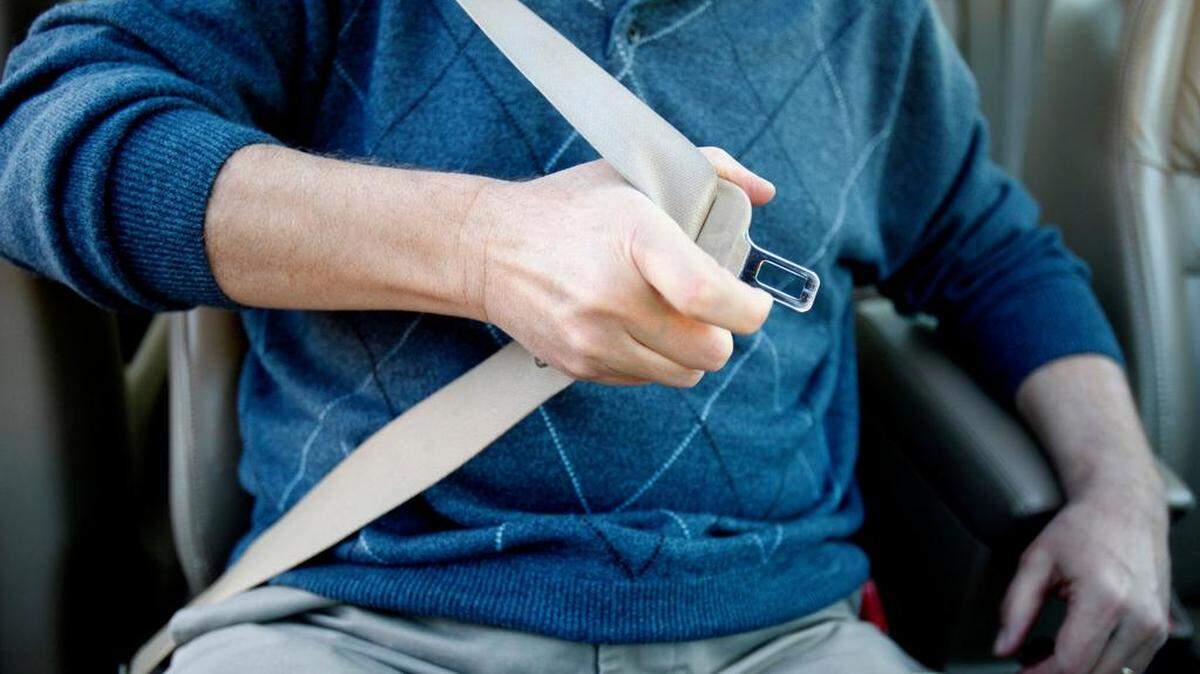
In Kansas, adults who are caught not wearing their seat belts in a vehicle can be fined $60. Raising the fine to $100 could increase seat belt use by up to 10 percent, according to a National Highway Traffic Safety Administration study.
Distracted driving also can be curbed by policy changes.
A 2010 Kansas survey found that only 2 percent of drivers between the ages of 18 and 30 said they never texted while driving. Furthermore, 92 percent reported reading texts while driving, 81 percent reported replying to texts while driving, and 70 percent said they initiated texts while driving.
The good news is Kansas does have a ban on texting while driving. The state also has a primary seat belt law, requires car seats or booster seats for children younger than 8 years and requires mandatory ignition interlocks for some convicted drunk drivers.
But, researchers said, Kansas has only a six-month restriction on teen nighttime driving. And Kansas does not require bicycle helmets for all children.
Reach Gabriella Dunn at 316-268-6400 or gdunn@wichitaeagle.com. Follow her on Twitter: @gabriella_dunn.
This story was originally published June 18, 2015 at 7:28 AM with the headline "Policy changes could help reduce injuries, accidental deaths in Kansas, study suggests."