
Robocallers are spoofing their way into your phone
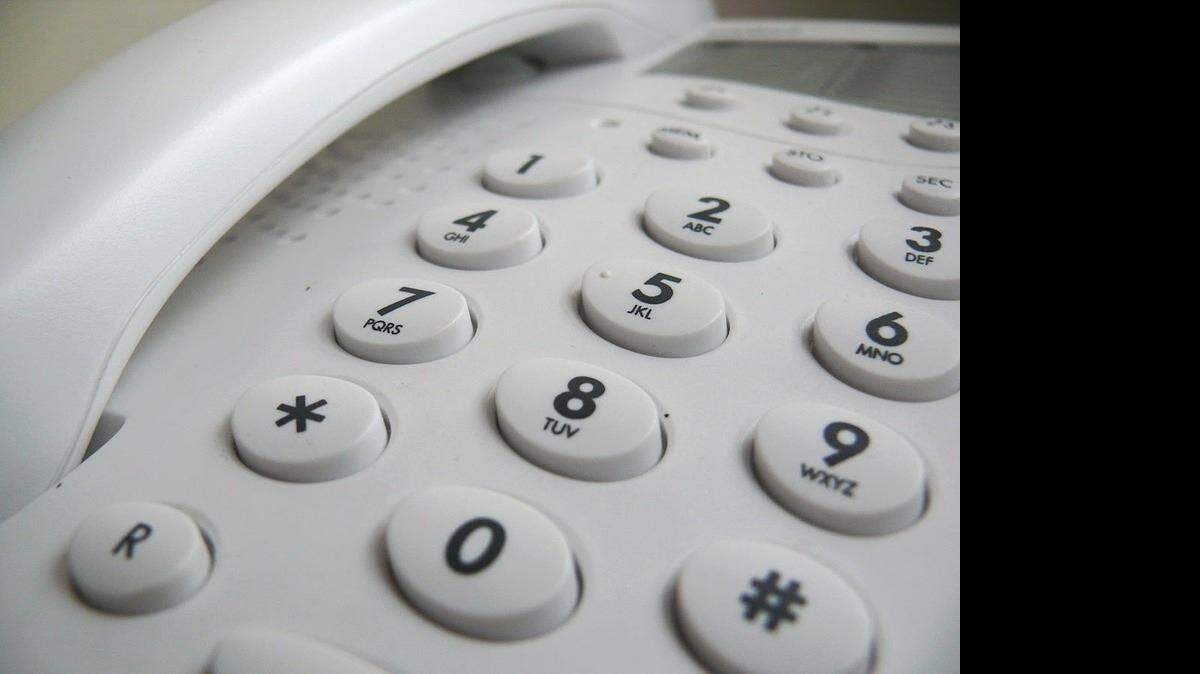
In spite of Do-Not-Call lists, caller identification technology and all the negative publicity, robocalls persist. Whether or not robots will eventually take over the world, it seems that robocalls have already taken over our phones. Internet-powered phone systems have made it easier than ever for scammers to annoy, harass and steal from consumers via the robocall.
Complicating the situation from the public’s point of view, technology enables scammers to cause your own Caller ID system to lie to you. No one can trust the readout on their phones that tells who is calling and from where. When crooks cause phone ID systems to give fake information to you, it’s called “spoofing.” Spoofing technology can make a call from across the globe falsely identify itself as being from your home town.
How robocalls work
Here is the most common path robocallers take to get their misinformation to you:
▪ Your phone number ends up on a list, either purchased from a business or taken from a public listing. (Or it may have been randomly guessed at.) A computerized system dials your number.
▪ A recorded message prompts you to press 1 to talk, or press 2 to be removed from the list. Pressing 1 puts you on a hot list and transfers you to a “qualifier.” They quiz you to see if you fit the profile they are aiming at. (Pressing 2 probably does nothing at all.) Any action on your part including simply answering the call guarantees that you will receive more robocalls in the future.
▪ If you “qualify,” meaning if you meet the criteria they are looking for, a telemarketer then comes on the line to give you a sales pitch.
▪ Now that they know you answer your calls, they will certainly call you back, probably with even more frequency.
The lesson for savvy consumers is: Never answer calls from unfamiliar numbers.
Spoofing
While the term “spoofing” sounds slightly light-hearted and almost pleasant, there is nothing fun about this kind of spoof. It refers to the malicious act of disguising an unknown source of a communication as something else entirely. It could come in the form of an email, a text or a robocall.
Robocallers have lately begun disguising their numbers so that they read out on your Caller ID with your own area code and the first 3 digits of your own phone number. That’s designed to make you think it surely is someone you know, a neighbor or relative, and fool you into answering. In some cases they actually use your entire phone number to cloak themselves.
The best defense against such spoofing and against robocalls is to not answer your phone unless you are 100 percent sure you know the person who is calling. Let unknown calls go to voicemail and then call them back if necessary.
The more you answer unknown calls, the more of such calls you will receive. Rely on voicemail or your answering machine to screen your calls.
If you haven’t already, take the time to add your number to the National Do-Not-Call list by calling 1-888-382-1222. Once you are on the registry, if you get a robocall you should report it to the FTC either by visiting ftc.gov or by calling 1-877-FTC-HELP.
Denise Groene is director of the Better Business Bureau of Kansas. The BBB can be contacted at 800-856-2417 or bbbinc.org.
This story was originally published September 15, 2017 at 5:19 PM with the headline "Robocallers are spoofing their way into your phone."