
New Wichita aviation test lab space means a run at new ideas, directors say
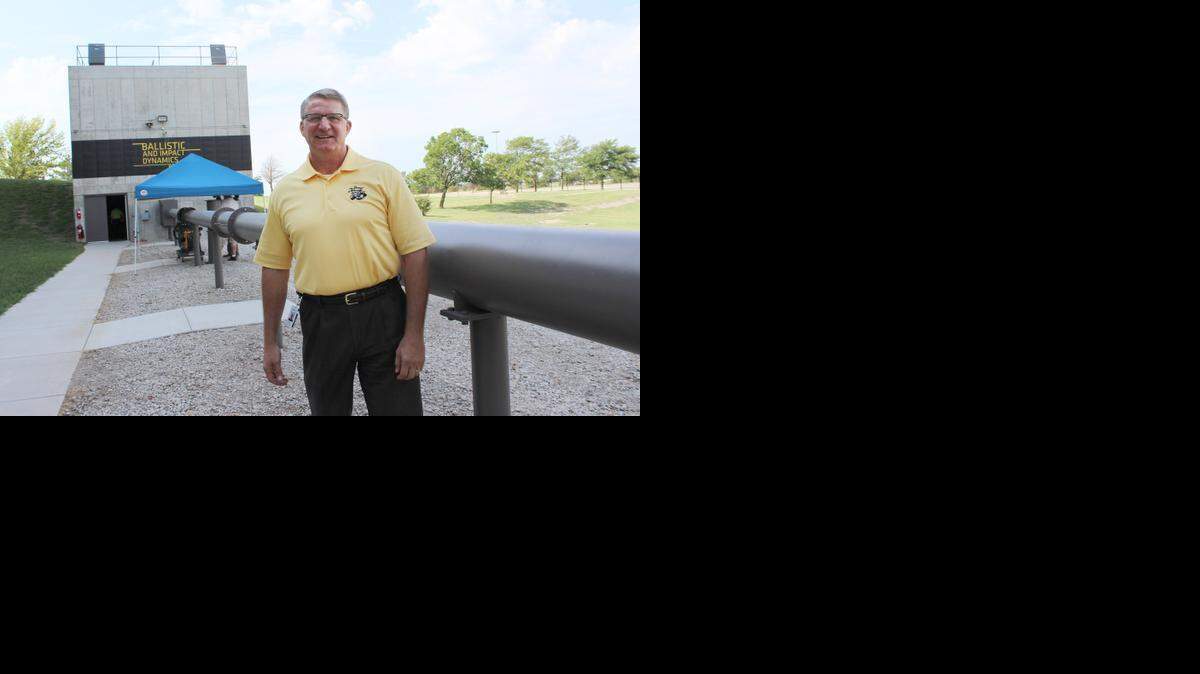
Paul Jonas and Billy Martin like to play with lightning.
They say a big new aviation test lab they plan to run in Wichita will make manned flight safer – and might also put them to work improving everything from agriculture to autos to wind-farm energy production to drone flight.
Wichita State University last week announced that its National Institute for Aviation Research will now lease space where Boeing once made airplanes.
The NIAR will move its environmental testing labs there soon, with Jonas and Martin running things.
They say this is a leap forward for all aviation, because it makes Wichita one of the few places where entire airplanes can undergo electromagnetic testing – and testing on how to survive lightning strikes.
But the new place also creates possibilities for other industries they hope to attract.
Think outside the usual outlines, Jonas says. Five things might intrigue us, they say.
Gizmos
As Jonas points out, everything including farm equipment, cars and smartphones are filling up with “gizmos”: chips, computer parts, microscopic components.
Jonas directs the NIAR’s environmental test lab. Martin directs the NIAR’s electromagnetic effects test lab. But, as Jonas likes to say, they specialize in gizmos.
They hope to make our gizmos work better.
“Billy and I have plans to make this world-class international laboratory that does more than testing for the airplane industry,” Jonas said.
“On our radar screen are other things we can do, everything from farm equipment to the parts that go into making green energy initiatives – and the big air foils that go into making windmills for wind energy. We’re now going to have the space and infrastructure to branch out into those areas.”
Agriculture
Jonas: “If you look at aviation, you see that airplanes have long been one of the most complex structures ever designed by man. They fly 12 hours a day, take off and land, and yet it’s the safest travel in the world. But one thing we’re looking at: Agricultural equipment now uses a lot of complex technology now.”
Martin: “Both Paul and I are known nationally for what we do with aviation, but what we want to do with NIAR now is grow it to do things beyond normal targets. Kansas does a lot of agriculture equipment manufacturing, in Hesston, for example. They have to have technical engineering things done and tested, and that equipment is growing in complexity.
“There’s no reason we can’t help them do that. We want to help them, and there’s no reason we can’t do that and even bring that vision they have back to aviation.”
Wind and lightning
Martin: “We test aircraft for safety from the direct effects of lightning strikes. Well, those big blades used by wind industry windmills get struck by lightning a lot. How do you protect it, how do you repair it, and how do I even determine that a blade has been struck? We want to expand to look at lightning protection for the wind industry.
“That big windmill blade is nothing more than a propeller. With the expansion of the laboratory space we’re now going to have ... well, where we’re at now, I can’t put a big blade from a windmill into a lab now. But as we expand, we can do that and use our experience to try to help improve the reliability of wind technology. Wind energy has a tremendous growth potential for Wichita and Kansas, and we can take the experience we’ve developed in aviation testing and use it to help them.”
Automobiles
Jonas: “Cars have a lot more electronic gizmos on them now than they did 10 years ago. If you thought a car had a lot of components on it 10 years ago, imagine the new cars and how they are going to be full of sensors.
“Those cars and their sensors all have to be engineered and tested for how it all reacts to electronics. You don’t change the laws of physics when you go from a car to an airplane. And you don’t want to have a car full of sensors, and you’re sitting in the back talking on a walkie-talkie – and all of a sudden your brakes fail.
“We want to branch out, including into the automobile industry. We really have gone out and put together a team with the depth of experience in technology that we’d be able to support these companies, every company out there, big or small. If we see companies that might have a great idea but may not have the technology or the specialists on their staff, we know we could help get them through their design issues.”
Drones
Martin: “Unmanned aerial vehicles, drones – that technology is exploding now, like the cell- or smartphone industries of the past decade. And industry is screaming for help and for regulation. You think industry people don’t want regulations, but actually they do. They want to know what the boundaries are. Right now, you’ve got some people making these devices in their garages.
“There are a lot of good applications for the technology in everything from agriculture to the movie industry. They are flying in the environment.
“One thing both Paul and I talked about is that NIAR, especially with our environmental test lab, is not just a laboratory but a catalyst for industry. We have the ability to bring all that to one spot, the experience and technology, at a place where we have the space. And we can provide also a multitude of other things, including access to other labs at NIAR on everything from composites to structures,
“At NIAR, everybody gets access to tools only the big boys have.”
Reach Roy Wenzl at 316-268-6219 or rwenzl@wichitaeagle.com. Follow him on Twitter: @roywenzl.
This story was originally published March 15, 2015 at 2:21 PM with the headline "New Wichita aviation test lab space means a run at new ideas, directors say."