Employer vaccine mandates still allowed after Supreme Court ruling. Just ask Carhartt
A federal rule that would have required about two-thirds of private employees to get a COVID-19 vaccine or submit to weekly testing stalled at the Supreme Court when Justices determined the agency tasked with implementing the mandate had overstepped its authority.
But that didn’t spell the end for employer vaccine mandates.
Some major companies, such as Starbucks, pulled back COVID-19 vaccine requirements for workers following the Supreme Court decision. But others stood their ground, opting to keep such mandates in place based on federal guidelines that allow private employers to implement company-wide vaccination requirements.
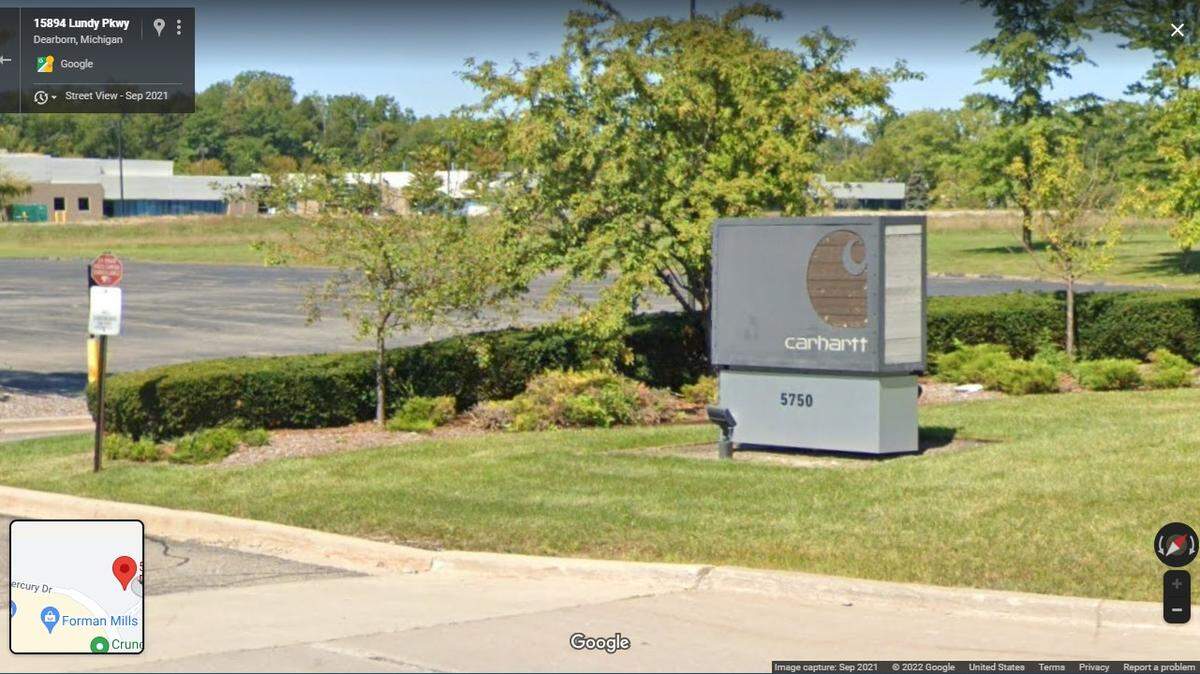
Carhartt was among them. Mark Valade, the Michigan-based apparel company’s CEO, sent a letter to employees affirming its decision after associates began questioning how the SCOTUS decision would affect the mandate.
“We put workplace safety at the very top of our priority list and the Supreme Court’s recent ruling doesn’t impact that core value,” Valade said in the letter. “We, and the medical community, continue to believe vaccines are necessary to ensure a safe working environment for every associate and even perhaps their families.”
The decision sparked outcry on Twitter with calls for a boycott from loyal brand followers who said Carhartt had betrayed its customer base of “rural patriotic folks” and “ranchers, farmers, laborers.”
But Carhartt has stood by its choice.
In a statement to McClatchy News on Thursday, Jan. 20, a company spokesperson said Carhartt’s letter to employees served to “reinforce that the Supreme Court ruling does not affect the mandate we put in place.”
“Carhartt fully understands and respects the varying opinions on this topic, and we are aware some of our associates do not support this policy,” the spokesperson said. “However, we stand behind our decision because we believe vaccines are necessary to protect our workforce.”
The company said most of its associates are either fully vaccinated against the coronavirus or are in the process of getting their shots. Several requests for religious or medical exemptions have also been granted, Carhartt said.
Some have questioned how the apparel company can institute a vaccine mandate after the Supreme Court decision. But federal law allows it.
Private employers and public entities are legally allowed to require workers get vaccinated against the coronavirus, the U.S. Department of Justice said in an opinion last year. The memo, sent to President Joe Biden, came after the Equal Employment Opportunity Commission released a similar set of guidelines that paved the way for companies to implement a vaccine mandate with some exceptions for religious or medical accommodations.
Biden announced his plan for a vaccine and testing mandate at companies with 100 or more employees in September, and the Occupational Safety and Health Administration issued the rule as an emergency temporary standard roughly two months later.
The rule was met with immediate pushback, catapulting to the Supreme Court this month. In a Jan. 13 opinion, Justices said OSHA — which is tasked with ensuring safe working conditions — had attempted to push through a sweeping public health measure with the vaccine-or-test rule rather than a workplace safety standard.
The ruling blocked OSHA from enforcing the mandate, putting it on indefinite hold while challenges continue to play out in a lower court. But it said nothing about a private employer’s ability to implement and enforce a vaccine mandate.
In response, Biden and senior officials with the U.S. Department of Labor called on companies to institute their own vaccination policies.
“The Court has ruled that my administration cannot use the authority granted to it by Congress to require this measure, but that does not stop me from using my voice as President to advocate for employers to do the right thing to protect Americans’ health and economy,” Biden said.
U.S. Secretary of Labor Marty Walsh said his agency will “urge all employers to require workers to get vaccinated or tested weekly to most effectively fight this deadly virus in the workplace.”
There are some limitations on whether an employer can implement such a vaccination mandate depending on where they are located and whether they have a collective bargaining agreement in place with unionized employees.
States such as Montana and Tennessee outright ban private employers from requiring their employees get vaccinated, and several others make employers offer “expanded exemption options” for those employees who don’t want to get a COVID-19 vaccine.
As COVID-19 compliance attorney Nathaniel Glasser at Epstein Becker Green told Business Insider, “Employers are in this position where they have to look very carefully at each of the states in which they operate.”
This story was originally published January 20, 2022 at 1:27 PM with the headline "Employer vaccine mandates still allowed after Supreme Court ruling. Just ask Carhartt."