When are you fully protected by your COVID booster shot? What to know
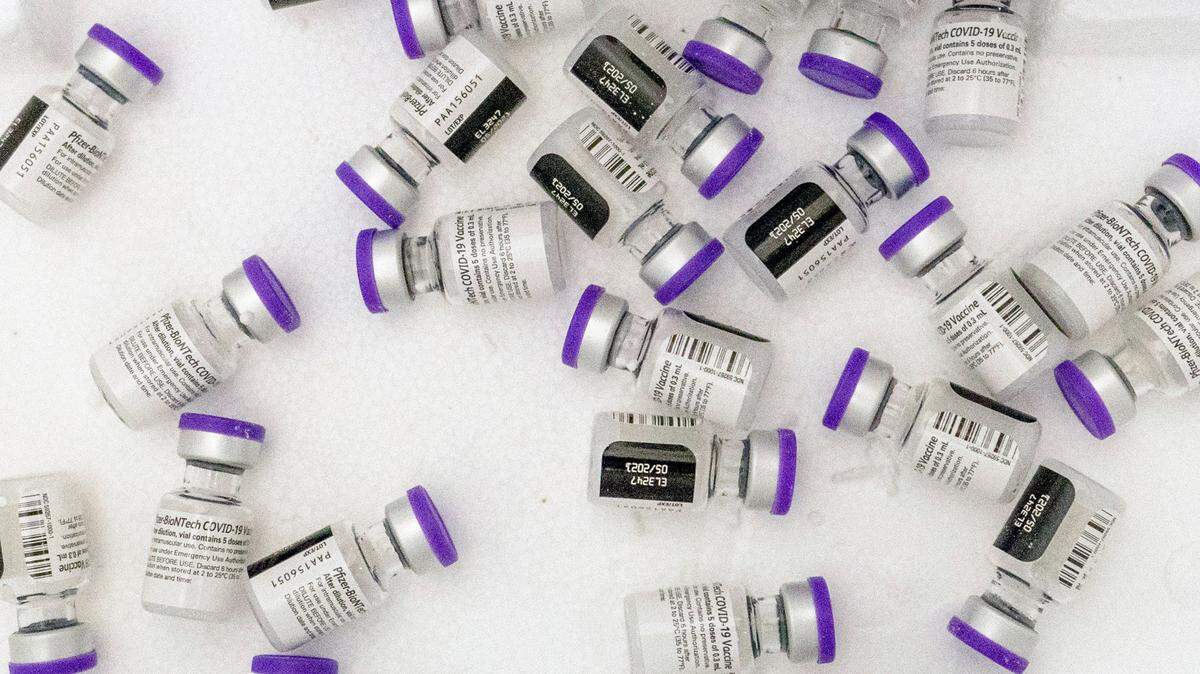
All adults in the U.S. are eligible for a COVID-19 booster shot of any of the three available coronavirus vaccines.
But when can you officially benefit from the protection the extra dose offers?
As is the case with your initial COVID-19 shots, it will take two weeks after receiving your booster for your body to produce as much coronavirus antibodies as the extra jab allows, a Centers for Disease Control and Prevention spokesperson told McClatchy News.
But you don’t need a booster shot to be considered fully vaccinated against COVID-19, the CDC says.
You are considered fully vaccinated two weeks after your second dose of the two-dose Pfizer and Moderna vaccines and two weeks after your single dose of the Johnson & Johnson shot, which is still a one-dose deal.
There’s no such term as “fully boostered,” the CDC spokesperson said — at least not yet.
Any adult can receive a booster shot at least six months after they received their second dose of the Pfizer or Moderna vaccines or at least two months after they received their single dose of the J&J shot.
More than 41.1 million people in the U.S. have received a COVID-19 booster as of Nov. 30, a CDC tracker shows.
While you do not need a booster dose to be considered fully vaccinated against COVID-19 as of Nov. 30, federal health officials have hinted they may change the definition of “fully vaccinated” to include boosters at some point in the future, which is now clouded in uncertainty following the emergence of the omicron variant.
The variant was first reported by researchers in South Africa on Nov. 24 after several doctors noticed symptoms among their patients that differed slightly compared to those caused by the delta variant, the dominant version of the coronavirus spreading globally. Genetic sequencing revealed the variant sports a large number of mutations unseen in other variants.
As of Nov. 30, omicron has not been detected in the U.S., but experts say it’s only a matter of time until cases emerge.
The World Health Organization has declared it a “variant of concern” — the fifth of its kind since the pandemic began.
This story was originally published November 30, 2021 at 4:15 PM with the headline "When are you fully protected by your COVID booster shot? What to know."