
Congress approves $600 checks, unemployment. But no aid for state budgets
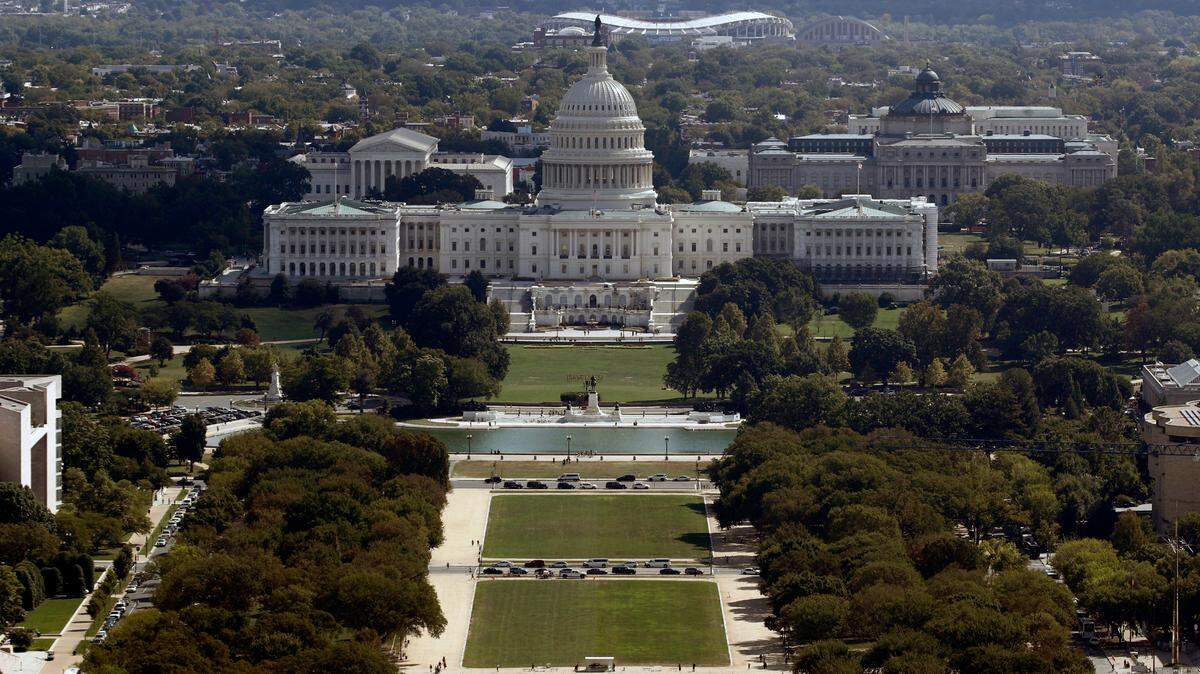
The $900 billion COVID-19 relief bill approved by Congress provides $600 checks to many Americans, enhances unemployment benefits and curbs surprise medical bills.
But the massive package doesn’t include direct financial aid for state and local governments whose budget outlooks are uncertain after the pandemic caused tax revenues to plummet earlier this year.
Kansas Gov. Laura Kelly, a Democrat, had made financial assistance for states a priority and for months called publicly on Congress to act. Revenues in Kansas are expected to fall by $322 million next budget year, causing budgets to tighten.
Lawmakers divided over direct aid, with Republicans casting assistance as boosting states controlled by Democrats. But Democrats warned no aid could lead to dire financial consequences to state and local services.
“As is the case with any compromise, this package did not include every measure I’d hoped for and championed,” said Rep. Sharice Davids, Kansas’s sole Democratic member of Congress. “Most notably it lacked funding for state and local governments to avoid devastating cuts to our public schools, roads, fire and police departments, public health agencies and other services that we depend on.”
Still, the COVID-19 relief bill represents a rare bipartisan achievement of sweeping scope. All six of Kansas’ congressional delegation — five Republicans and one Democrat — voted for the measure. The package is almost certainly one of the last major votes taken by the current Congress before new members take office in January.
The bill now heads to President Donald Trump’s desk for his signature.
The deal includes $600 payments to Americans earning up to $75,000 a year, with the amount gradually reduced for people earning more than that. It represents the second round of direct payments, after Congress approved $1,200 checks earlier this year.
The bill offers unemployed individuals $300 a week in benefits through mid-March and extends assistance for self-employed workers until early April. A federal eviction moratorium is also extended until Jan. 31, 2021. And it provides $280 billion for the Paycheck Protection Program to provide financial assistance to businesses.
The package also bans surprise medical bills — a prohibition lawmakers and advocacy groups had been seeking for years. The bills happen when patients seek care from facilities in their insurance network, but end up receiving treatment from out-of-network doctors — sometimes shocking patients when bills later arrive.
The ban comes after Davids introduced a ban on surprise medical bills in November 2019.
“Especially in the middle of this devastating pandemic, the last thing Kansas families need is a medical bill they never saw coming,” Davids said.
This story was originally published December 22, 2020 at 2:27 PM.