Binge drinking jumped by nearly 20% every week of COVID lockdowns, survey finds
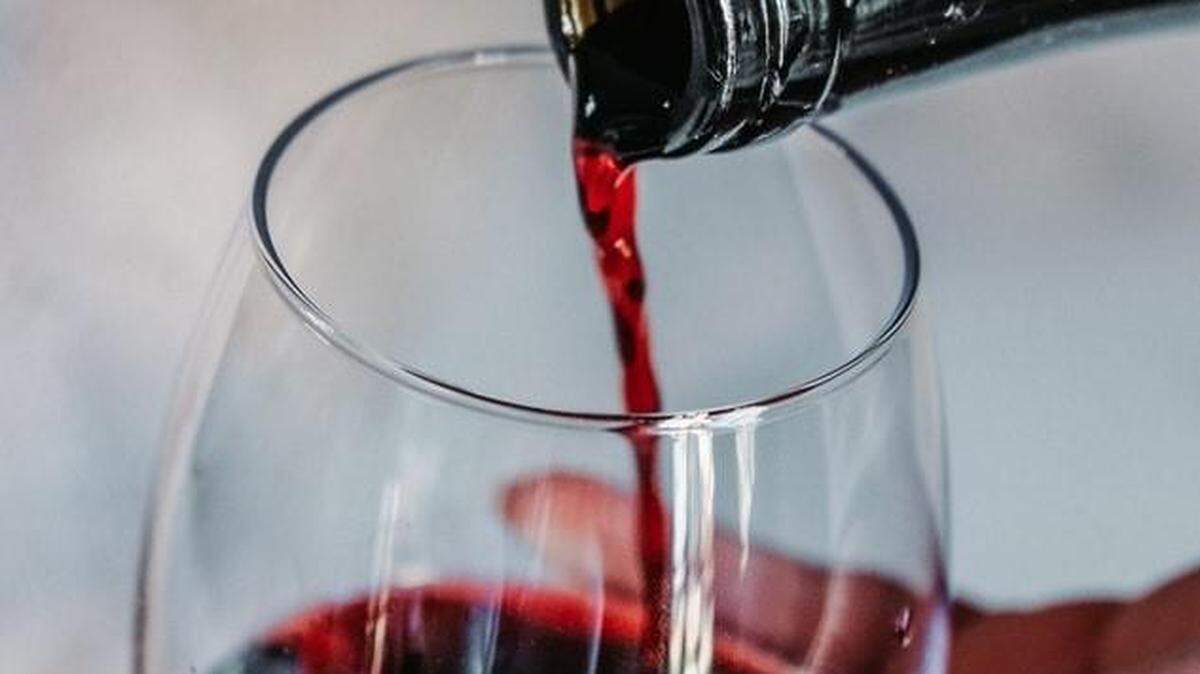
A new survey found that the longer adults spent time lodged in their homes during coronavirus lockdowns in March, the more they consumed alcohol — with about a third of respondents admitting to binge drinking.
Among the binge drinkers, the odds of consuming heavy amounts of alcohol jumped an extra 19% for every week of lockdown, according to the survey carried out by experts at the University of Texas Health Science Center School of Public Health in Dallas.
Binge drinkers are those who consume five or more drinks within two hours for men and four or more drinks for women within the same period.
Although nearly 2,000 Americans over 18 years old completed the online questionnaire, the researchers said the results are not representative of the U.S.
However, the team said their findings emphasize the need for new intervention and prevention strategies to prevent “long-lasting health consequences” for those at risk of binge drinking while in isolation — despite the small number of people participating in this survey.
A study on the questionnaire was published Monday in the American Journal of Drug and Alcohol Abuse.
“Increased time spent at home is a life stressor that impacts drinking and the COVID-19 pandemic may have exacerbated this stress,” study author Sitara Weerakoon, an epidemiology PhD candidate at the University of Texas, said in a news release. “Additional research is needed to develop best treatment for people with substance use disorders who may be more susceptible to adverse health outcomes.”
Studies have shown that binge drinking can lead to “long-term alcohol use disorders and alcohol dependence,” the researchers note in their study. These consequences can increase one’s chances of developing liver disease, cancer and cardiovascular disease.
While more research is needed to understand how to prevent binge drinking, especially as the potential for future stay-at-home mandates grows, the team said virtual interventions such as apps that send text reminders are “ideal for implementation in a pandemic setting.”
What’s more, people with substance abuse disorders are more likely to experience severe COVID-19 compared to those without them, a National Institutes of Health-funded study revealed in September.
The new data came from an online survey of 1,982 U.S. adults conducted between mid-March and mid-April, when initial state stay-at-home orders rolled out. The team looked at the length of time spent in lockdown, how many adults or children respondents lived with, relationship with depression and job status.
On average, every respondent was in lockdown for four weeks, spending 21 hours at home each day, with the majority (72%) working from home. Survey participants’ average age was 42, with the majority being white and female.
The odds of picking up a bottle of booze among binge drinkers were more than double that of regular alcohol consumers — 60% and 28%, respectively, according to the survey.
Binge drinkers also reported downing four drinks per drinking session, sometimes drinking a maximum of seven drinks. Meanwhile, regular alcohol drinkers consumed an average of two drinks per session, often capping out after that second beverage.
The researchers also found that living with children reduced the odds of drinking by 26% for people, in general, the release said.
At the same time, over 70% of survey participants said they earned more than $80,000 a year, which suggests more disposable income to spend on alcohol, the researchers said. It’s a connection other studies have shown in the past.
Because the survey was conducted in March, the team notes drinking habits could look different now. People could either have “adapted to the ‘new normal’ and maintained pre-pandemic alcohol consumption behaviors,” while others “may feel increasingly strained” as social distancing continues.
This, they say, could “lead to an increased dependence on alcohol.”
This story was originally published December 7, 2020 at 1:19 PM with the headline "Binge drinking jumped by nearly 20% every week of COVID lockdowns, survey finds."