
Developer plans shipping container housing in SoCe regardless of city vote
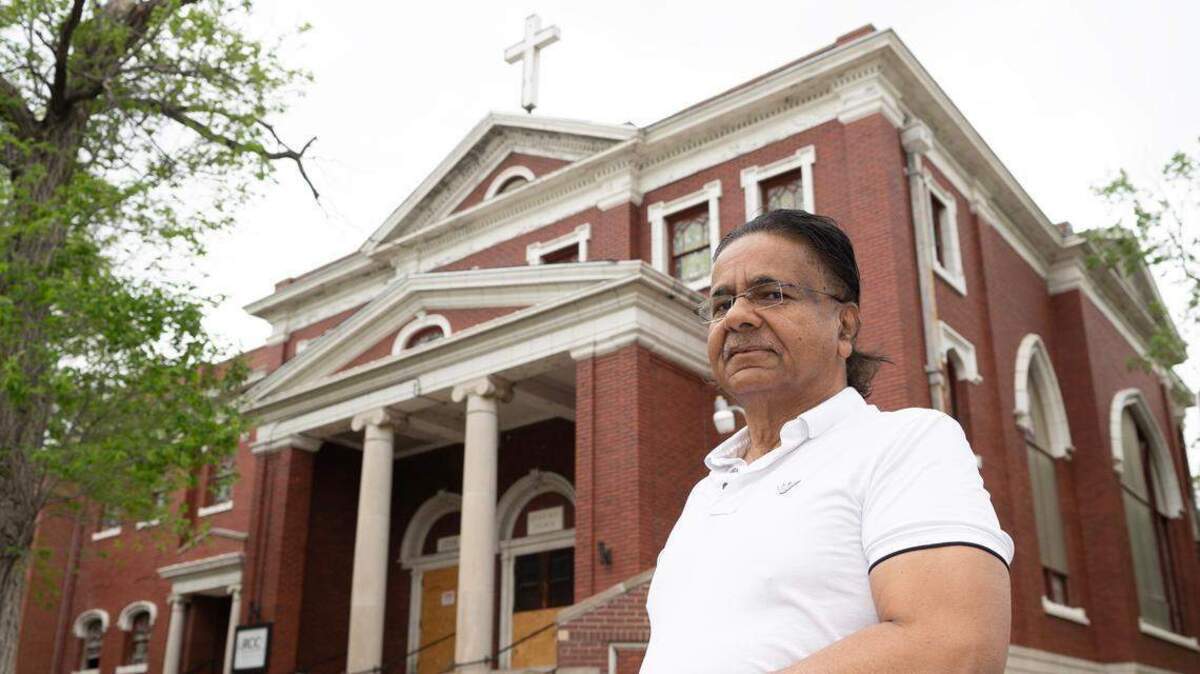
UPDATED — In spring 2024, a lot of residents in the SoCe neighborhood just south of downtown were thrilled to hear of lawyer Abdul Arif’s plans for an abandoned church and school there.
Arif announced he’d be turning the spaces into apartments for future students at the nearby Wichita Biomedical Campus.
“We were just excited it was going to be used,” said Kristopher Swanson, who lives and works in the neighborhood.
“It’s just a building that’s been blighted for a long time.”
Since then, plans have changed — again and again — and with the changes has come opposition from neighbors.
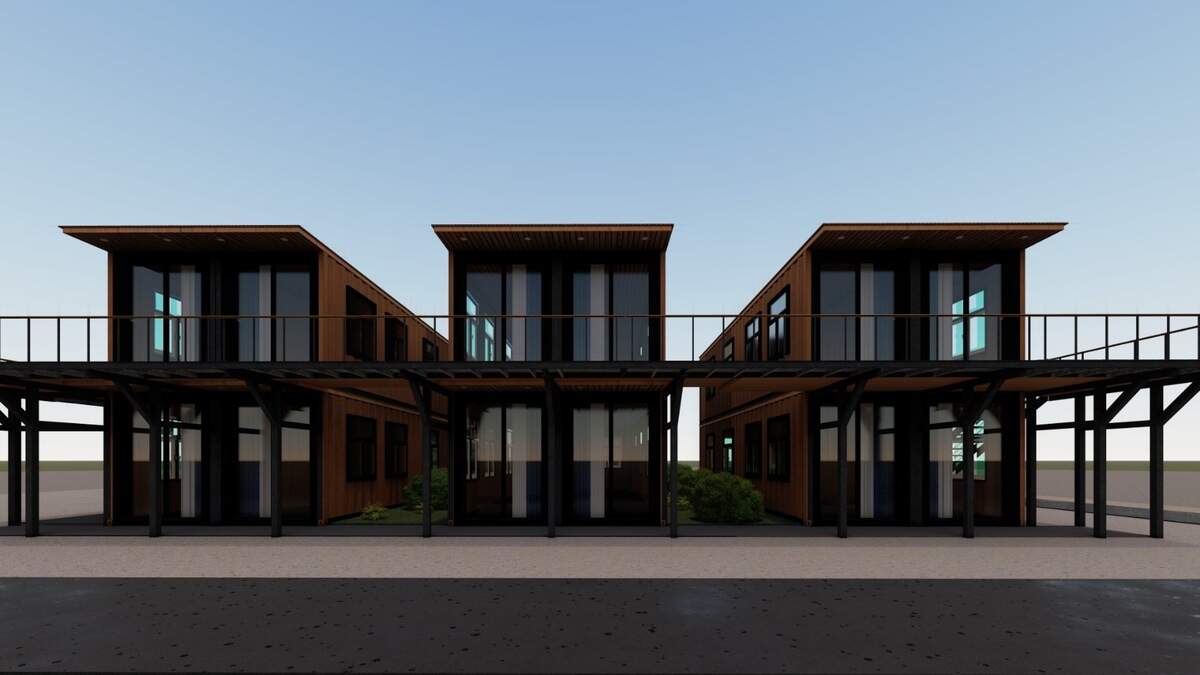
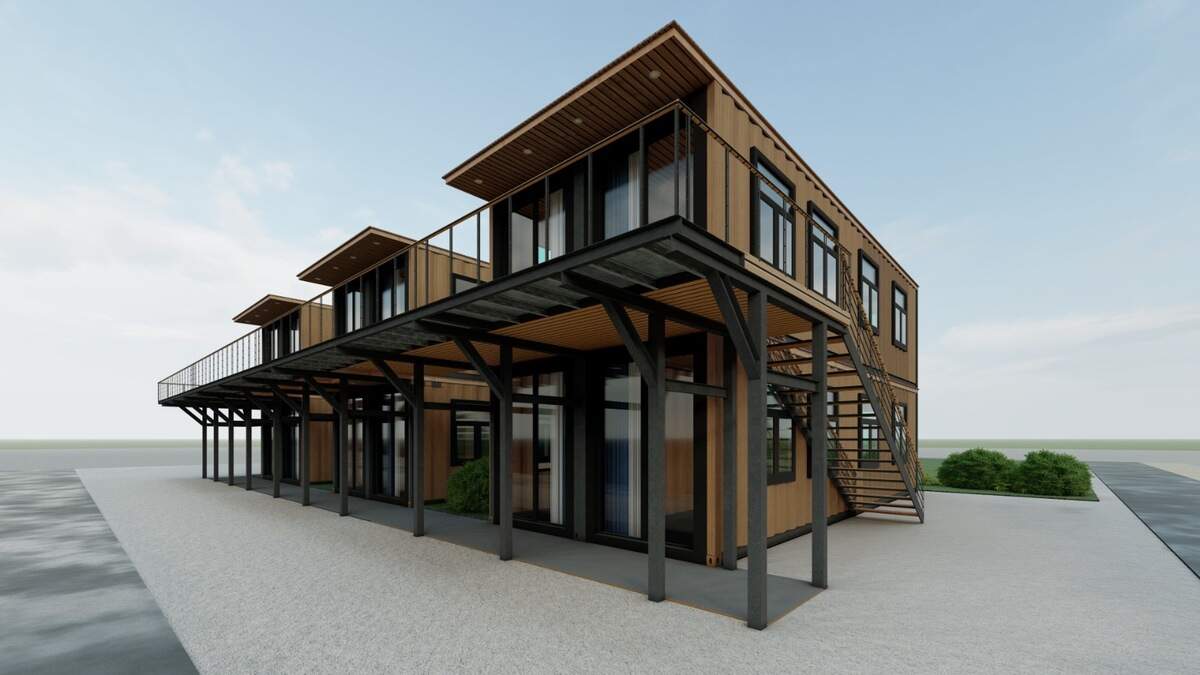
Arif now wants to place shipping containers on the property and use the majority of them as residences for young adults aging out of foster care.
“I don’t understand why people would object to (having) some modern housing in there,” he said.
Arif said the area already is overrun with crack houses and other issues.
Also, he said, “It’s not like we’re taking anything away from the historic character of the church.”
Neighbors disagree and list numerous concerns, including modern structures detracting from a historic area, parking issues and the safety of the young adults in a crime-riddled area.
With constant changes to the plan, there also have been a lot of what ifs instead of concrete information, neighbors said.
Resident Karen Kasten, who lives in a 1911 house and has been in the area for more than three decades, said Arif’s representative at city meetings is “very vague with the plan. It keeps changing, and that’s a concern, too.”
Swanson said, “They haven’t built much trust with the neighbors because of that.”
He works for the Neighboring Movement, a nonprofit working to improve the area. He said the group had wanted to buy and renovate the one-time Grace Methodist Episcopal Church for a community center.
In 2006, the building was listed on the National Register of Historic Places. The former church, which was built in 1910, and its former school, which was built in 1958, are about 40,000 square feet combined.
Swanson said the Neighboring Movement found the project too big because of asbestos in the building.
He said some of the changes Arif made along the way were unthinkable, such as not having bathrooms in the shipping containers. Swanson said at one point the plan was for residents to use facilities in the former church.
“It was brought up as a matter of conversation, not as a matter of firm commitment,” Arif said. “This is just one of those loose conversations.”
He said he would not put forth an official plan where residents would live in one space and have their bathrooms in another.
“They’ve since corrected some of that,” Swanson said. However, he said, “There were things like that that kept popping up.”
Bigger issues
City Council member Mike Hoheisel, whose district includes the former church property a few blocks south of Kellogg at 944 S. Topeka, said there is a unique set of circumstances related to the project along with a couple potentially bigger zoning issues that could develop.
At this week’s Council meeting, he moved to delay a vote on Arif’s development until next week.
“I just want to make sure all information is out there for people to know and understand.”
Here’s the biggest takeaway, though:
Arif doesn’t need City Council approval to do the shipping containers. Instead, he’s seeking rezoning to a planned unit development, which would allow him to bypass some parking requirements.
The reason he doesn’t need approval for the containers is that about 25 years ago, as residents worked with the city on zoning protections in the neighborhood that has a lot of century-old homes, a small area near the church was changed to general commercial zoning in order to keep a couple of businesses that were there.
The businesses are now gone, but that zoning change lingers and has created the opposite effect — allowing shipping containers — than what the neighbors had fought to protect.
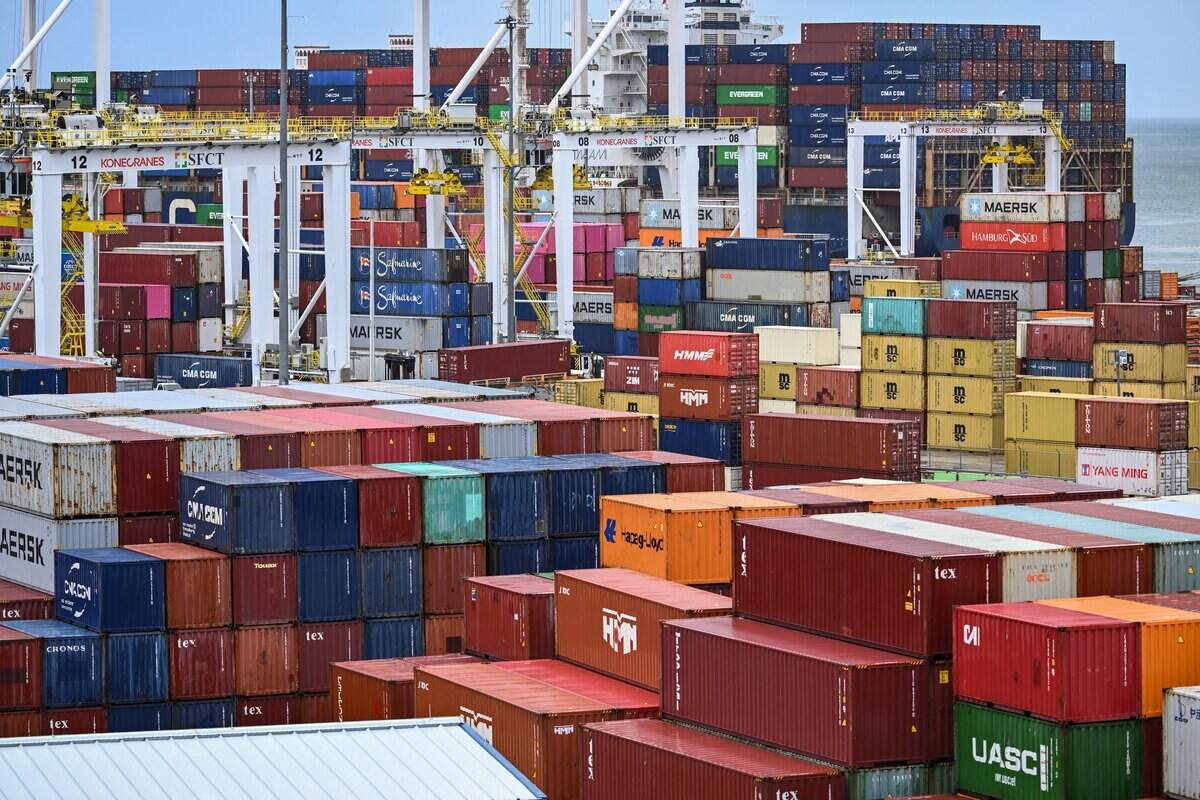
Hoheisel said now that shipping containers are becoming more popular for all kinds of uses, it might be appropriate for the city to consider special zoning regulations specifically for the containers.
Also, he said, he’s heard of an effort on the state level to do zoning by right, meaning if you have a plot of land zoned residential — whether it’s single family, multifamily or anything else — you should have the right to put whatever kind of housing you want on the property. That would include shipping containers, tiny houses or any other forms of homes developers might have.
“I’ve been hearing a lot of chatter on that one.”
A new idea
After visiting a New Mexico college campus where he saw some student housing in shipping containers, Arif shifted his plans to include containers at his development.
“They’re very attractive and very modern,” he said. “These are relatively easy to put up.”
Arif realized he didn’t have enough parking according to city regulations. He planned 57 apartment units — 35 units in the former school building and 22 shipping containers on the property — but had only 36 parking spots.
Hoheisel said the city’s standard is 1.25 parking spots per unit, so Arif would need about 66 spots. Rezoning to a planned unit development would allow for fewer.
Kasten, the resident, said that won’t work in an area that already has a lot of street parking.
“That will be a real burden on the neighbors there because so many of these older homes do not have driveways,” she said. “They’d have to share even more, and I just don’t think that’s right.”
Though a PUD could alleviate some parking requirements for Arif and his team, Hoheisel said, “The PUD language is actually restricting them a bit because it has aesthetic requirements.”
That includes using shiplap or cladding on the exteriors of the containers to be more in keeping with the neighborhood and adding screening to hide lower levels of the containers.
Arif and his group have been working with the city on changes. He said he has a religious group that has signed a lease for the former church.
Hoheisel said he can’t discuss his opinion on the development yet.
“I can’t say that before we go to the bench.”
‘A constant battle’
Neighbors said the property has deteriorated since Arif purchased it.
“It’s a constant battle,” Arif said. “The homeless figured out all kinds of creative ways to get in.”
Still, he said not only is the property not more dilapidated than it was, he said he’s “done more to restore that corner than anybody else has.”
“I’m really disappointed that the neighbors think that way.”
Arif said he also has a proven track record of restoring older properties, such as the renovation of the Primeline building at First and Topeka for the Mayflower Clinic and some apartments.
Swanson said he’s not opposed to the design of the containers — he considers Arif’s plans creative — though he understands concerns of his neighbors who “live in beautiful, historic old homes.”
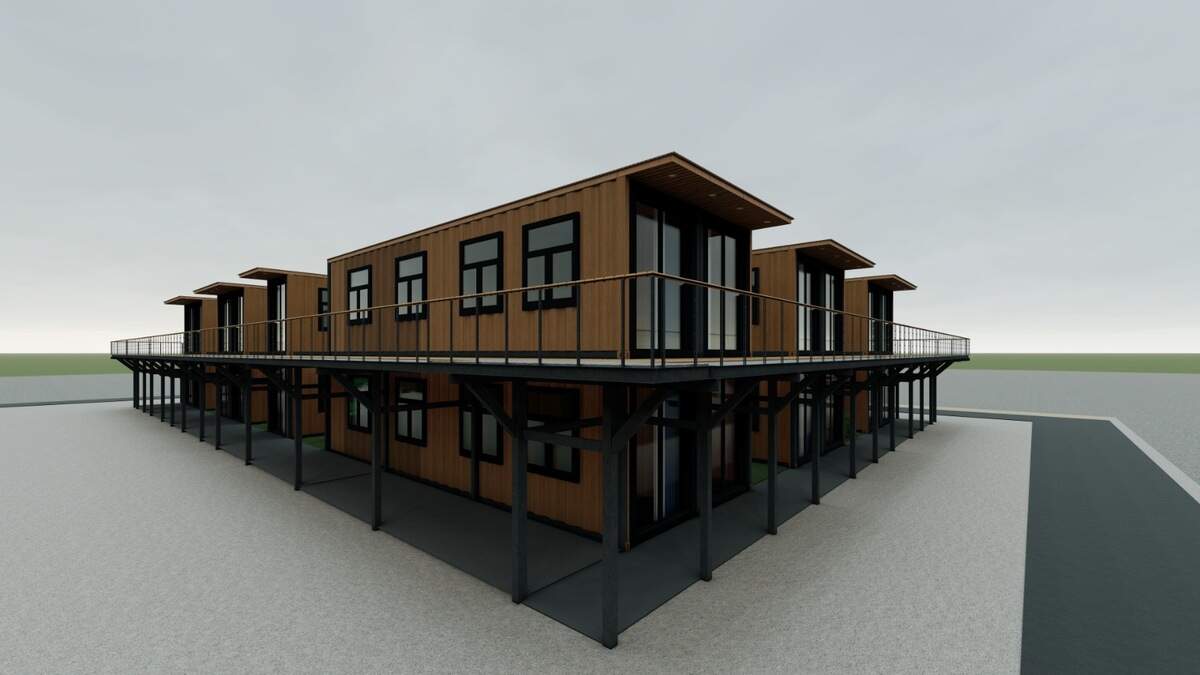
For him, the biggest issue is trust in the development and concern for the former foster children.
“I just think there are myriad problems that accompany that that they have not thought through.”
Kasten agreed and said she doesn’t believe “South Broadway is the place for kids coming out of foster care. I mean, at all. That’s just a no-brainer in my estimation.”
Regardless of what happens at City Council on Tuesday, Arif said he plans to do the development, including the containers.
“We have a fairly good commitment on financing.”
If all goes well, Arif hopes to break ground in late February or early March and expects to be done within 90 to 120 days.
This story was originally published December 6, 2025 at 6:04 AM.