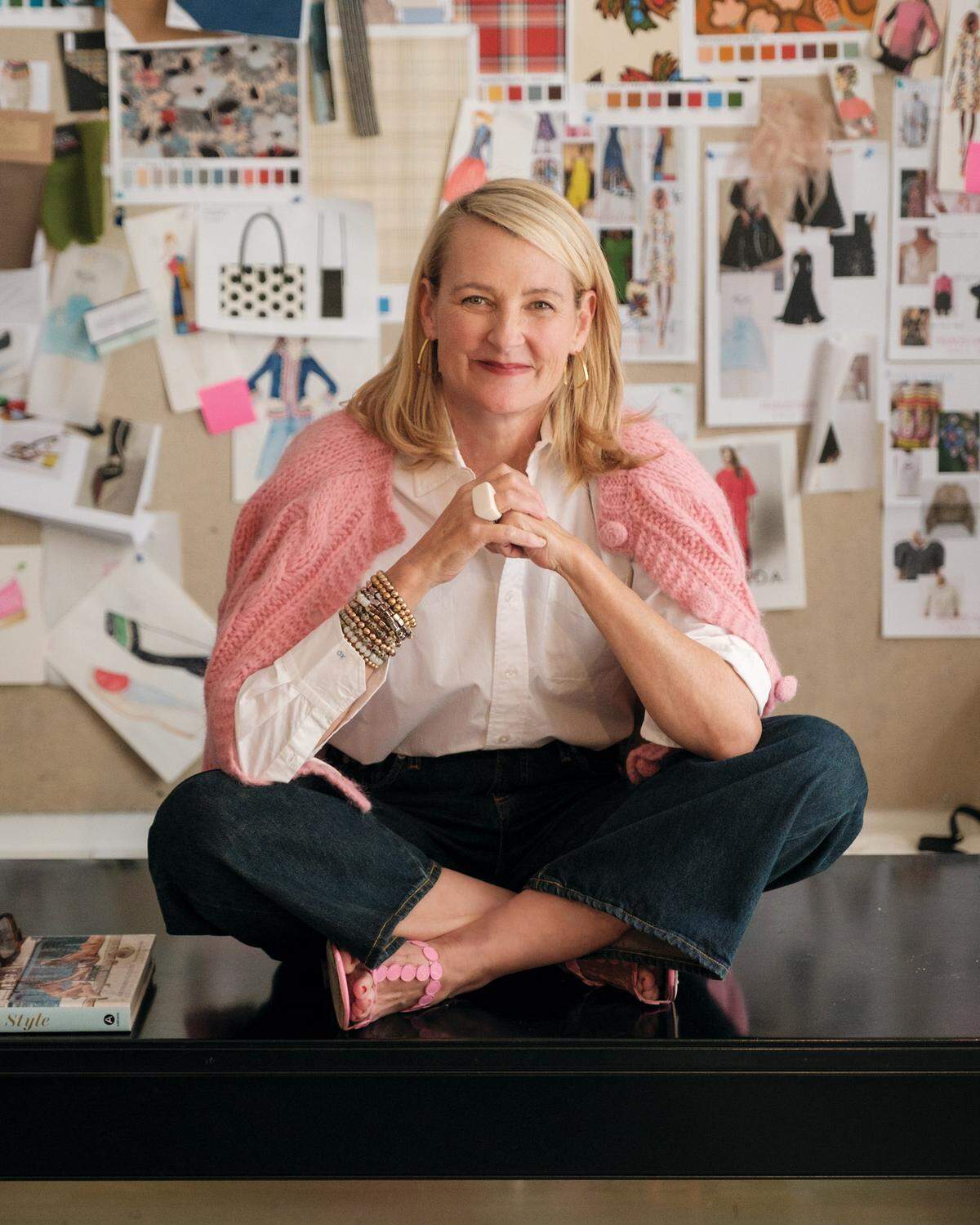
Wichita-area native’s new book is on her bestie and former partner, Kate Spade
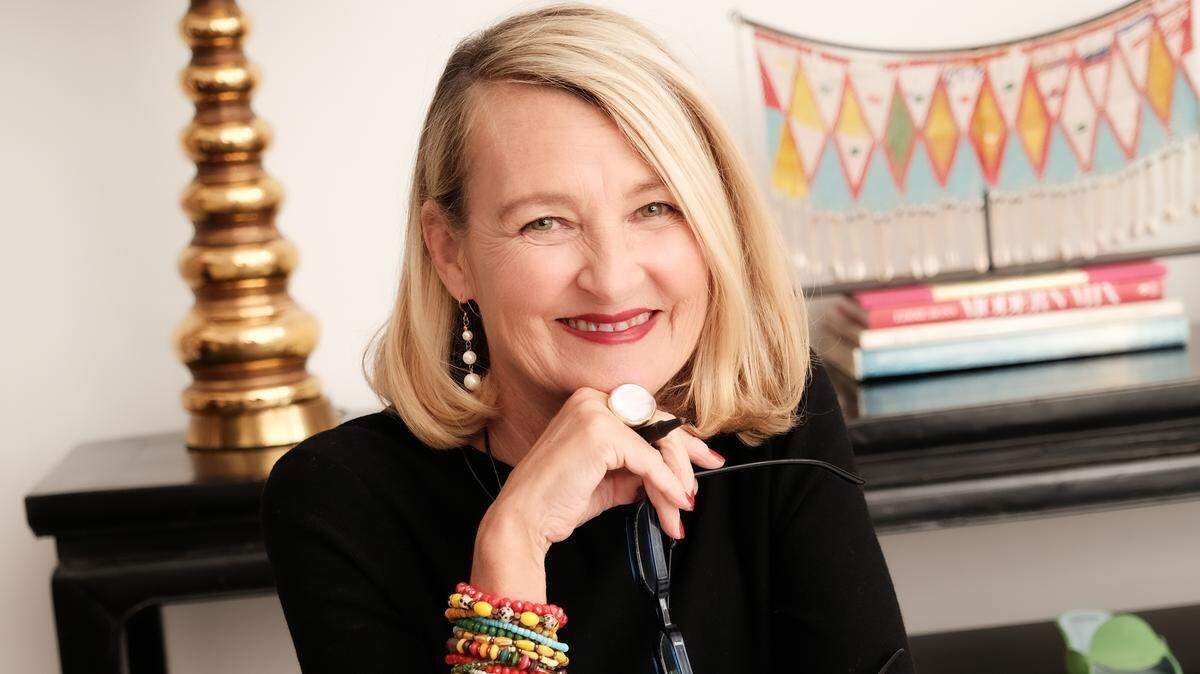
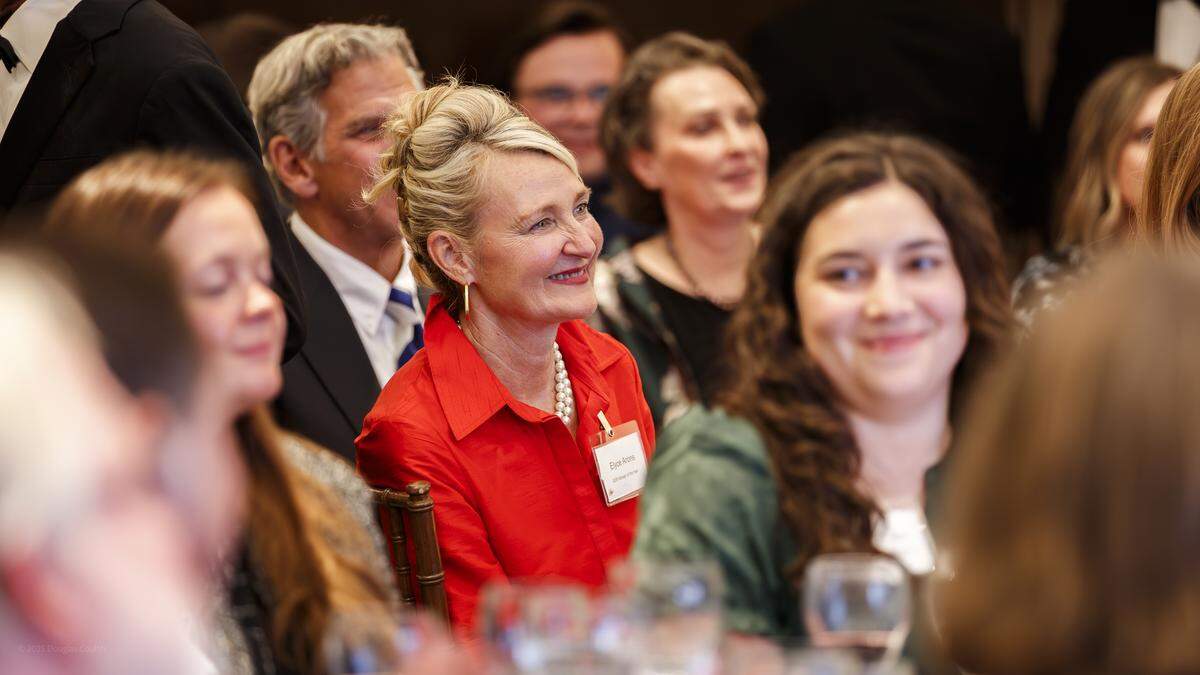
Even if you didn’t know Elyce Arons, formerly Cox, from when she was growing up near Wichita, you may have heard of her since.
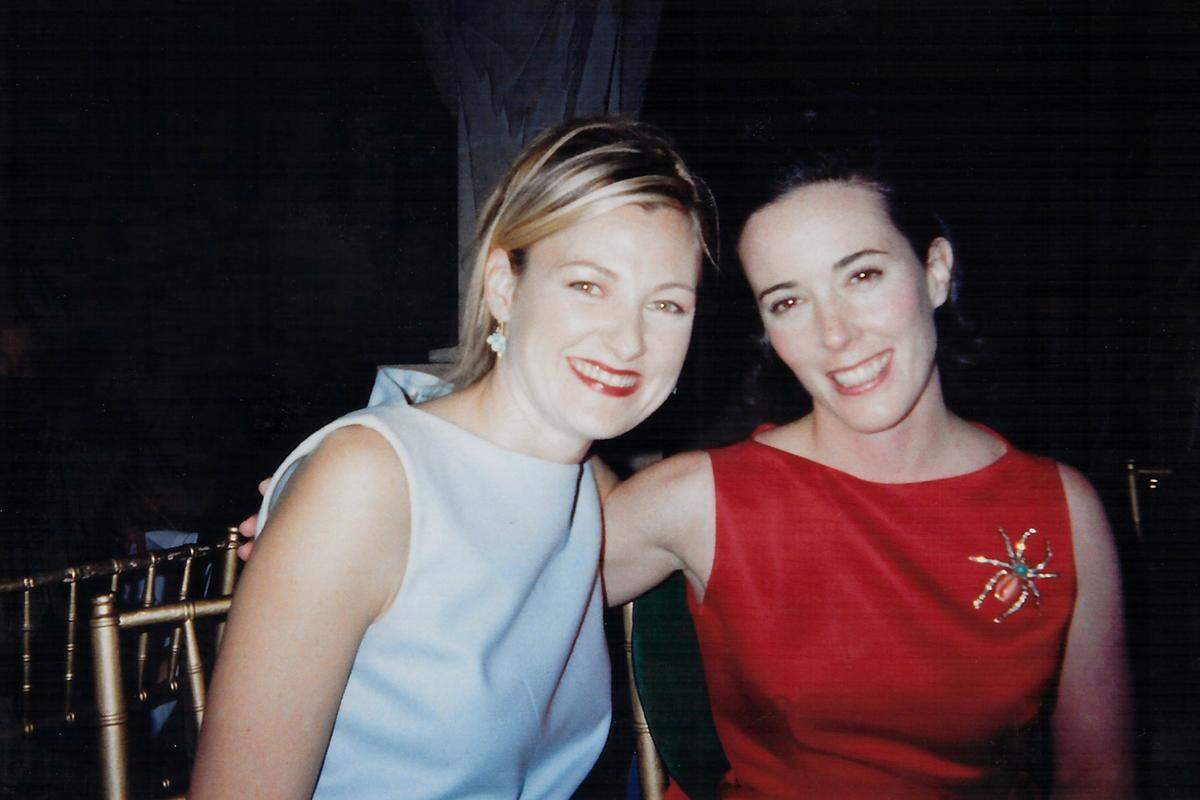
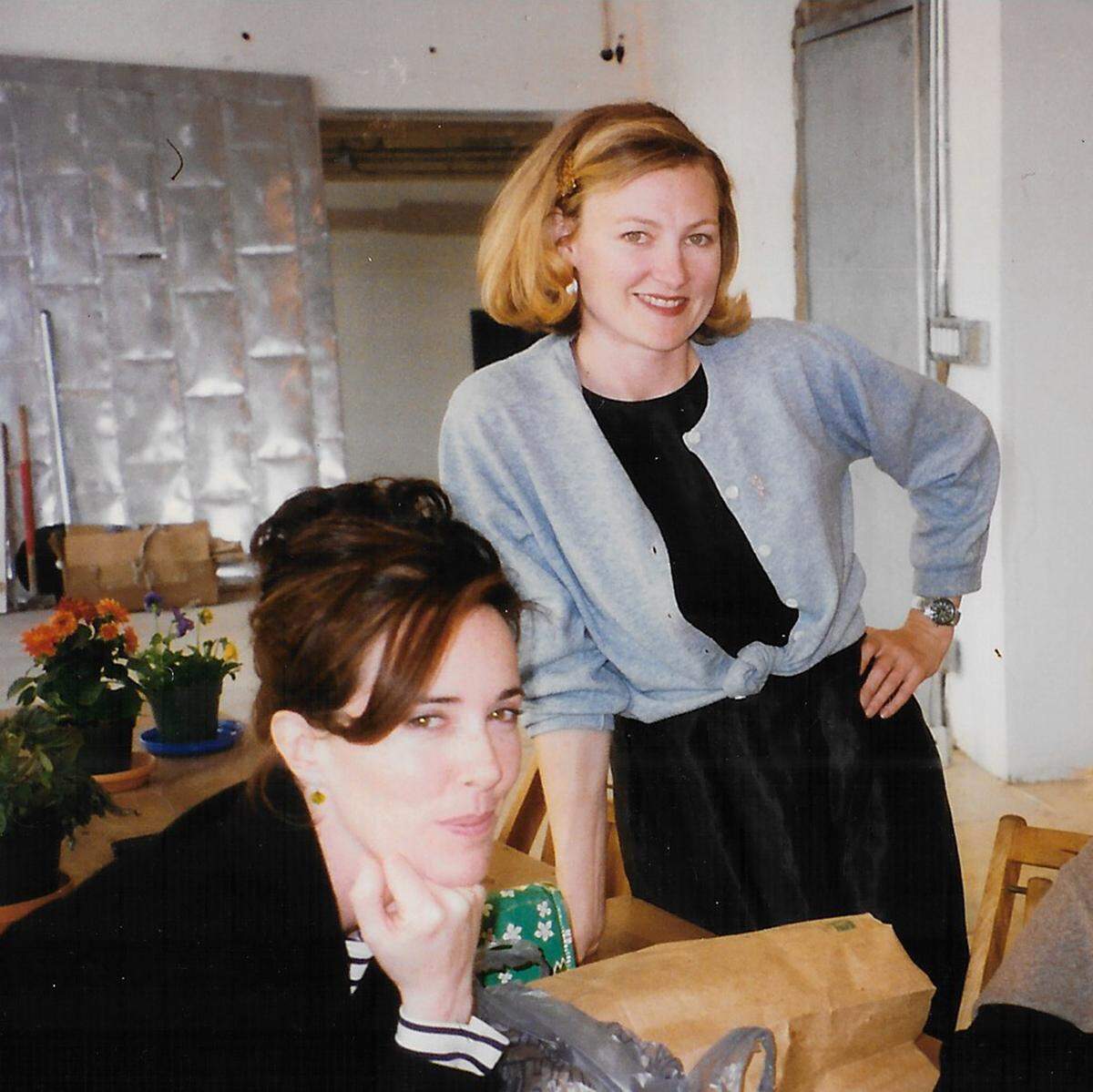
First, she co-founded Kate Spade with her former college roommate, the late Katy Spade, as Arons calls her.
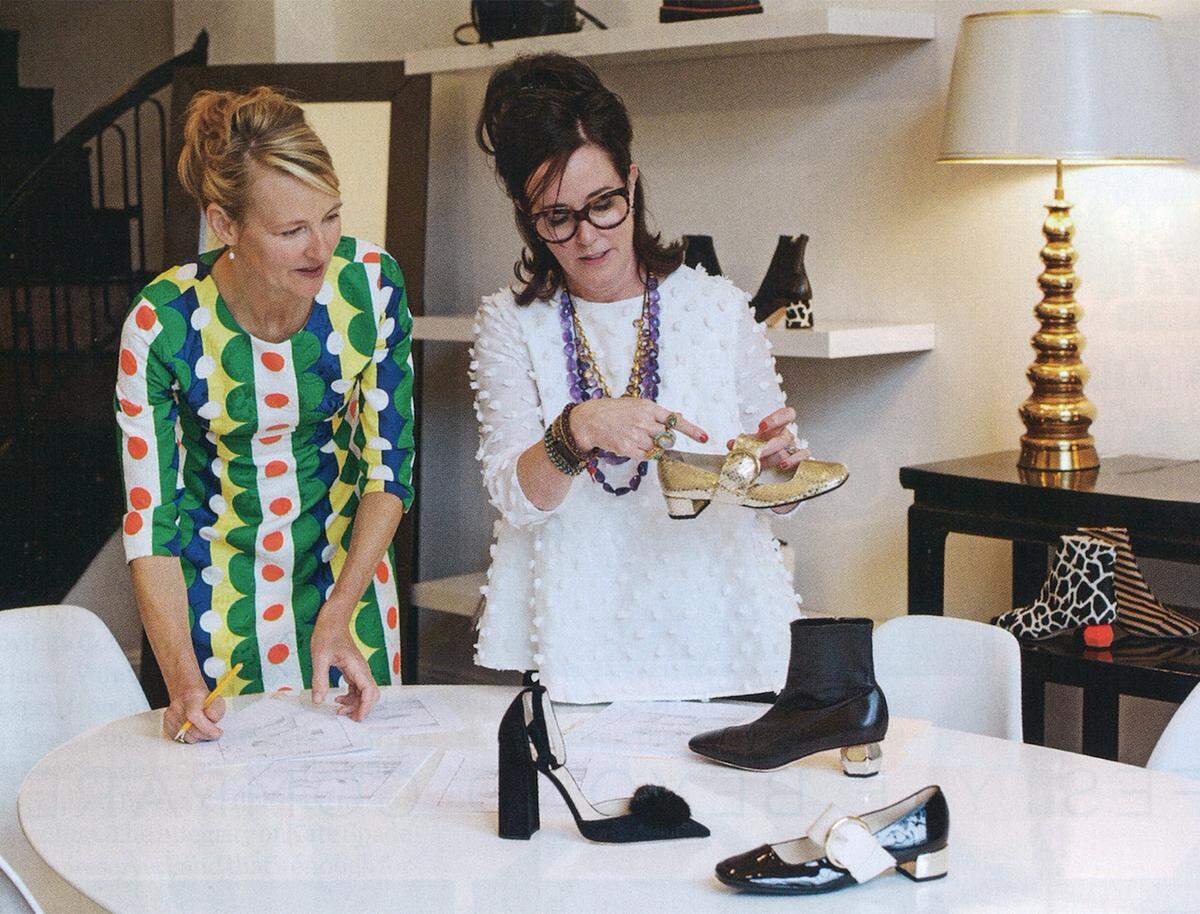
Then, the two founded the Frances Valentine line of accessories and, eventually, clothing.
There also is a well-known TikTok home tour Arons gave real estate influencer Caleb Simpson.
Arons also has her own Outfit of the Day videos she posts online.
And she has a new book, “We Just Might Make It After All: My Best Friendship With Kate Spade.”
Finally, at least for now, she was named Kansan of the Year this year by the nonprofit Kansas Society of Washington, D.C.
It seemed like a good time to catch up with Arons about all of that and more through a Q&A.
So I am going to be completely honest with you: I have not had an opportunity to read your book yet, though I am very much looking forward to it.
Please don’t feel bad about not getting to the book yet. I’ve got a stack of five by my bed.
Yes, I do, too, perpetually.
It always makes me feel guilty.
Could you tell me a little bit about your background — where you are from and just a little bit about growing up?
Yes, so I grew up . . . about three miles outside of Sedgwick, Kansas, on a farm. I’m the youngest of four daughters of Lou and Dana Cox, and you might remember years ago if you were in Wichita at this time, my mother and father owned the Inn at Sedgwick, which was a really special restaurant that my mother had created. I mean years ago. I think she sold it in 1998, but it was a very special place to go out to dinner, and I used to get people on airplanes saying to me, “Wait, you’re from Kansas? You need to go to this restaurant. It’s incredible.” My mom . . . she’s also an illustrator, and she created illustrations for the newspaper for Lyndons and several other of the fashion businesses in Wichita when I was growing up.
Wow.
She’s always been a really great cook, but at one point, she decided that she was going to turn our farmhouse into a restaurant, so she went to CIA in New York and learned a lot of different things. . . . She really wanted to hone her skills and interned at Le Bernardin here and then came back to Kansas and actually turned our farmhouse into a restaurant.
And did you work there?
I did not. I was living in New York at the time. . . . (The Inn) was a really special place. A lot of people got engaged there. . . . We have another house on the property, and they added a bed-and-breakfast component to it at one point.
So what was you path after graduating from Newton High School and leaving home?
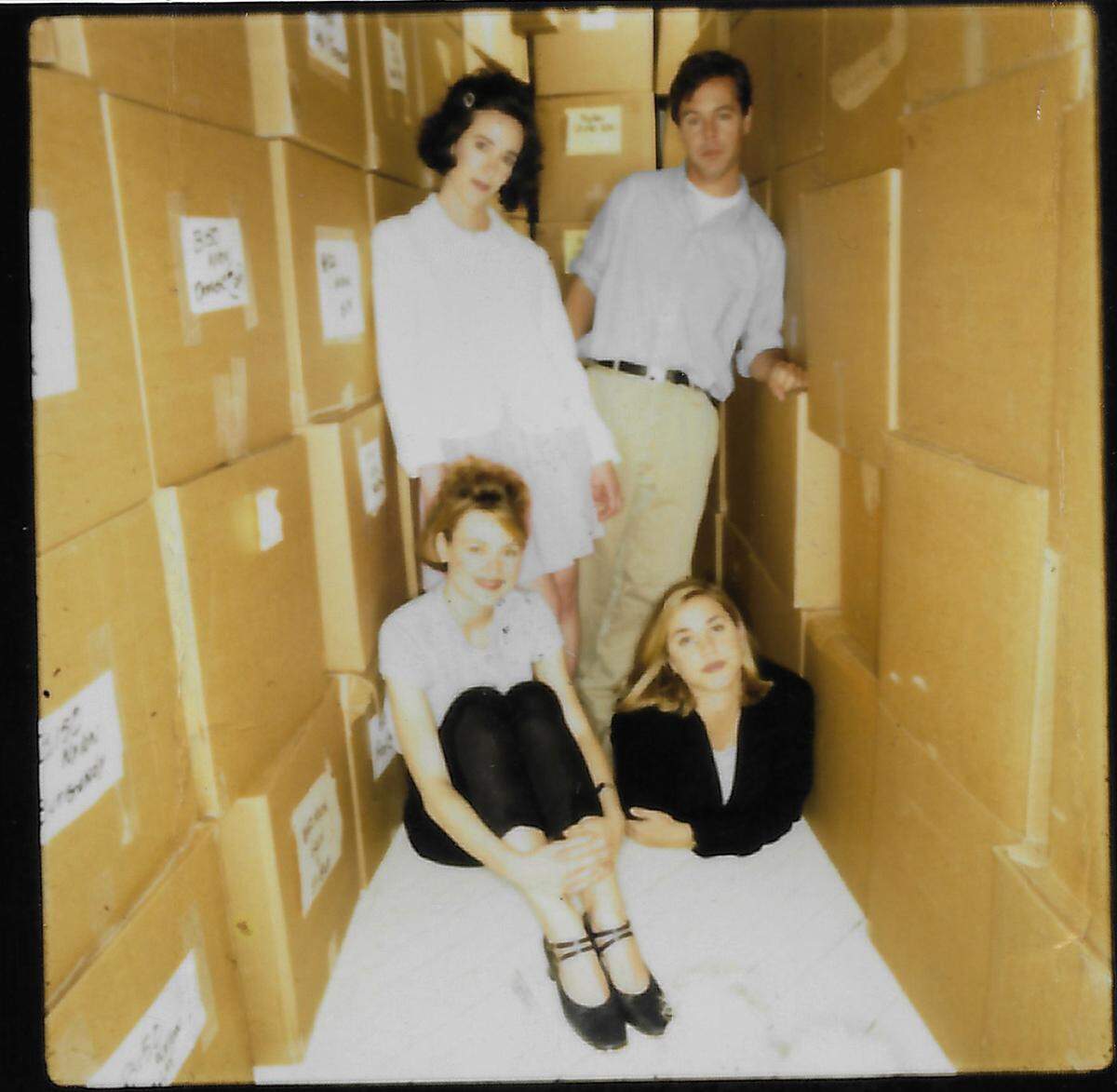
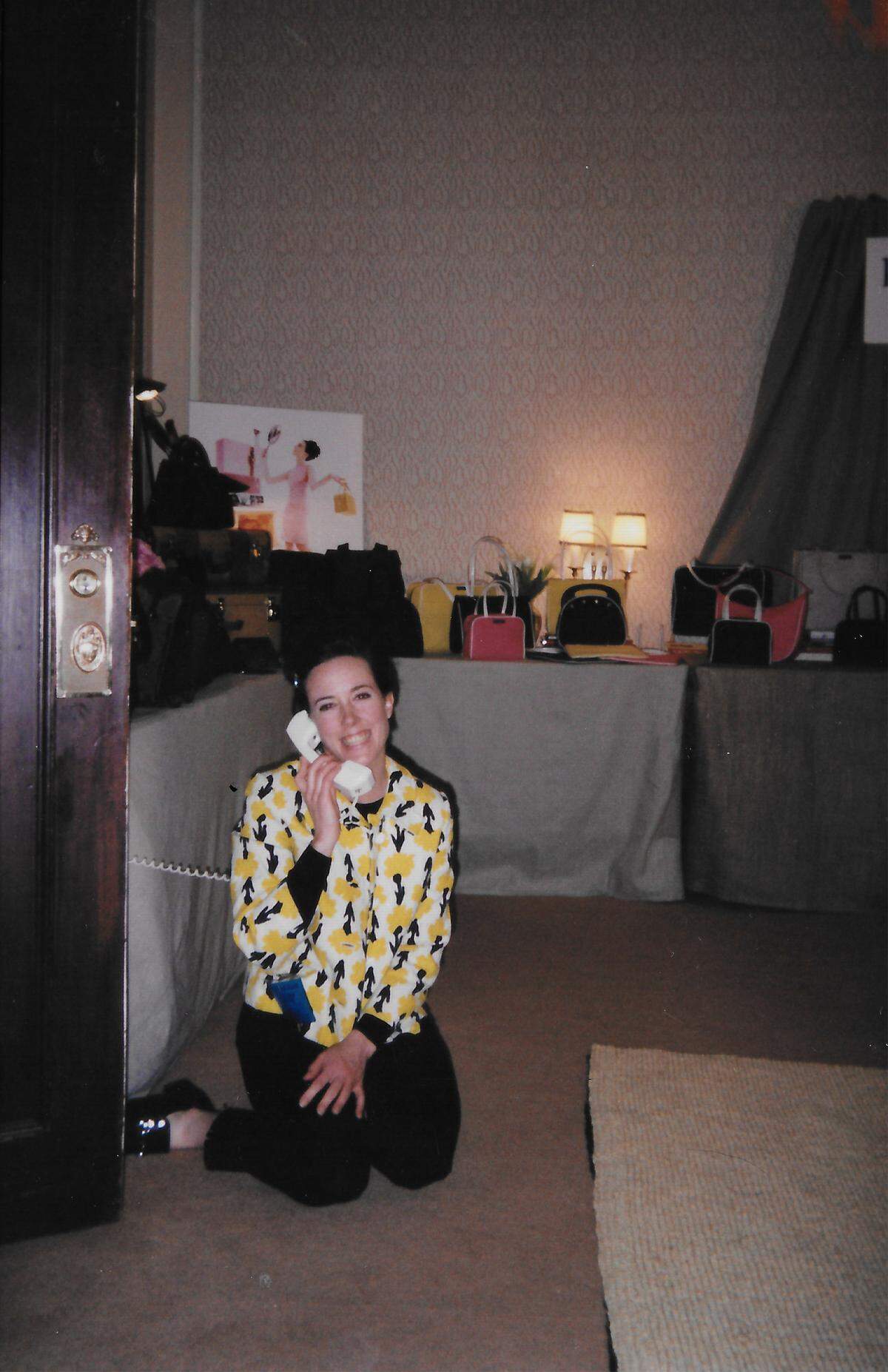
I went to University of Kansas, and on my first day of college at the University of Kansas at GSP dorm, I met Katy Brosnahan, who the world would come to know as Kate Spade much later, and we became fast friends. We were very different people. . . . She from cosmopolitan Kansas City and me from the farmlands of Kansas. We became best friends because of our love for vintage shopping, which I did in Wichita all the time, our love for Mary Tyler Moore, who inspired both of us to become journalism majors, and really to become confident businesswomen, and because we both shared a love of practical jokes, and she was a huge prankster, so we had a really good time together.
I would like to interrupt briefly to go back in time just a little bit. Tell me about while you were growing up when you realized you had more than a passing interest in design. Or did you even realize it at the time?
I don’t think I did. I loved to . . . dress differently, and vintage shopping allowed me to do that in a really inexpensive way. But the jewels you would find at the vintage shops with hand beading and things and really special details of personal items that someone had, you know, lived their life in . . . I just loved all of those pieces. And It taught me how to layer things and to really appreciate the materials and the cuts of things and all of the details that went into those pieces, and I dressed more differently than anybody in my school probably. It wasn’t really a thing to go vintage shopping back then, but I just loved it. . . . My mother also did costumes for community theater in Newton, so we had a huge costume wardrobe in our house, and as kids we always dressed up. . . . We had tons of different things . . . we could put on and that probably really inspired me to drive into Wichita and go vintage shopping all the time. My sisters loved it, too.
Do you remember some of the stores you went to in Wichita for vintage shopping?
Yeah, the main one was Salvation Army on Douglas and then, yeah, there were others. . . . What’s the other one?
The DAV?
Maybe, yeah.
They were pretty big here, but they’re not here anymore.
There weren’t vintage shops back then that were selling clothing, you know, like secondhand store kind of things. . . . Most of those sold antiques, but Salvation Army had the best.
One question I was going to ask you later, but I’ll just stop and ask you now, is what is your advice to people who hate their wardrobes, want to start over but don’t necessarily have the money to do it? Would you suggest that they start with vintage shopping or should they go straight to Frances Valentine?
I think if they get some basics down — like today, I’m wearing a black mock turtleneck, black cigarette pants and, you can layer anything over this — so if you’ve got a black turtleneck or mock turtleneck or sweater with a crewneck, some plain black pants that are either straight leg or cigarette pant leg, you can layer anything on top of it. I would go a with a . . . basic white cotton poplin shirt, too. All of that you can add a scarf to to make it different. You can add layering of jewelry to make it different. You can add a jacket or throw a sweater over your shoulders and just change your entire look very easily with just owning those basic pieces already.
Right.
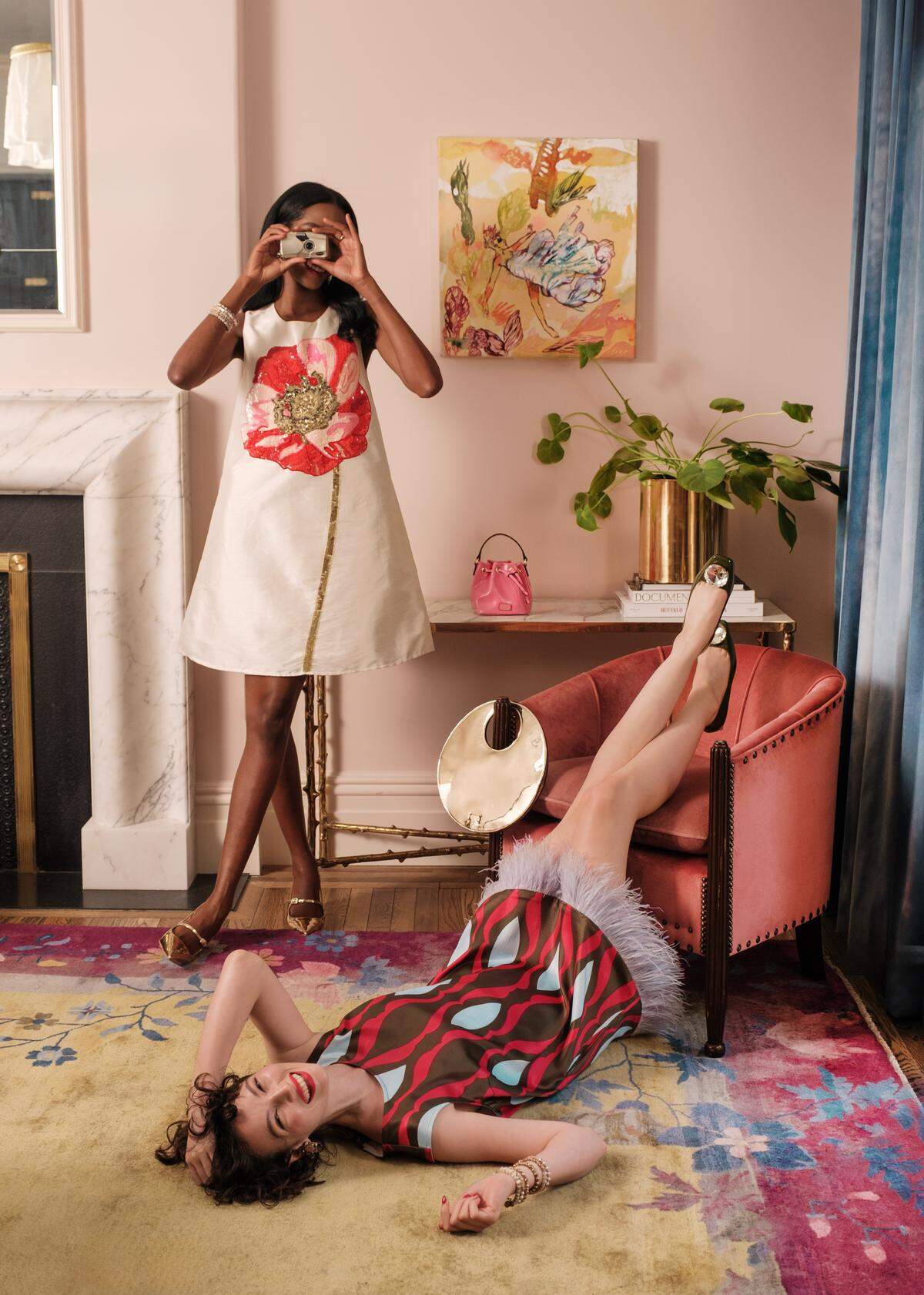
And part of the reason that I think Frances Valentine has been so successful and so popular is that we really — like, I still look to vintage for my inspiration because they’re timeless pieces. They’re not trend driven at all. It’s not going to go out of style in five years or 10 years, and if I go vintage shopping today, you can usually only find like a size 2 or a 4 in anything because people were different body shapes back then . . . when those were being created, and that was sort of the norm, and it is hard to find your size. So we bring those nostalgic silhouettes back in more modern materials and vintage prints and prints that we create and add all those modern components, like pockets in just about everything we make and maybe a little bit of stretch in the material so that is more comfortable, and . . . we also use a lot of merino wool — I love merino in just about everything — and a lot of cotton. So we make those pieces that are timeless and classic so that you have them in your closet today, and you want to reach back in 10 years from now and say, “I love that jacket.” Twenty years from now. And then give it to your daughter.
Did you not think of fashion as a career? Did you really think you were going to go into journalism?
I did. I kind of either thought that I would work at a fashion magazine or . . . perhaps a newspaper or a broadcast station because . . . back then, you thought you picked your major, and that’s what you had to go do.
Then came New York. How did you know you wanted to end up there?
My sister Willow, who’s just two years older than I am, moved here when she was 17 to dance . . . with the Joffrey Ballet School, and so I had been able to come up and take trips to see her, and I fell in love with New York City and the fashion here. And so when I graduated from college, I moved to New York and, you know, beat the pavement. Couldn’t find a job in the fashion industry because you really have to know somebody to get your foot in the door. I finally ended up getting a job as a PR assistant at J.G. Hook, which was kind of (a) preppy fashion company at the time, a precursor maybe to J.Crew, and then I moved on from there to a French company called Girbaud jeans, which were really cool jeans. They were a French jean company that I couldn’t afford in college, but I loved them, and so I ended up doing communications for them, special events, so I traveled all over the United States and the world for that company, and that’s when Katy and Andy Spade called me and said, “Do you want to start this handbag company with us?”
When you were in college, had you and Kate discussed that?
We always wanted to have a business together, you know, once we became really fast friends, we talked about having maybe a retail store that had half vintage, half modern clothes, like modern designers, but we had no money. We were broke, and we didn’t have any experience doing that really.
About what year was it that they called you?
It was about seven years after I moved here, so I guess it was ’92 or ’93. I started there in ’93.
How did you react when they proposed the idea?
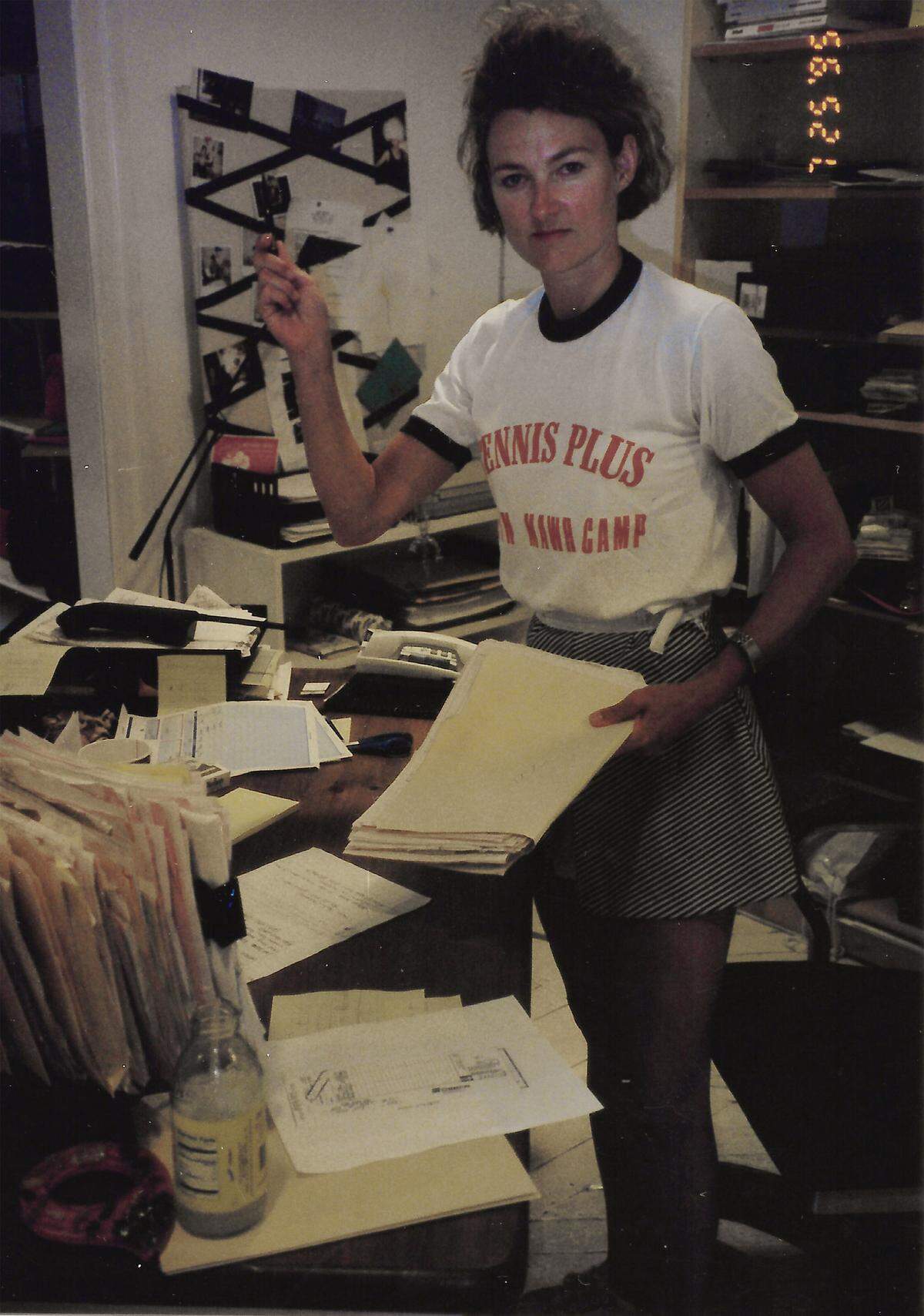
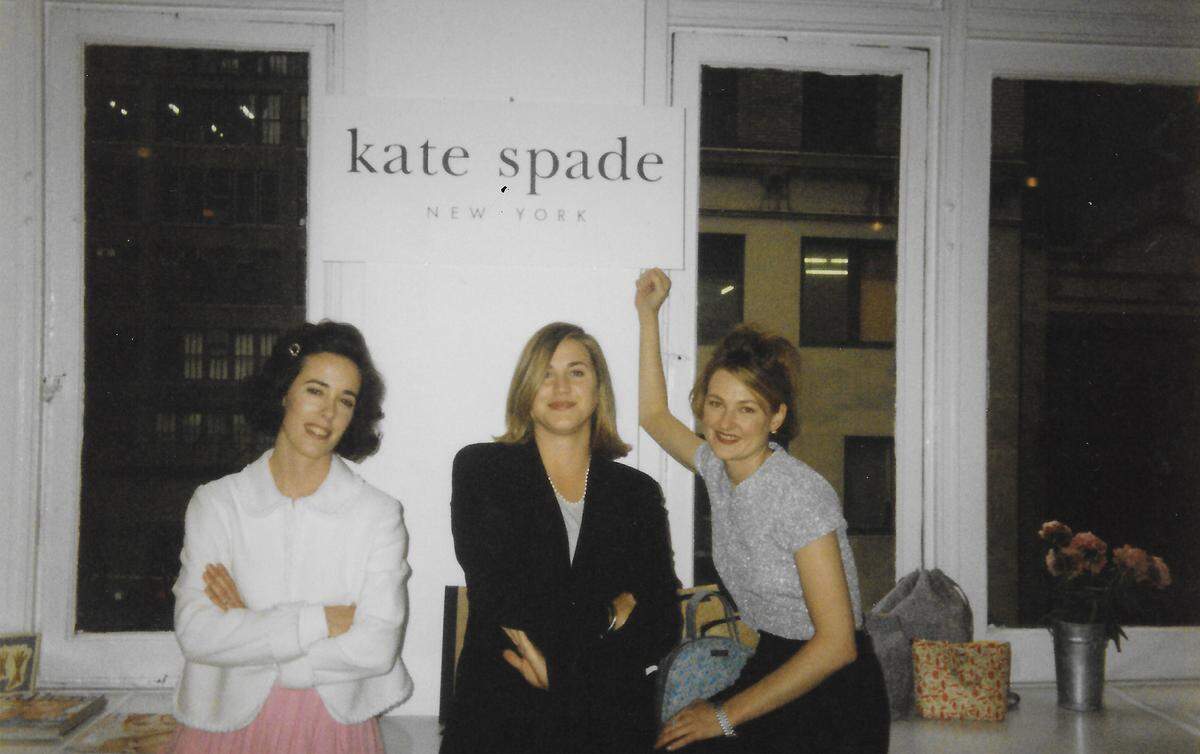
Well, you know at first it was sort of like, what do we know about handbags? But Katy had been an editor at Mademoiselle magazine for years and had been the accessories editor. She was in charge of scarves, jewelry and handbags, and what she realized is there’s a huge void in the market, in the American market at least, for bags that were available for her photo shoots that were kind of middle-market bags. . . . There were these high-end, European leather with a lot of hardware bags, and then there were the L.L. Bean canvas totes, and there wasn’t a whole lot in between. So her idea was to take these sort of geometric shapes, and she cut out construction paper and used tape and created the shapes she wanted and took it to a pattern maker, had patterns made, and then found a sample maker to make samples, and because we couldn’t afford leather back then, we used kind of unexpected materials. Like our . . . first bags were nylon.
Do you still have some of those original bags that you use?
Yes, yes.
How quickly did you graduate to either leather or other materials?
Oh, I’d say probably three or four years we started working in leather, but in the meantime, we used burlap, we used linen, we used seersucker, we used corduroy, and it created this sort of accessible luxury designer handbag that young women, who for the first time were graduating and had their first job, could save up their money and afford their first designer piece. And so it became really less about the bag, although they were adorable, and more about the symbol of their independence as women because it was that first thing that they bought themselves that was special that they earned their own money, and they bought that thing for themselves. I think that’s what really resonates with so many women who still have their first bag today and keep it in their closet, and it’s a treasured item. When I go out on the road for these book events and trunk shows, so many women bring their first bag in, and it just brings tears to my eyes because it makes me so happy that they still have it. It means that much to them.
How quickly was your company successful?
Within the first two or three years. I would say probably the third year we could finally pay ourselves salaries, which was big.
How were you living during that time?
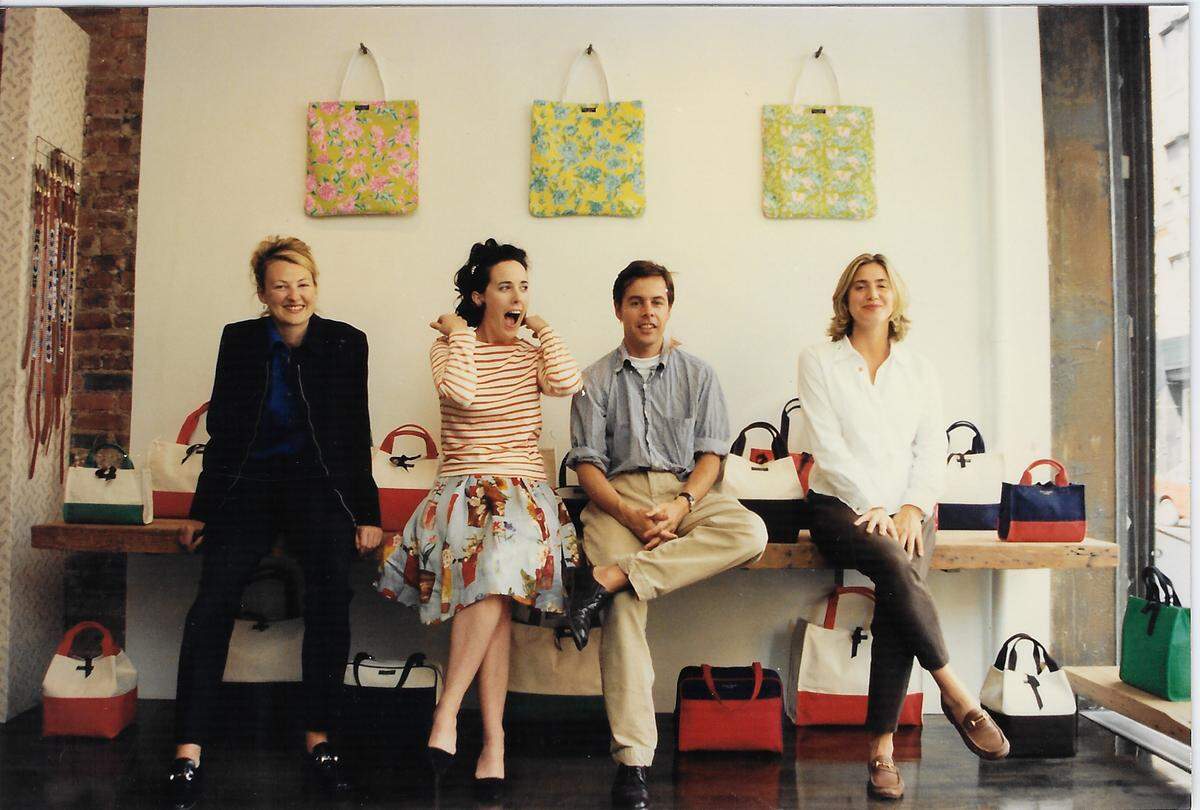
Because I had been working jobs for the last seven years, I had 401(k)s, and I pulled out my 401(k) to pay my rent, and we were broke. . . . There’s no doubt about it, we were broke. But we each took turns. . . . There were four of us as partners, so Pamela Bell was our other partner, Katy and Andy Spade and myself. . . . Pamela had — her husband was a doctor — so, you know, she didn’t have to worry about paying the rent. Andy was still working in advertising, so he was covering their costs, but I didn’t have that luxury. . . . I pulled out my 401(k), and I would also take money out of my credit cards to not only pay my rent but pay our contractor bills every single Friday. We took turns doing it, and so finally, probably . . . end of 1995, we started taking very modest salaries, and then by 1996, we were able to take normal salaries for our experience level.
How long were you both at that company?
We owned the company from 1993 until 2006. We sold it in 2006, and then we departed in June of 2007.
So did your parents know that you were borrowing against your credit card and your 401(k)?
Yes. It was different back then, though. You know, once we were out of the house, we were — and not that my parents didn’t care — but it was just, I don’t know. I felt a responsibility to take care of myself at that point. . . . Really, after college graduation and even during college, I worked full-time to pay for . . . my college.
Wow. And so looking back, would you have done it the same way?
Yes, I would’ve done it exactly the same way, as broke as I felt. At the time when we started the company, and I kept taking money out of my credit cards, I was pretty conscientious about keeping track of my budget all the time, but I had this sense in me that this company was really going to work, and for this time in my life, I was the only one responsible for myself. I had no one else to be responsible for. I didn’t have a dog. I didn’t have children. I didn’t have a spouse. All I had to pay was my rent and my student loans. It was the best time to do it.
So how long did it take to pay all that back to yourself?
Well, not that long really because in year three when we were actually able to take decent salaries . . . the company was able to pay us back for all those loans, and it wasn’t until I want to say 10 years later that I got that letter in the mail from my student loan saying you paid it off, and I was celebrating because it was like every single month, it was hard to come up with that money to pay off my student loans, but I did it.
What would you recommend to some young woman who’s wanting to start a company these days about how to go about it?
I would say get as much experience working for other people you admire and the products that you really like. Get as much experience as you can. Take the receptionist job, take the assistant job, try and do every job within the company. Show up before everybody else in the morning, stay later than everybody else at night and learn every single job you can because when you . . . decide to start your own business, you not only need capital to do it but you’re using that training that you got paid for from another company, and the more you know before you start the better prepared you will be to know about accounting and accounts payable and receivable and all of the things that you have to do on a regular basis to keep your company functioning.
And would you recommend people borrow against their 401(k)s or their credit cards?
Well, I did, but I can’t recommend that for anybody because I would not recommend it to my daughters. . . . Sometimes you have to take risks in life to make things happen and be successful, so that’s up to each individual person . . . if they’re willing to take those risks or not. Some people aren’t comfortable with it. . . . And if you’re not comfortable with it, don’t do it.
As good of friends as you were with Kate, what was it like working together? Did you have problems as business partners that you had to work through?
We had so many laughs together, but we also had knock-down drag-outs. . . . That happens. It happens with friends, and it happens with business partners, and, you know, in the end . . . a night wouldn’t go by with us being angry at each other. We always resolved it within the day. And it was usually about something silly and different ways to go about doing the same thing.
How did you decide to sell your company? Why didn’t you continue to own and run it?
We had been running on that treadmill for 13 years where we were growing so quickly, and we were at the office full time. It felt like we didn’t have much of a social life, but we did, and I wouldn’t trade those years for anything, but it was really full-on work the entire time. . . . Luckily, there were four of us, so we could really cover all bases, and we had a wonderful group of people who we worked with at Kate Spade. . . . We grew year over year. We added licenses so that we were making shoes, stationery, table-top items, bedding, beauty and fragrance. It was really growing rather quickly during all of those years, and we were just there the whole time working and working and working. . . . At that point, I had just had my third child when we sold. . . . I think it was time for all of us to change our focus in our lives and spend more time with our families, and we had taken this . . . tiny little idea and turned it into this great business, and, yes, it would . . . have been great to continue to do it, but I think, you know, our friendships survived and thrived during that time, and it allowed us to move on to other interests that we each had personally.
Like what?
It was really a good time for us to focus on our families and, you know, think about what we wanted to do. And so Katy volunteered with her (daughter’s) school and ran her school store, which, you know, made all sorts of bags and totes and hats. . . . And I became the PA president at my children’s school and then later board chair for many years, and we built a high school, so it was a great time for me and a huge learning experience working . . . for a nonprofit during that time. I really enjoyed it immensely and learned so much, but we both missed fashion.
So what did you do?
We decided to dip our toes back in, and, in 2014, we decided to start Frances Valentine and make just shoes and handbags and — another accessory business — because we . . . really love creating things more than anything else. . . . We launched it in 2016 to the public. It was on Valentine’s Day, of course.
.jpg "FV_Campaign_01 (6).jpg")
You did well, but things had changed, right?
The whole landscape had changed in that short number of years, meaning that e-commerce had really taken over so much business from retail and wholesale, and influencers had taken over so much from editors, and so we had to really shift and learn new things and learn how to really run an e-commerce business and work with influencers more than editors. . . . We were up for the challenge, and things were going great, and in 2018, we lost Katy. It was a really difficult time, a struggle to even know what to do, but I felt for her — to think of her legacy — for her family and for the team at Francis Valentine, we had to keep going. And so as a tribute to Katy, we decided we wanted to make something special, so we pulled out two of her favorite vintage pieces. One with a caftan that she had worn on every vacation we’d ever taken together, and the other was an embroidered sweater that she wore all the time, and we had bought thrifting decades before.
You created new pieces inspired by those items. How did they go over?
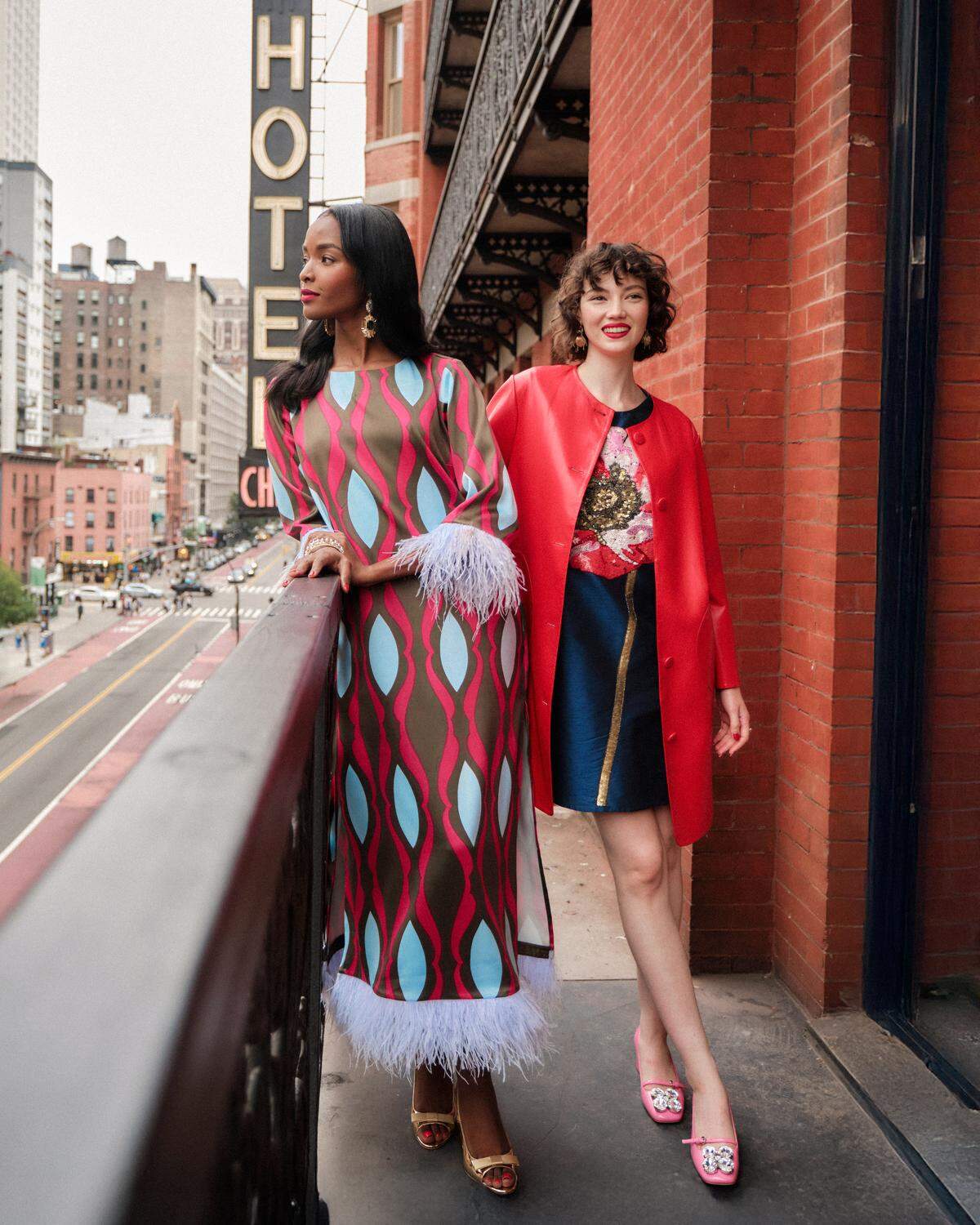
They sold out immediately. We re-ordered them and re-ordered them and re-ordered them, and people started asking for all the pieces we were using in our campaigns for styling, which were our vintage pieces that we collected together over all those years, so we started making swing coats and jackets and cigarette pants and just all sorts of things, and every time we’d make something, it needed a partner. And so cut to today. The majority of our business is apparel, and it’s all based on nostalgic silhouettes. . . . It speaks to timeless pieces but with a real modern sensibility. . . . They’re meant for women who have their own individual style and to feel confident, you know, wearing what she wants to wear.
Let me take a step back here. Why did you call the company Frances Valentine? Wasn’t it your turn to have a company named for you?
That’s what my children say all the time. Yes, but Katy was the designer at the time when we started this business, and although we had sold the name Kate Spade, and we couldn’t use it, we wanted it to relate back to Katy in a way. So we came up with all these names — the names of flowers that we loved, and we came up with a lot of different family names we loved, and some of mine were in there, too, but there were two of her family names, one from her father’s side, which was Frances, and one from her mother’s side, which was Valentine, and it was Andy Spade’s idea to put those together to create your best friend, create that person who makes you laugh harder than anybody else or that favorite aunt you have and this woman with really great, chic style, so in essence Frances Valentine was who Katy and I were to each other, and that’s why we named the company that. And it related back to her in a way that was personal, and yet it was for both of us.
So when she died, did any part of you consider not moving forward with the company?
Yes, yes, I did. I did. I thought how can we go on without her? And, you know, the team at the office had worked so hard to get the company up and running, and it was really showing signs of success and growth, and, you know, I thought about it a lot, and I thought what Katy would have really wanted, and I know she wouldn’t have wanted us to quit. I know she would have wanted us to keep going, and that’s what we did.
I’m embarrassed to say I really found out about your company only once I saw that TikTok on your house.
(Laughing.) That’s OK.
In my mind — I mean, clearly I don’t know that much about fashion, obviously — but in my mind, I thought, oh, this lady had that TikTok, and she got popular, and so now she’s doing these get-dressed-with-me videos. However, I’m now guessing you’d already been doing those for quite some time. Is that right?
Yes. So if you look on my Instagram or Frances Valentine Instagram and TikTok, I do them every day, and there’s a pretty big following for Outfit of the Day, and I can mix my vintage pieces, my Frances Valentine pieces and really show how I’m styling an outfit. I think a lot of people really enjoy that because it gives them confidence to wear what they have in their closet and mix things together in a way that maybe they wouldn’t have thought about it before.
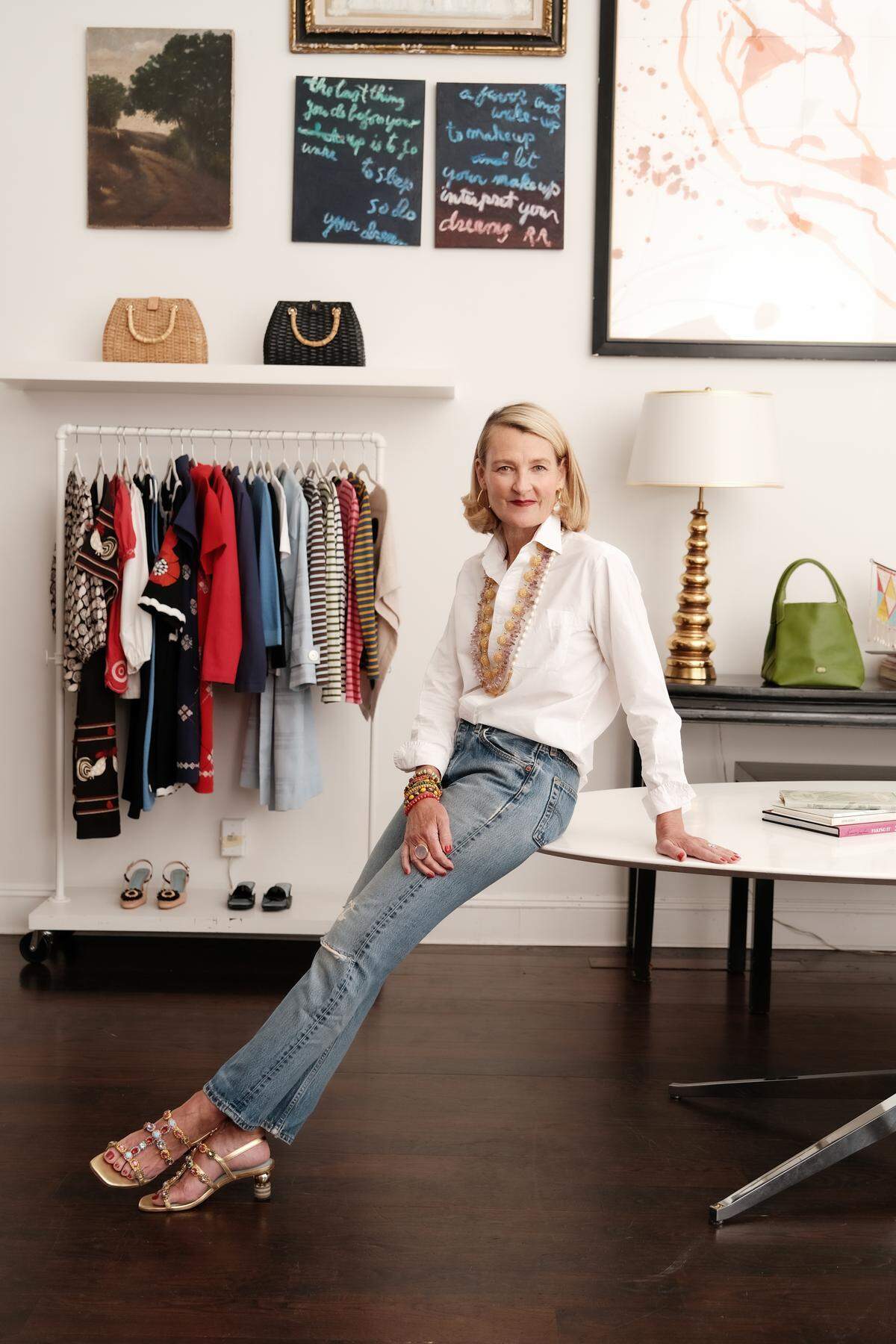
Well, unfortunately, that’s not what I think when I watch those videos. I look and think, well, of course she looks great. Look at those legs. I can’t pull that off.
(Laughing.) There’s a lot for everyone to feel really great every day, and it’s my mantra: Wear what makes you happy. So even if you wore a caftan every single day of your life, make it colorful and make it happy because every time you walk by the mirror, you’re going to smile, and you’ll be surprised how many compliments you get every single day when you feel good in what you’re wearing.
.jpg "ElyceHeadshot1_Photo Credit Adam Ward (1).jpg")
Right. So do you ever have days that you just, I mean, slob out? Do you ever even run to the store not completely put together?
I used to do that, and in fact last Sunday, I just threw on sort of my boyfriend khakis and a really great striped T-shirt that I own, and I didn’t put any makeup on or anything, and my hair didn’t look that great, and I didn’t feel great all day, and so I think I’m doing it as much for myself as anyone who I run into that day because I feel so much better when I’m set for the day. So I tend to get up in the morning, and I don’t really wear much makeup, but just putting that little bit on even if it’s my tinted moisturizer, my lipstick and my mascara and just running a comb through your hair and making it a little bit interesting that day, whatever else you put on, you’re going to feel like a million bucks.
For me, the advent of social media has helped in some ways, but it’s also made my life exponentially more difficult, so I’m wondering for you, since the landscape had changed so much since you were last in business, do you like it these days? Do you feel you can be even more creative, or is it a giant headache having to keep up with so many influencers and doing these videos every day, etc. etc.?
Once you get used to doing it, it becomes part of your routine, and I actually now enjoy . . . styling those outfits every single morning, knowing that there are so many women out there who will enjoy a particular thing, and so I’ve kind of gotten into it, and I really like it. I have to say, I think social media can take up a lot of your time if you allow it to, but . . . for me, there’s a way to participate and to get what I enjoy out of it but not be totally consumed by it. . . . I’m still a newspaper reader, I’m still a magazine reader, and . . . I like social media, so I feel like you can take the good, and, you know, leave the stuff that you’re not interested in.
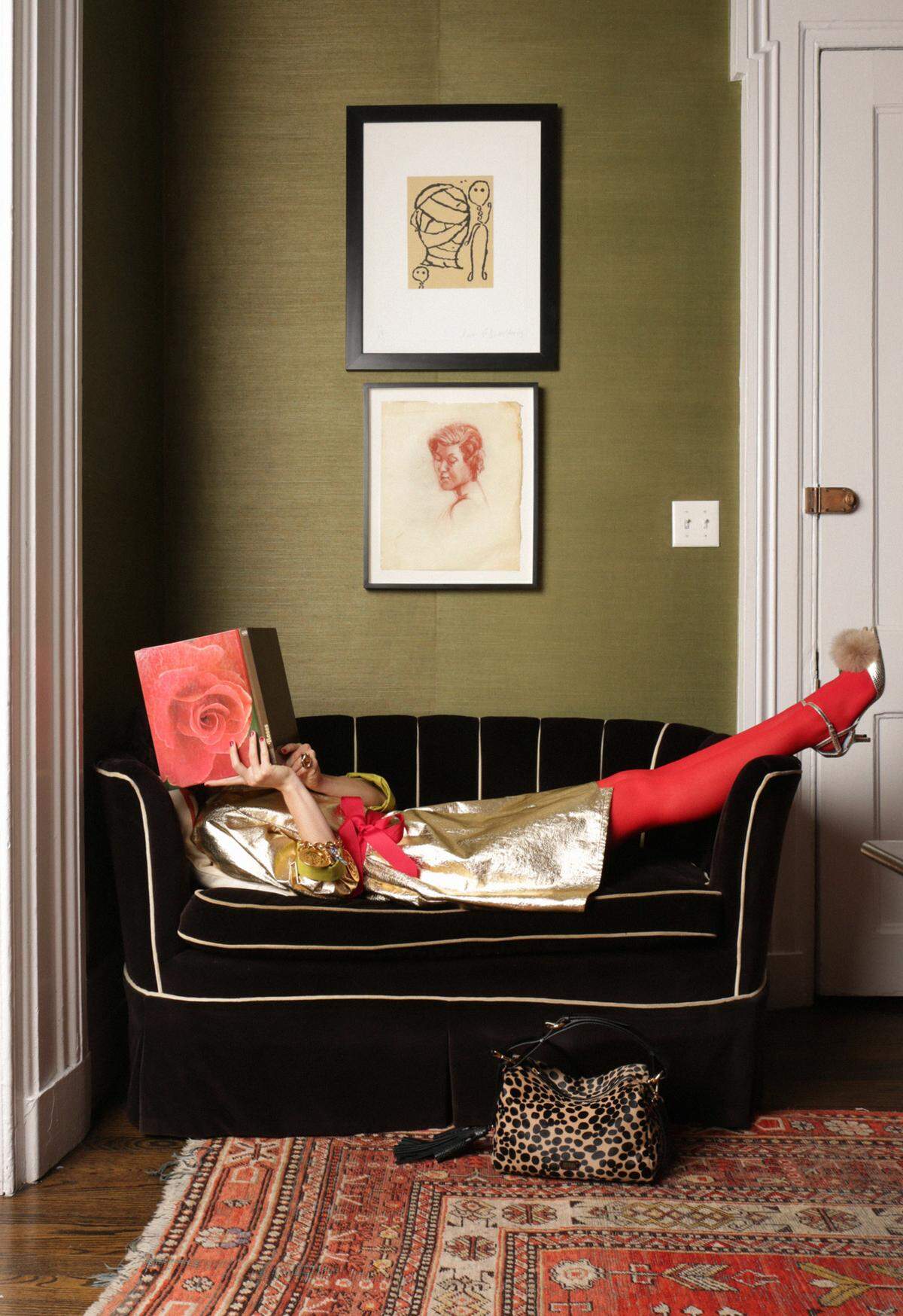
How do you feel about working with influencers versus, you know, the top editors at magazines.
I find it’s very similar in so many ways. They are styling outfits and . . . they each have their own point of view, and it’s kind of like that as a magazine editor, so, you know, we work with both of them now because they both exist, and a lot of magazine editors have become influencers now. . . . We really work with them in the same way.
What’s next for you? What’s still left for you to conquer either personally or professionally?
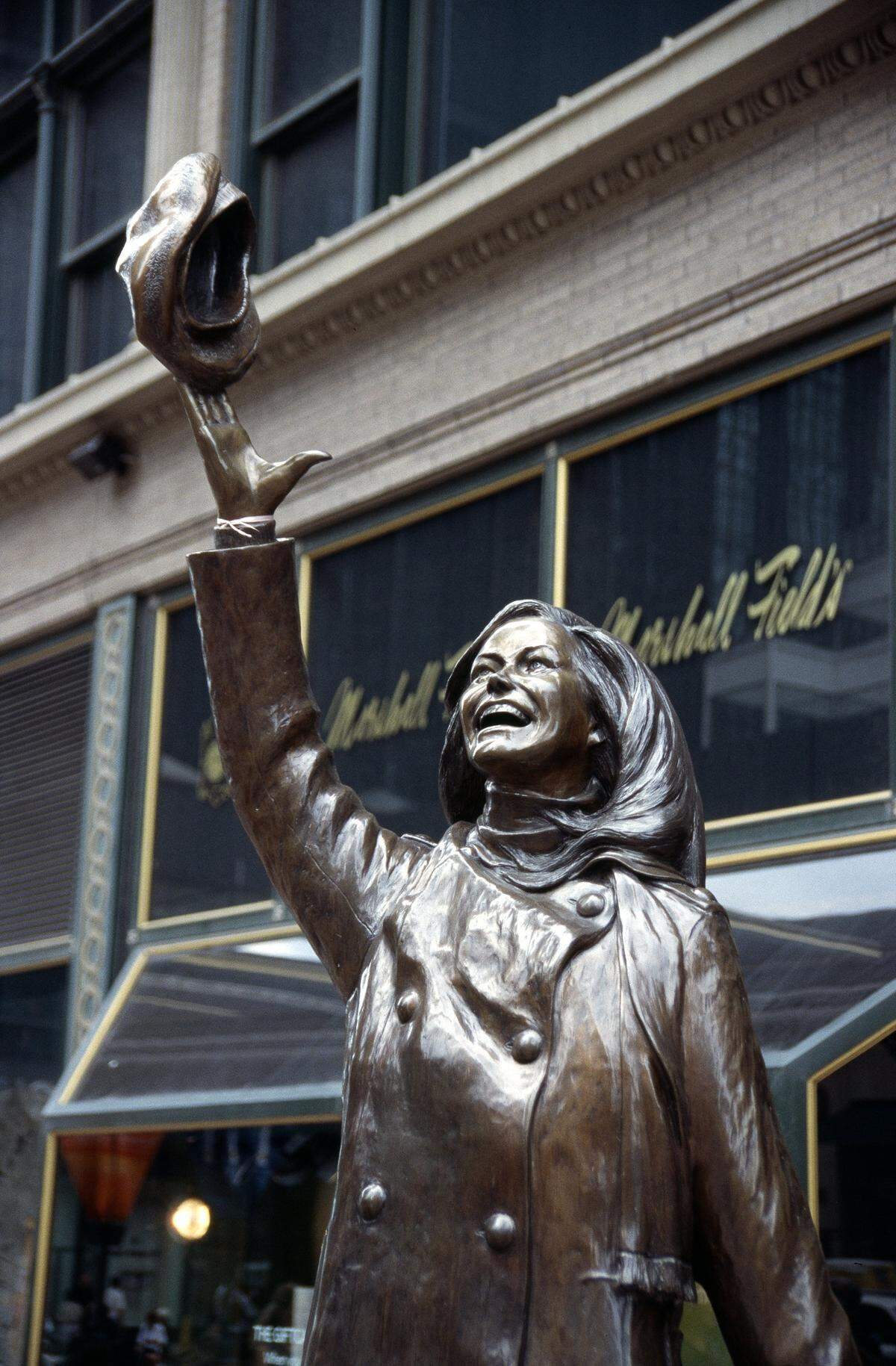
Well, so you see the title of the book is “We Might Just Make It After All.” . . . I don’t know if you were born in the same era as I was or not, but that title means something. . . . It was inspired by the theme song to “The Mary Tyler Moore Show” because Mary was an inspiration for Katy and me to go to journalism school and then really as a modern, confident woman who had great style and, you know, made a place for herself in a male-dominated field. . . . We met Mary at Kate Spade many years later when she wanted to come and see the bags, and she couldn’t have been more lovely or gracious and exactly like the character Mary Richards, and so I’ve always just had a true adoration for her.
%20(1).JPG "MARY TYLER MOORE SHOW(2) (1).JPG")
Did you tell her that she was sort of your hero?
Oh, absolutely. . . . When I could get the words out of my mouth, yes. . . . You know, we lost Mary about eight years ago, and about eight or nine months ago the Mary Tyler Moore Vision Initiative called us, and they were interested in having a Zoom, so on the Zoom with them — explaining how much she’s been important in my life and such an icon to me — and I held up a copy of the galley of the book because it hadn’t come out yet, and they said, “We know. We saw you holding this book up, and we knew it was meant to be that we called you. We’ve been watching your company for quite some time now. We really feel like your clothing evokes Mary Richards and Mary Tyler Moore,” and so we are working on a capsule collection with the Mary Tyler Moore foundation for fall 2026. We will have clothing, footwear and handbags that are . . . very much in the style of Mary Richards and Laura Petrie.
That’s awesome.
Her husband . . . Dr. Robert Levine had given us a lot of Mary’s clothes so that we could find a home for them. They’re her clothes from the ’90s and 2000s, so they’re not the style in which we’re going to . . . base our capsule collection, but we’re trying to find the right home for them, and we’re thinking maybe the Smithsonian is the right place, but when I was packing up the clothes in her home in Greenwich, Connecticut, her husband . . . walked up to me and handed me an envelope and said, “I can’t give this to you for good, but I’m giving it to you right now for safekeeping,” and it was the hat she threw up in the air.
Oh, my gosh, in the opening credits on “Mary Tyler Moore”!
I know. So I’ve got the hat right now, and that’s going to be part of that capsule collection. . . . The hat, a peacoat, etc., so there was a whole article in the New York Times (Oct. 1) on the cover of the Style section about this whole collaboration that we’re doing. That’s what’s next, and that’s what I’m really excited about.
Anything personally also on your list?
I know this doesn’t sound personal, but I’ve been on these book tours for the last several months, and I’ll continue to do them through the fall and then all of next year. I have really, really enjoyed meeting all these women and hearing their stories about their first Kate Spade bags, their first Frances Valentine pieces and what it means to them, and it’s been such a joy to me, and I’m so grateful that they are willing to come and drive long distances or stand in line to come and tell me their stories. I really, really enjoyed that so much. I’m not taking a vacation really till the holidays this year, so we’re going full bore, and I’ll be able to talk about vacation finally next year.
Speaking of your book tour, I have some friends who saw you in Lawrence just recently and . . .
Yes! Oh my gosh. . . . We had such a blast! I’m sorry, go ahead. What was your question?
No, go ahead and tell me about it. I’d love to hear. Why was it so fun?
I had just been in Washington, D.C. to receive the award of . . . Kansan of the Year about two weeks before, and the chancellor had invited me to come and speak at KU, and, of course, they had a full day of events. I felt like I was in a parade, you know, being held up on elephants. It was just the best day. It was so wonderful, and I in fact spent the whole weekend there . . . where I spoke to three different groups of . . . people: with students and then students and parents and faculty and then a private party for KU donors that evening . . . and then a lot of stuff all during the day. I got private tours of the whole campus and the athletics facilities, which I haven’t been in for 42 years, which was amazing, and then I got to go to the game the next day at the new stadium. . . . The chancellor took me down to the field, so I got to watch the football players run on. I got to see the marching band and the cheerleaders and take a bunch of photos down there, and then I went to the Wheel afterwards with a bunch of my sorority sisters and then the next day — I’m a Chi Omega — the next day we had our hundred-year celebration of our sorority house on KU campus right at the fountain where we celebrated that, so I had a full wonderful weekend at the University of Kansas.
OK, so I have to ask — and I think we’re already over our time, so I appreciate you continuing to talk to me.
Certainly.
But I’ve always wondered when I’ve seen Caleb Simpson’s tours of people’s homes in New York, clearly those are staged, right?
Most of the time they are not, although . . . we did converse with them before, but he knew nothing about me, and all they want to know is, “Are you going to be home this day, and are you OK with this?”
Gotcha.
And so I hadn’t met him, I hadn’t spoken to him. . . . They’re truly authentic, and I think so many, like, probably 90% to 95% of those are real. Like, he’s just walking up to people on the street because they know who he is.
So when I do these kinds of Q&As, I always end by asking what’s one thing no one knows about you? Just to help you out with an example: Once I was interviewing a doctor, and she said, “No one knows I actually hate vegetables.”
One . . . that most of my friends probably wouldn’t know in New York is that I was in debate and forensics all through high school and part of Model UN. Not very interesting, though, is it?
I think we can do better. OK, how about what’s the worst fashion faux pas you’ve ever made?
Oh, well, we didn’t make it, but I would never make a fanny pack.
Ha ha ha.
We . . . did neon bags that Bendel’s had requested we do for them, and we didn’t want to do it, and they said, “Well, we’re not going . . . to order from you if you don’t make these neon bags for us.” It was pink, yellow and green neon bags that were hideous, and we made them anyway, and we really regretted it.
Huh, interesting. So are you going to be coming to Wichita or even Newton at some point on your tour?
I would like to. I’ve got to put it on . . . the calendar hopefully for next year sometime. It’s on my wish list for sure.