Wichita documentary to chronicle ‘the biggest rap group that didn’t make it’
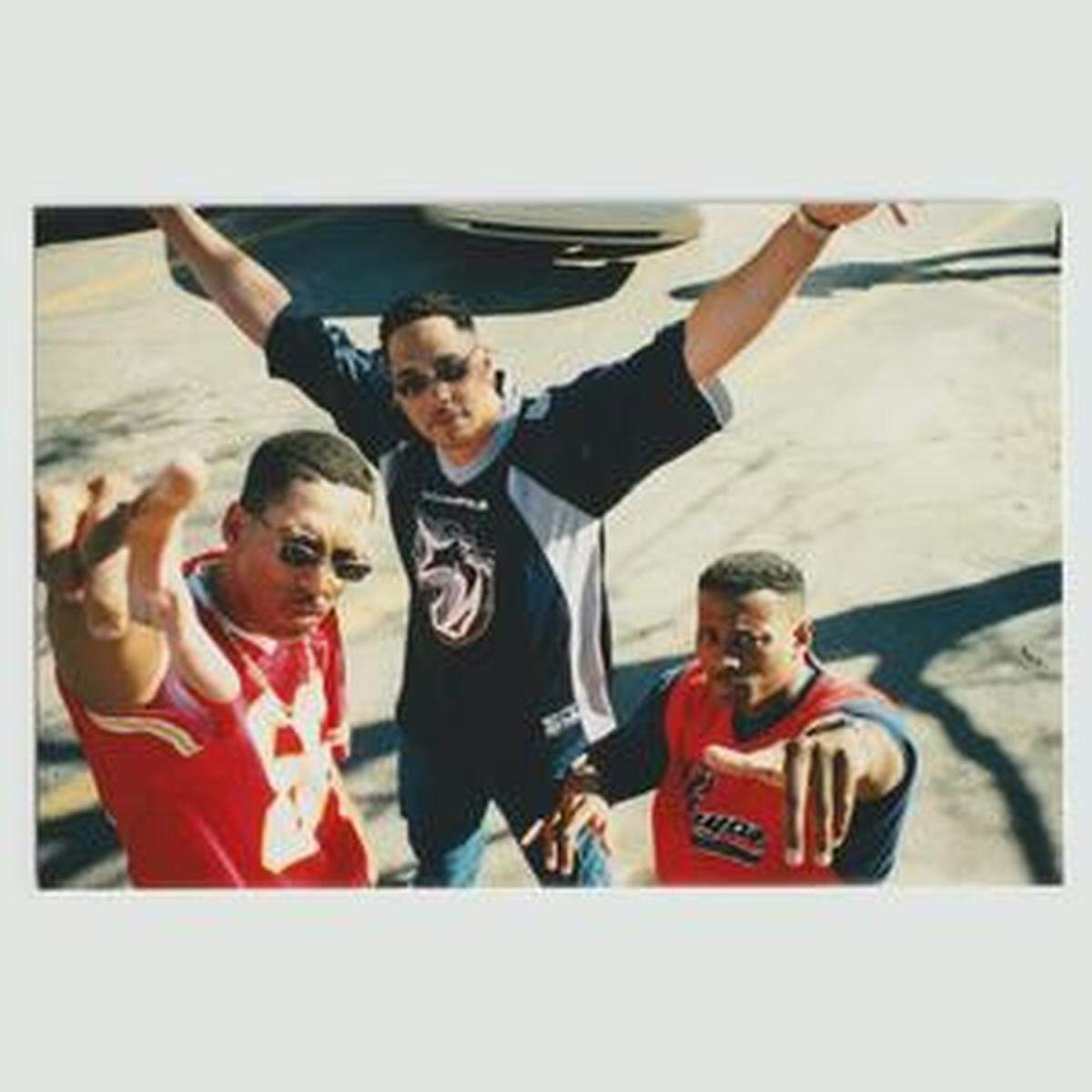
In the 1990s, a Wichita hip-hop group called Danoiz almost made it big through a distribution deal with Sony and some national attention, such as play on BET.
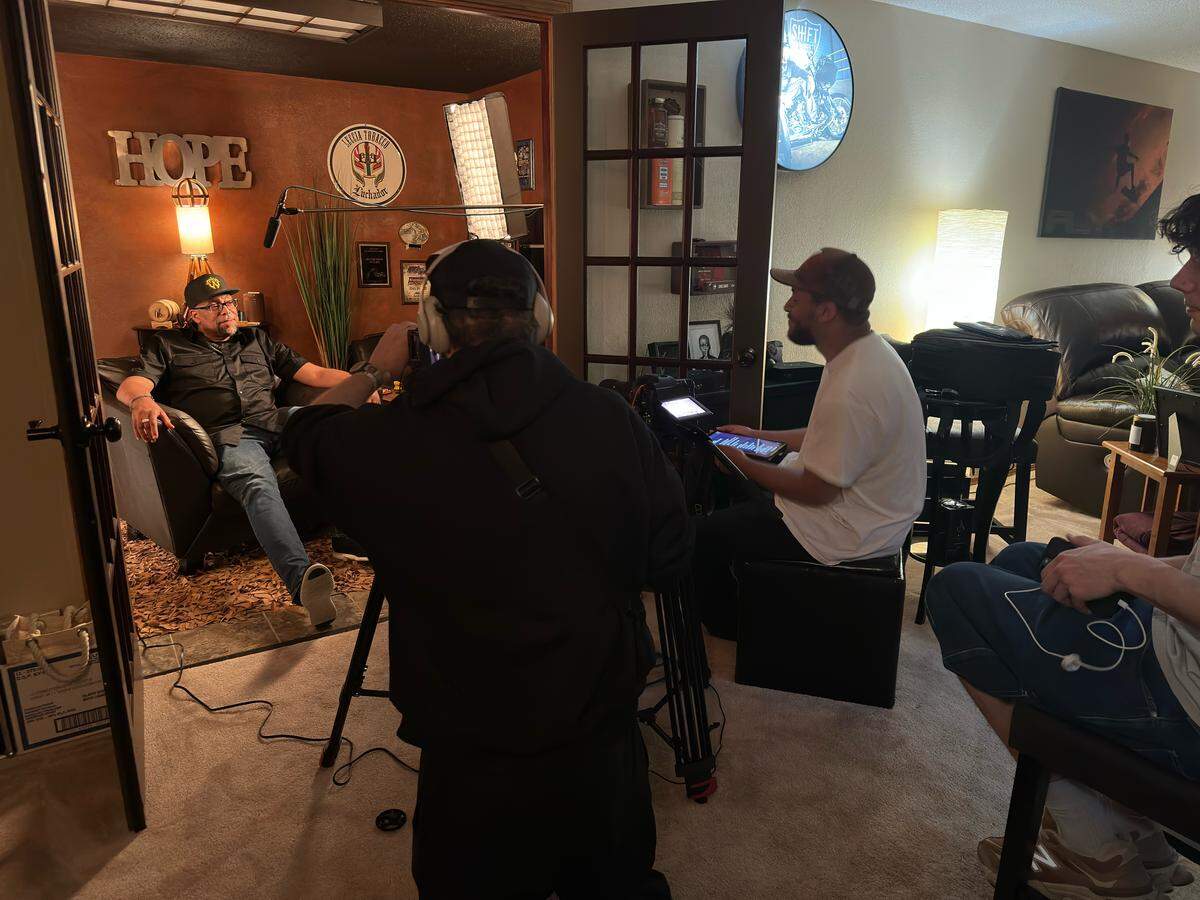
Now, two video producers are going to tell the group’s story through a documentary called “The Madwest Theory: A Danoiz Documentary.”
“We’ve known about this group for years because one of them just happens to be my father,” said Caleb Carnell.
The group includes his father, Keith “K-Swiss” Hope, who designs tools to make helicopters; his uncle, band producer Ed “Maestro” Hope, who has an audio-visual company; and Kerry “King Dunn” Dunn, who is a real estate agent.
“They were probably the first hip-hop group to be put in a rotation here on radio stations.”
Carnell’s co-director, Maximum James, first came to him with the idea for the documentary a decade ago, but Carnell said the band hadn’t had its full-circle moment yet.
“Another reason is we were, like, 15.”
Danoiz — a play on the noise — is playing again “not for any other reason than loving the art form and expressing themselves,” Carnell said. “Once we found out they were making music together again . . . we were like OK, this is a full circle now. It’s time to start filming.”
In the documentary, Ed Hope said Danoiz was “the biggest rap group that didn’t make it.”
“The Madwest Theory” explores the influence a hip-hop group from the Midwest can have.
Carnell said Hope explained that “we weren’t trying to compete with the people on the next block, we were trying to compete with people on the next coast.”
“They dissolved and kind of realized that their family and the bond that they had was more important than ever making a huge success,” Carnell said.
He said he doesn’t want to say too much and give away the story, but his father “didn’t want to give up what he needed to give up to be successful.”
Carnell said he and James also wanted to showcase the rap scene in Wichita from that time.
“There’s people who were doing stuff out of the norm here and were making strides to be successful artists.”
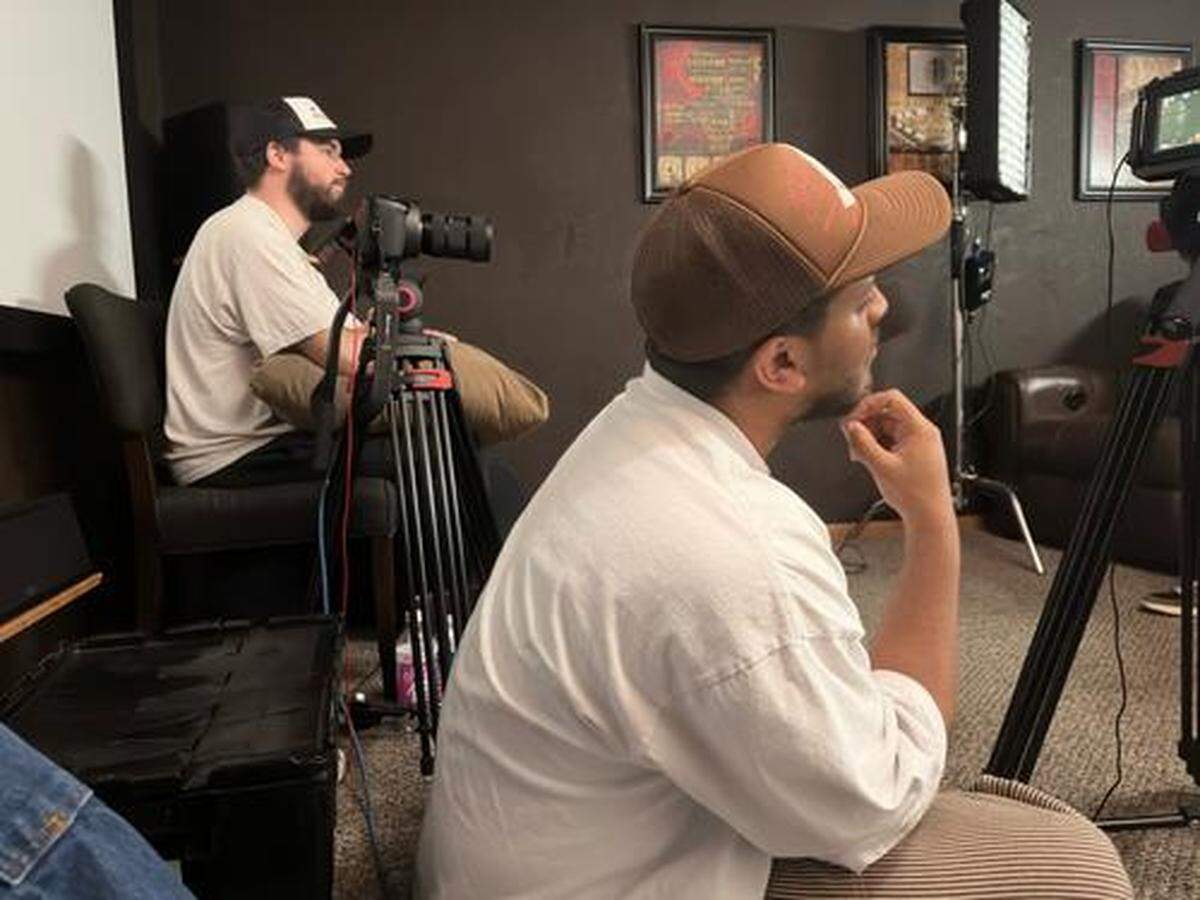
In addition to showing the documentary locally once it’s done, which likely will be early 2027, Carnell and James hope to enter it in film festivals nationally.
“We will be looking for distribution and putting it on streaming services.”
They’ve also launched a Kickstarter to raise money to digitize old Danoiz videos and a 30-second commercial the group did, and they hope to use animation in the documentary. If that doesn’t work, they’ll need money to re-enact some parts of the story.
Though it would be great to eventually make some money on the project, Carnell said, “This is more a super-duper passion project.”
He said he and his brother used to listen to their father freestyle on road trips, so he said to hear his dad lay down some lyrics over a beat more recently was a wonderful thing to experience.
“I felt like that little kid in the back seat of his truck,” Carnell said. “It’s beautiful to see him take on this hobby again.”